How to Create an Effective Personal Budget: Practical Tips for Beginners
The Journey Towards Financial Stability
Managing your finances can often feel overwhelming, especially if you’re just starting. The key to achieving financial stability lies in understanding how to create an effective personal budget. By establishing a structured plan, you will gain clarity on your money inflow and outflow. In Canada, with its unique economic landscape, creating a personalised budget is not just beneficial, but essential for both short-term comfort and long-term security.
Track Your Income
Tracking your income forms the foundation of any successful budgeting strategy. It’s crucial to know exactly how much money you bring in each month, which includes your salary, bonuses, and any side hustles or investment incomes. For instance, if you’re a professional in the tech industry earning a monthly salary of CAD 5,000, it’s essential to calculate your gross income along with any deductions for taxes that might lower your take-home pay. This step gives you a clear understanding of your financial resources and helps maintain transparency regarding your overall financial situation.
Identify Your Expenses
Once you’ve established your income, the next step is to identify your expenses. This involves categorizing your spending into fixed expenses—like rent or mortgage payments, utilities, and insurance—and variable expenses—such as groceries, dining out, and entertainment. For example, in cities like Toronto or Vancouver where the cost of living is high, rent can consume a significant portion of your budget. By understanding where your money goes, you can pinpoint areas for potential savings. Keeping a spending journal or using budgeting apps can greatly assist in this process.
Set Realistic Goals
Defining both short-term and long-term financial goals is vital for motivating and guiding your budgeting efforts. Short-term goals might include saving for a vacation or building an emergency fund, while long-term goals could be saving for retirement or paying off your mortgage. Setting these goals allows you to channel your resources effectively. For instance, if your goal is to save CAD 10,000 for a car within the next two years, you could break it down into monthly savings of approximately CAD 416. This kind of structured approach not only makes your financial plans more tangible but also helps keep you accountable.
The Essence of Budgeting
A personal budget is not just about restricting spending; it’s about making informed choices regarding your finances. It helps you prioritize your needs and wants, ensuring that you can enjoy life while saving for future goals. In Canada, where healthcare costs vary by province and the housing market can be unpredictable, tailoring your budget to reflect these realities is crucial. For instance, in provinces with higher tax rates, you may want to allocate more towards your tax expenses to avoid surprises during tax season.
Practical Tips for Financial Empowerment
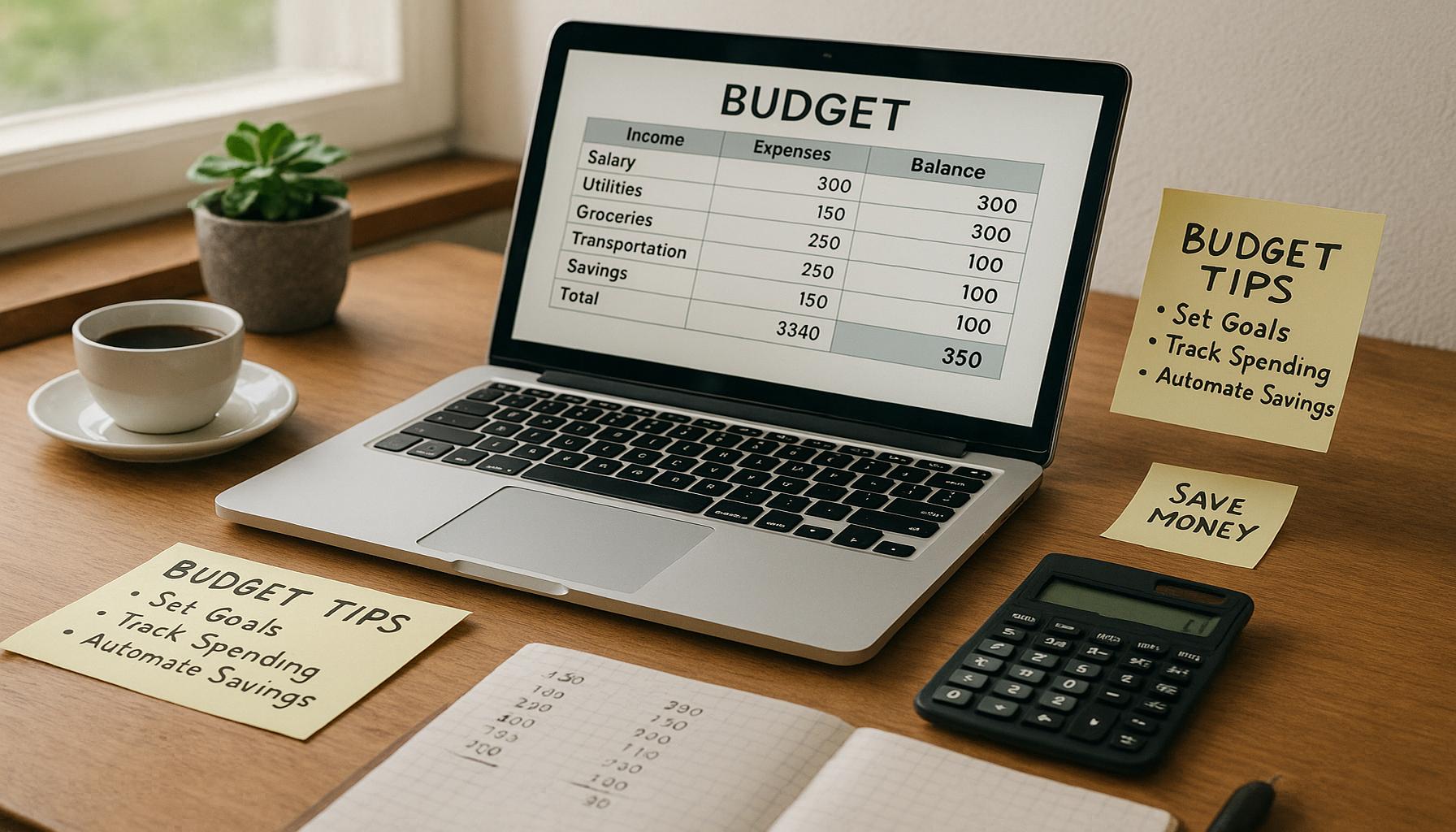
Implementing a structured budgeting system can empower you to take control of your finances and build a sustainable future. Consider setting up a separate savings account specifically for your financial goals. This way, you can ensure that money meant for savings does not get spent inadvertently. Additionally, reviewing your budget regularly can help you stay on track and adjust for changing circumstances, such as a new job or increased expenses.
Whether you are saving for a new car, planning a vacation, or preparing for retirement, understanding the basics of budgeting is indeed a crucial first step. As you embark on this journey, remember that financial stability doesn’t happen overnight; it requires patience, dedication, and a willingness to adapt. By employing these strategies, you can create a robust financial roadmap that not only meets your immediate needs but also paves the way toward a secure financial future.
DISCOVER MORE: Click here for detailed information
Understanding the Core Components of Your Budget
The path to creating an effective personal budget begins with understanding its core components. Just like any robust system, a budget requires a stable foundation built on accurate information. By focusing on key areas, you can develop a budget that not only meets your current needs but also helps you prepare for future financial goals.
Choose a Budgeting Method
Before diving into the numbers, it’s important to choose a budgeting method that suits your lifestyle. Several strategies cater to different financial personalities, allowing you to manage your money effectively. Here are a few popular methods to consider:
- Zero-Based Budgeting: Every dollar you earn is assigned a specific purpose, resulting in a net income of zero at the end of the month.
- 50/30/20 Rule: Allocate 50% of your income to needs, 30% to wants, and 20% to savings and debt repayment.
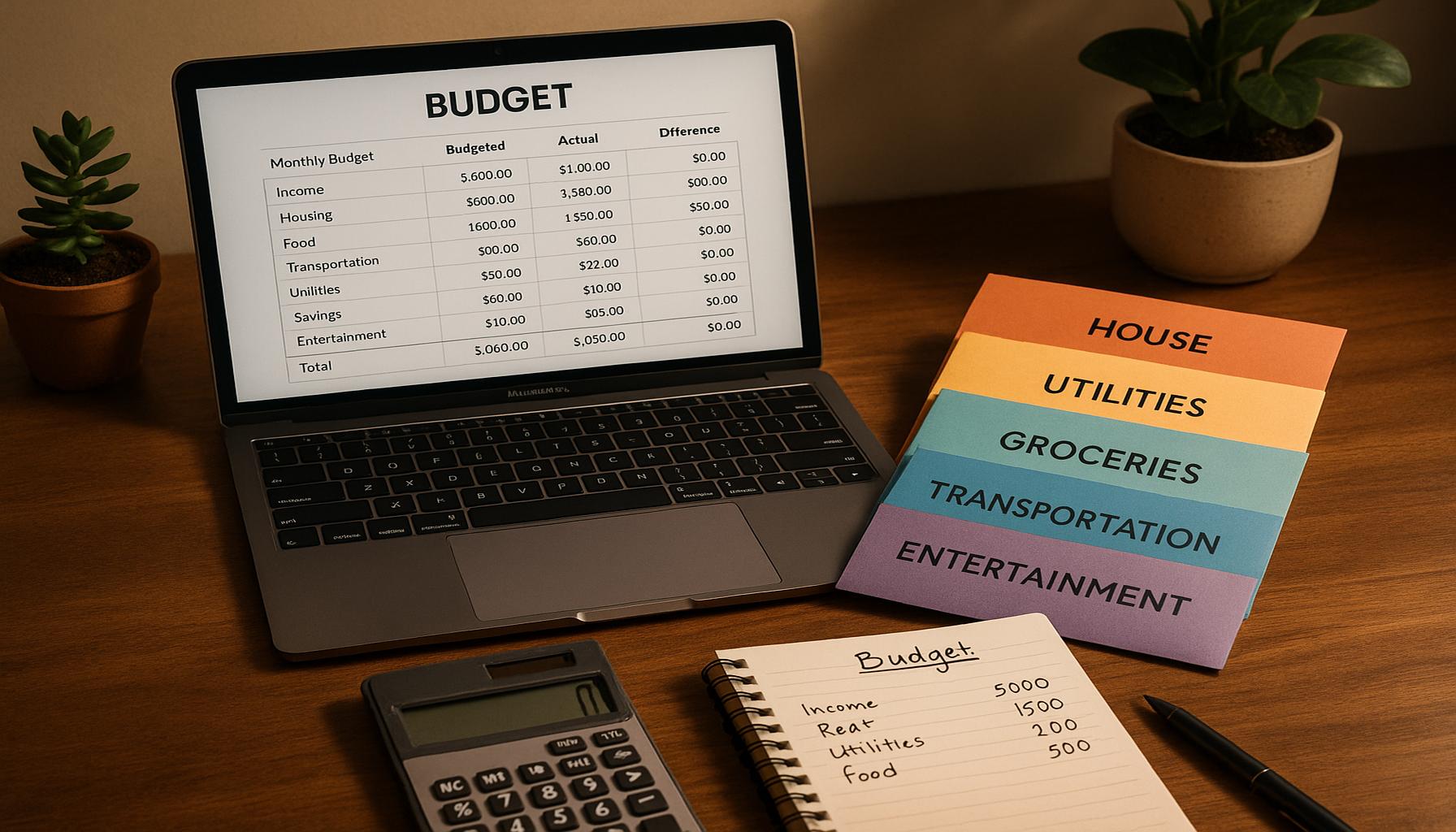
- Envelope System: Cash-based system where you use envelopes for different spending categories to limit overspending.
Choosing a method that resonates with you is essential to fostering discipline and accountability. If you find a particular approach appealing, experiment with it for a month or two to see how well it aligns with your financial behaviours.
Establish a Budgeting Schedule
Creating a budget is not a one-time event; it’s an ongoing process. To ensure you stay on top of your finances, establish a budgeting schedule. This could involve checking in on your budget weekly, bi-weekly, or monthly, depending on your preferences and financial situation. Regularly scheduled reviews can help to identify trends in your spending and ensure that you’re on target to meet your goals.
Utilize Technology for Assistance
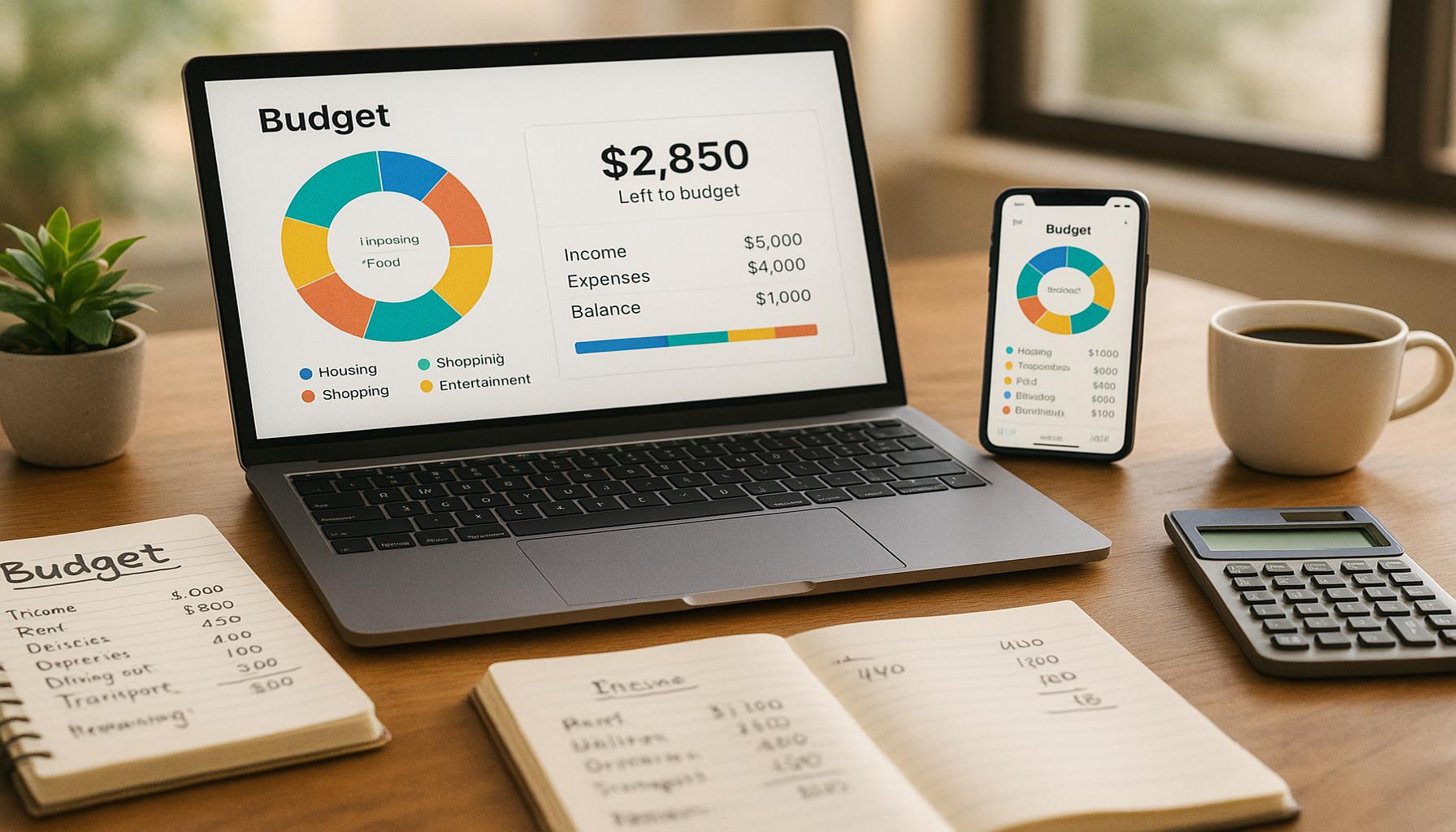
In today’s digital age, leveraging technology can simplify the budgeting process significantly. Numerous apps and tools are available that help you monitor your income and expenses seamlessly. Apps like Mint or YNAB (You Need A Budget) enable you to categorize your transactions, set goals, and visualize your spending habits. For those who prefer to keep it traditional, spread sheets can also be effective in maintaining control over your finances. The objective is to find a method that keeps you engaged and accountable.
Incorporate Flexibility
Life is unpredictable; therefore, your budget should reflect that reality. Incorporating flexibility into your budgeting plan allows you to adjust your spending without derailing your entire strategy. Set aside a small buffer in your budget for unexpected expenses, such as car repairs or medical bills. Additionally, when using your budgeting method, if you find certain categories consistently overspending, reassess and adjust the respective allocations rather than sticking rigidly to the original plan.
An effective personal budget is not merely a tool for tracking expenses; it serves as a roadmap tailored to your individual financial journey. By understanding and implementing these initial tips, you empower yourself with the clarity and control needed to navigate your financial future. As you proceed, remember that patience is key; mastering your budget takes time, but the benefits are significant in paving the way to financial freedom.
DISCOVER MORE: Click here for detailed information
Tracking and Adjusting Your Spending
Once you’ve established a budgeting method and schedule, the next crucial step in creating an effective personal budget is tracking your spending. Monitoring your transactions diligently allows you to understand where your money is going and helps identify any patterns that may require adjustment. This process is essential in maintaining control over your finances and ensuring that your budget aligns with your financial goals.
Keep Detailed Records
To get started on tracking your spending, keep detailed records of every expense. While some may prefer a pen-and-paper approach, leveraging technology can make this task simpler. Using budgeting apps that syncronize with your bank accounts can automatically track your spending, categorize expenses, and provide insightful analytics. If you prefer manual tracking, consider creating a spreadsheet that includes columns for date, description, amount, and category. Having this detailed view in front of you ensures that no expenditure goes unnoticed.
Review Your Transactions Regularly
Set aside time weekly to review your transactions. During these sessions, assess each category and compare actual spending against what you budgeted. This practice not only creates accountability but also provides a space to identify any overspending triggers. For instance, you may notice that you consistently spend more on dining out than planned. Recognizing these trends allows for timely adjustments before they spiral out of control.
Adjust Your Budget as Needed
Your financial situation is likely to evolve over time, and your budget should reflect these changes. Adjust your budget to account for increased expenses, income changes, or new financial goals. If you receive a raise or a bonus, consider allocating a portion of that increase toward your savings or paying down debt. Moreover, if a particular category requires more funds, don’t hesitate to reallocate from areas where you might be overspent.
Incorporate Savings into Your Budget
Every effective budget encompasses a savings component. One practical strategy is to treat savings as a non-negotiable expense. During your initial budgeting process, allocate a specific percentage of your income to savings, aiming for at least 20% if possible. This could include setting up automatic transfers to a savings account or an investment account right after your paycheck is deposited. By prioritizing savings, you’re essentially paying yourself first, which helps to build a financial cushion for emergencies or future goals.
Account for Seasonal Expenses
As a Canadian, it’s also important to account for seasonal expenses that can impact your budget significantly. For example, winter brings heating bills and holiday shopping, while summer may involve vacations or outdoor recreational activities. Planning for these predictable but often overlooked expenses allows you to allocate funds appropriately throughout the year. By anticipating these variations, you can adjust your typical monthly spending to prevent financial strain during peak seasons.
A personal budget is a living document that grows and evolves alongside your financial journey. By diligently tracking your spending, regularly reviewing your expenses, adjusting your allocation as necessary, and incorporating savings, you’re positioning yourself to achieve not only budgeting success but also greater financial stability in the long run. Remember that the aim is not to restrict yourself; rather, it’s to enable greater freedom by managing your finances effectively.
DISCOVER MORE: Click here for details
Conclusion
Creating an effective personal budget is an empowering journey that enables you to take charge of your financial future. By following the practical tips outlined in this article, you can establish a structured approach to managing your money. Start by determining your financial goals, which will serve as the guiding principles for your budget. Remember that budgeting is not a one-time activity; it is an ongoing process that requires regular attention and adaptations.
The importance of tracking your spending cannot be overstated, as it provides you with valuable insights into your financial habits. Through diligent record-keeping and weekly reviews, you can make informed decisions about adjusting spending categories and reallocate your resources as necessary. By treating savings as a fundamental part of your budget, you are not just preparing for unexpected expenses but also paving the way for your future aspirations.
Moreover, addressing seasonal expenses ensures that you remain prepared for financial fluctuations throughout the year. Embrace the concept of budgeting as a tool that enhances your lifestyle rather than limits it. The ultimate goal is to achieve financial stability and peace of mind, allowing you to enjoy life without the constant worry of your finances. By taking these steps and approaching budgeting with flexibility and positivity, you will cultivate habits that contribute to a brighter financial future.
In conclusion, a well-crafted personal budget is a stepping stone towards financial independence. Embrace the journey, stay proactive, and watch as your financial situation transforms for the better.

Linda Carter
Linda Carter is a writer and financial expert specializing in personal finance and financial planning. With extensive experience helping individuals achieve financial stability and make informed decisions, Linda shares her knowledge on our platform. Her goal is to empower readers with practical advice and strategies for financial success.