
Technical Analysis vs. Fundamental Analysis: Which Strategy is Best for the Canadian Investor?
Understanding Investment Strategies
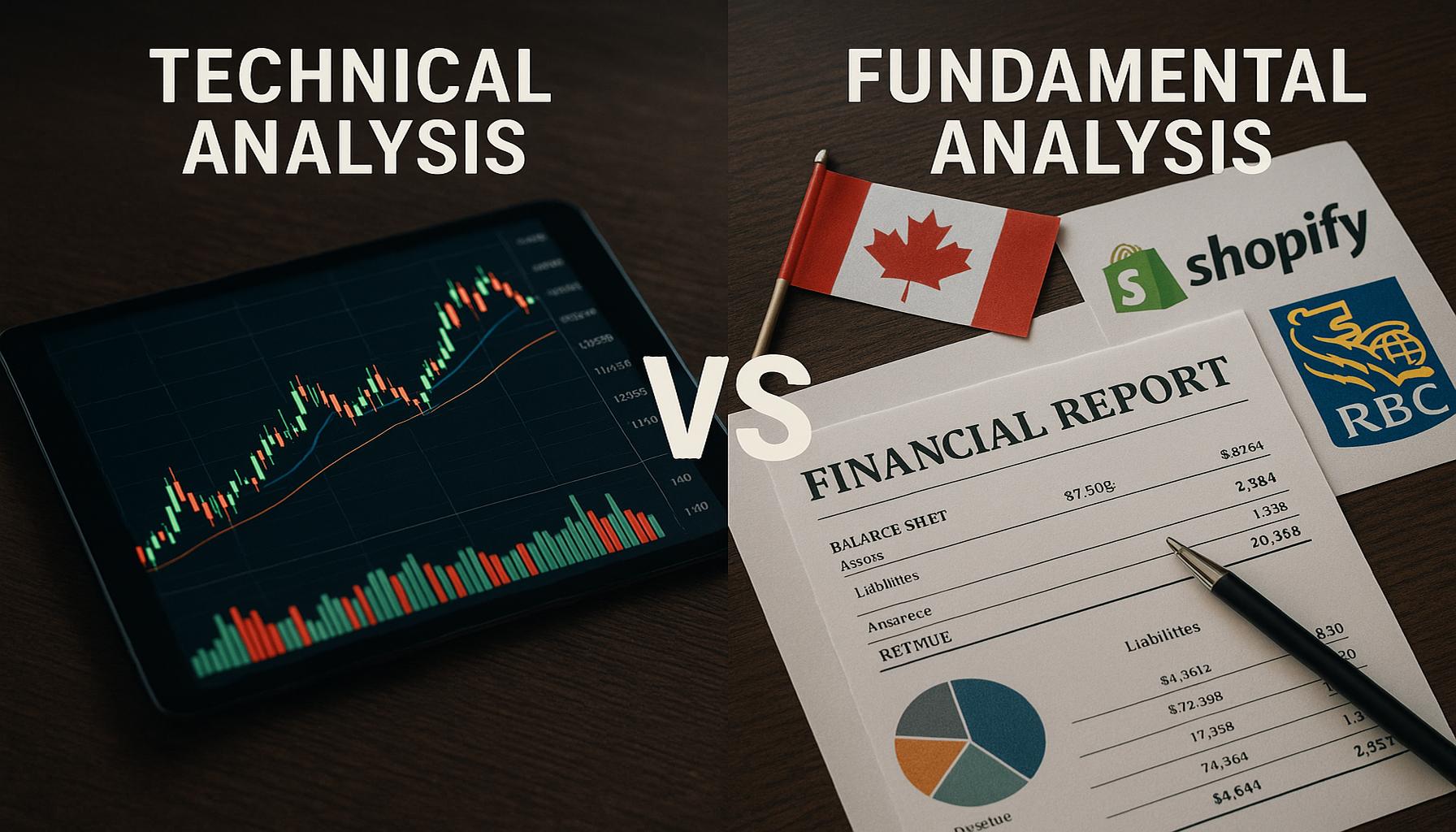
As a Canadian investor, navigating the complex world of stock trading can be both thrilling and daunting. Two prominent strategies often surface in investment discussions: Technical Analysis and Fundamental Analysis. Each approach offers unique insights, catering to different investor preferences and styles.
Technical Analysis: A Closer Look
Technical Analysis relies on historical price movements and trading volumes. This strategy assumes that past market behavior can predict future trends, making it particularly appealing for traders who thrive on patterns and metrics. Traders often utilize various tools, including:
- Charts and Indicators: Candlestick charts, line graphs, and moving averages are vital in this approach. They help investors identify trends, potential reversals, and support and resistance levels.
- Market Psychology: Understanding market sentiment is crucial. For instance, investor emotions can lead to trends like fear-induced sell-offs or euphoric buying sprees, which technical analysts seek to exploit.
- Short-term Trading Opportunities: Since technical analysis is heavily centered on timing, short-term traders often set strategies based on minor fluctuations in stock prices, which can also yield substantial returns during volatile market periods.
Fundamental Analysis: A Deeper Dive
In contrast, Fundamental Analysis digs deeper into the underlying economic factors that drive a company’s value. This thorough approach is critical for investors aiming for long-term gains and stability. Key aspects include:
- Evaluation of Company Earnings: Investors assess earnings reports, profit margins, and revenue growth to establish a company’s financial health. For example, a Canadian company like Shopify, which has demonstrated consistent earnings growth over the years, may attract long-term investors.
- Industry Trends: Understanding the wider market landscape is essential. Factors such as technological advancements or shifting consumer preferences can significantly affect a company’s prospects. For instance, the surge in renewable energy has led to increased interest in companies within that sector.
- Long-term Investment Prospects: Fundamental analysis often targets stable firms with strong growth potential. Investors like the Ontario Teachers’ Pension Plan often leverage this strategy, focusing on companies likely to maintain their market positions over time.
Choosing the Right Strategy
For Canadian investors, the choice between these two strategies hinges on their investment goals, risk tolerance, and market understanding. While some may gravitate toward the excitement of short-term trading with technical analysis, others may prefer the stability and rationale behind fundamental analysis. By exploring both methods, traders can gain valuable insights into their trading options and formulate a strategy that aligns with their financial aspirations.
Ultimately, whether through technical charts or fundamental evaluations, what matters most is that investors stay informed, remain adaptable, and continuously educate themselves on the evolving landscape of the stock market. With a solid understanding of these strategies, Canadian investors can navigate the complexities of trading with confidence.
DON’T MISS: Click here to learn more about tax law changes
Evaluating the Strengths and Weaknesses
Investors often find themselves at a crossroads when deciding which analytical strategies to adopt for their portfolios. Understanding the strengths and weaknesses of both Technical Analysis and Fundamental Analysis can provide clarity in this decision-making process. Each method does not merely exist in a vacuum; instead, they can complement each other, yet they also serve distinct purposes based on the investor’s unique circumstances.
Strengths of Technical Analysis
The allure of Technical Analysis is primarily rooted in its ability to present real-time trading signals and opportunities. This approach frequently appeals to traders who enjoy the dynamism of the market, thriving on its volatility. Several strengths can be highlighted:
- Quick Decision-Making: Technical analysts can make swift decisions based on chart patterns and indicators, allowing them to capitalize on short-term price movements effectively.
- Adaptability to Market Conditions: The principles of technical analysis can be applied across various markets and asset classes, including stocks, commodities, and currencies, making it a versatile tool for traders.
- Focus on Timing: This strategy emphasizes price trends and patterns, allowing investors to identify high-probability entry and exit points, which can lead to significant temporal gains.
Weaknesses of Technical Analysis
Despite its appeal, technical analysis is not without its drawbacks. Critics argue that over-reliance on this method may lead to shortsighted trading decisions. Some common weaknesses include:
- Neglect of Fundamental Value: By focusing solely on price patterns, traders risk overlooking the underlying factors that may fundamentally affect a stock’s long-term viability.
- Market Noise: Fluctuations in the market can lead to false signals, prompting misguided trades that result in losses. This noise can sometimes overshadow genuine trading opportunities.
- Emotional Trading: The pressure to act quickly may lead traders to make emotional decisions rather than rational ones, ultimately hindering their investment potential.
Strengths of Fundamental Analysis
In contrast, Fundamental Analysis emphasizes long-term value by evaluating a company’s inherent worth. This analytical method can be especially advantageous for Canadian investors who prioritize stability and growth. Key strengths include:
- Comprehensive Evaluation: This approach considers a wide range of variables, including economic indicators, industry dynamics, and company specifics, allowing for a well-rounded investment perspective.
- Long-term Focus: Investors using fundamental analysis often adopt a more strategic approach, holding onto stocks for longer periods to realize substantial returns driven by company growth.
- Risk Mitigation: By investing in companies with strong fundamentals, investors may reduce their risk exposure, particularly in volatile markets.
Weaknesses of Fundamental Analysis
However, fundamental analysis is not devoid of its challenges. Understandably, the complexity of evaluating a company’s long-term potential can sometimes lead to pitfalls. Common weaknesses include:
- Time-Intensive Research: Conducting thorough fundamental analysis requires significant time and effort, which may not be feasible for all investors.
- Market Sentiment Ignorance: This strategy may ignore prevailing market trends, resulting in missed short-term opportunities, especially during swiftly changing market conditions.
- Valuation Challenges: Accurate valuation can be subjective, relying on estimates that may vary among investors, which sometimes leads to incorrect conclusions about a stock’s true worth.
Ultimately, assessing the strengths and weaknesses of technical and fundamental analysis is essential for any Canadian investor. The choice between these two strategies may significantly depend on individual investment goals and the time frame they envision for their financial growth.
DISCOVER MORE: Click here for savvy strategies
Differing Objectives and Market Conditions
When comparing Technical Analysis and Fundamental Analysis, it is crucial to recognize that each method serves distinct objectives that align with different market conditions and investor mindsets. Canadian investors must evaluate how these differing objectives interact with economic trends and personal investment goals, essentially determining which strategy best suits their approach.
Short-Term vs. Long-Term Investing
The choice between technical and fundamental analysis often hinges on the investor’s time horizon. Technical analysis is primarily tailored for those engaged in short-term trading, capitalizing on fleeting price movements. For instance, a day trader in Toronto might rely on technical indicators, such as moving averages or the Relative Strength Index (RSI), to make rapid trading decisions based on the latest market sentiment. The recent trend of increased participation in day trading, notably during the pandemic, highlights how technical analysis appeals to those looking to profit from immediate price fluctuations.
On the contrary, fundamental analysis rewards the long-term investor who is focused on the underlying value of assets. By examining a company’s financial statements, market position, and macroeconomic factors, investors can identify undervalued stocks that are poised for growth over time. For Canadian investors, sectors like renewable energy or technology, which are projected to expand significantly, may present great opportunities for fundamental analysis. These investors see the potential for sustained gains rather than quick profits, focusing on companies such as Shopify or Enbridge, which are often studied in fundamental analysis.
Market Conditions and Economic Indicators
The effectiveness of either strategy can also vary depending on prevailing market conditions. In a volatile market, technical analysis may prove advantageous as it provides the tools to navigate rapid price swings. Consider the Canadian stock market during the 2020 market crash; traders adept at technical analysis could leverage stop-loss orders and chart patterns to mitigate losses quickly and reposition themselves effectively.
Conversely, during stable and growing economic conditions, fundamental analysis may unveil opportunities that a purely technical approach would overlook. For example, during periods of economic expansion, companies with solid fundamentals tend to appreciate in value, making it essential for investors to conduct thorough analyses of earnings reports and economic indicators like GDP growth and unemployment rates. In Canada, sectors supported by government initiatives, such as infrastructure investing or high-tech development, can reveal hidden growth potentials best highlighted through fundamental analysis.
The Psychology of Investing
Investor psychology also plays a pivotal role in determining which analytical method may lead to better outcomes. Technical analysis can cultivate a trader’s instinct and responsiveness, creating a sense of thrill akin to that of a sports game – where quick thinking can yield immediate rewards. In contrast, fundamental analysis promotes a more patient and research-driven mindset, necessitating resilience amidst market volatility. Understanding oneself and one’s investment behaviour can provide crucial insights into which analysis resonates more with an investor’s temperament.
In the grand scheme of things, both technical and fundamental analysis possess unique advantages that can’t be overlooked. The decision regarding which route to pursue should be influenced not only by individual investment goals and time frames but also by the ability to adapt to the evolving market landscape and personal cognitive tendencies. As Canadian investors delve into their financial futures, the intersection of these analytical strategies will undoubtedly continue to be a critical area of exploration.
DISCOVER MORE: Click here to learn about sustainable investing
Final Thoughts on Investment Strategies
In conclusion, Technical Analysis and Fundamental Analysis each present their own merits and drawbacks, making it essential for Canadian investors to approach their financial decisions with a comprehensive understanding of both strategies. While technical analysis offers tools for those looking to capitalize on shorter-term market movements, fundamental analysis empowers long-term investors to gauge the intrinsic value of their assets. Recognizing the interplay of these methods allows investors to tailor their approaches based on individual goals and market conditions.
The Canadian investment landscape is constantly evolving, influenced by global economic trends and local market dynamics. For investors navigating this terrain, being adaptable is key. Investors may find that a hybrid strategy, incorporating both technical and fundamental analysis, could yield a more rounded perspective that captures the nuances of market behavior. This tailored approach fosters a deeper engagement with both current market sentiment and the underlying economic fundamentals that drive growth.
As the financial landscape continues to be shaped by technological advancements and shifts in investor psychology, the importance of self-awareness in investment strategy cannot be overstated. Each investor’s unique temperament and risk tolerance will further dictate which analytical approach resonates most. Ultimately, Canadian investors should remain vigilant, inquisitive, and open to evolving their strategies as they pursue their financial goals, ensuring they are well-equipped to thrive in both bullish and bearish markets.

Linda Carter
Linda Carter is a writer and financial expert specializing in personal finance and financial planning. With extensive experience helping individuals achieve financial stability and make informed decisions, Linda shares her knowledge on our platform. Her goal is to empower readers with practical advice and strategies for financial success.