Strategies for Effectively Managing Credit Card Debt
Understanding Credit Card Debt
Credit card debt is a significant financial challenge that many Canadians face, particularly in an era where interest rates can rise with little warning. The implications of carrying high-interest debt are profound, as it not only impacts your ability to save but can also affect your overall financial health. To navigate these waters, it’s essential to familiarize yourself with the key elements of credit card debt management.
Interest Rates: One prominent feature of credit cards is their often exorbitant interest rates, which can soar into the double digits. For instance, the average credit card interest rate in Canada hovers around 19.99%, but many cards charge even higher rates. This means that if you carry a balance, a significant portion of your payments goes towards servicing the interest rather than reducing the principal amount. Understanding how interest is calculated, including factors like APR (Annual Percentage Rate) and compounding interest, can help you realize the importance of paying off your balance as quickly as possible.
Minimum Payments: The allure of low minimum payments can be deceptive. While it might be tempting to pay just the minimum required, doing so can lead to a cycle of debt that stretches over years. For example, if you owe $5,000 on a credit card with a 20% interest rate and only pay the minimum of $100 a month, it could take you over five years to pay it off, costing you hundreds of dollars in interest. Recognizing the long-term consequences of minimum payments is critical for developing a proactive debt repayment strategy.
Strategizing Your Debt Repayment
Once you have a solid understanding of credit card debt, it’s time to devise strategies for effective repayment. Among the most popular methods are:
- Debt Snowball Method: This approach focuses on paying off your smallest debts first, allowing for quick wins that can motivate you to tackle larger debts. For example, if you have a $500 balance on one card and a $2,000 balance on another, paying off the smaller debt first can provide a psychological boost, encouraging you to stick to your repayment plan.
- Debt Avalanche Method: Unlike the snowball method, this strategy prioritizes debts by interest rate rather than balance size. By tackling the debt with the highest interest first, you can minimize the total interest paid. For instance, if you have a $3,000 balance at 25% interest and another at 15%, focusing on the higher rate allows you to save money in the long run.
- Consolidation: This method involves combining multiple credit card debts into a single loan, ideally with a lower interest rate. Debt consolidation can simplify your finances, making it easier to manage payments, and potentially reduce the total interest paid. Canadians can explore options such as personal loans or balance transfer credit cards, which typically offer promotional rates for the initial period.
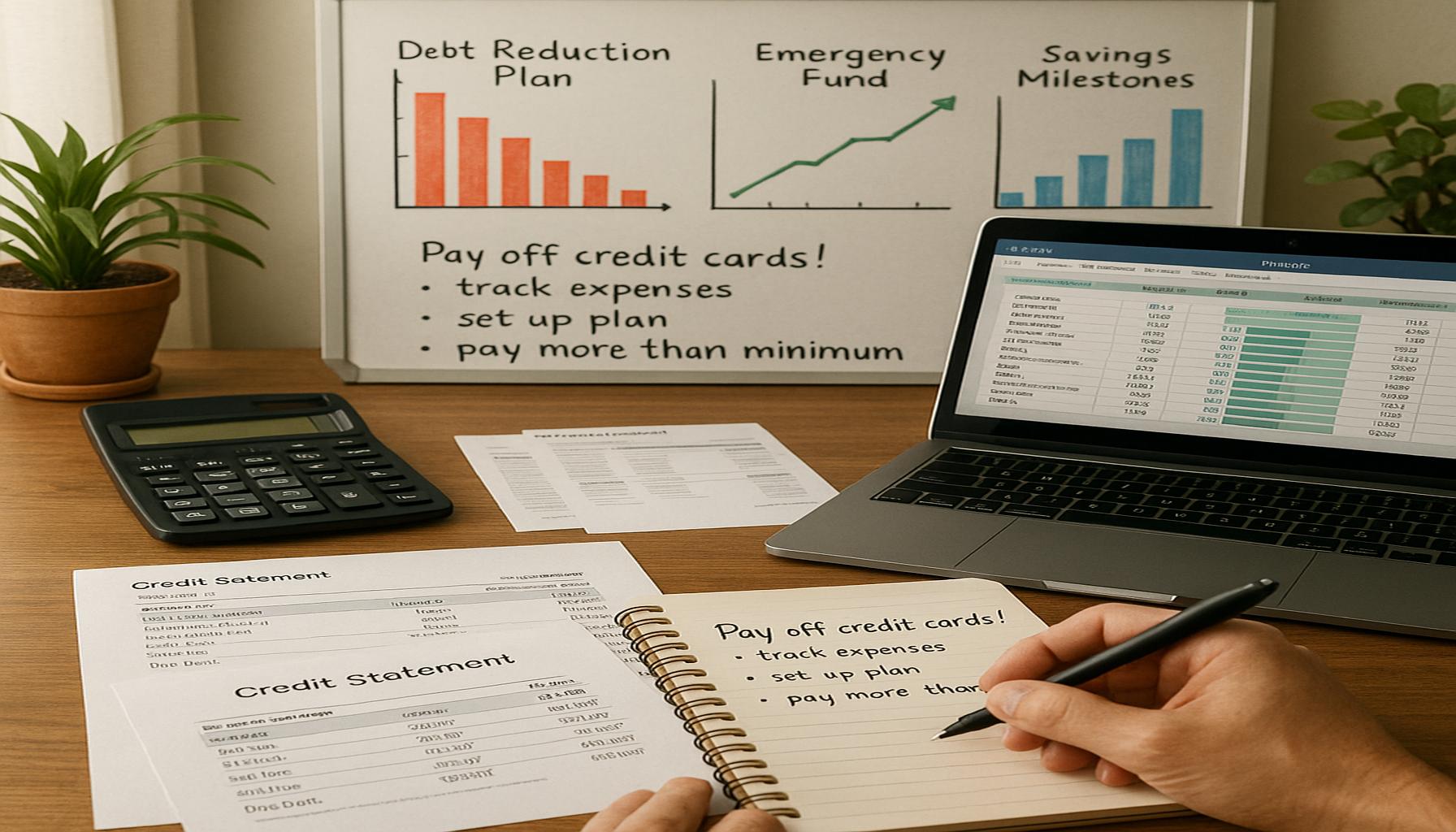
Implementing these strategies not only aids in paying off debt but also fosters improved financial habits. For example, setting a monthly budget that includes a dedicated debt repayment plan can help you prioritize your finances effectively. Using tools such as budgeting apps can also help you track your spending and manage your cash flow better. By taking control of your credit card debt and maintaining a disciplined approach to repayment, you can work towards achieving financial stability and peace of mind.
In summary, while credit card debt can indeed be daunting, understanding its intricacies and employing practical strategies can empower individuals to regain control over their finances. With commitment and a well-thought-out plan, overcoming credit card debt is not just possible, but achievable.
LEARN MORE: Click here for the application guide
Effective Strategies for Tackling Credit Card Debt
Managing credit card debt requires a thoughtful and disciplined approach. With a plethora of strategies available, it’s crucial to choose methods that resonate with your financial circumstances and personal preferences. Whether you’re dealing with a small balance or a larger sum, employing these strategies can set you on a path toward financial freedom.
Budgeting for Success: The cornerstone of any successful debt repayment plan is a well-structured budget. Begin by assessing your monthly income and expenses comprehensively. This includes tracking where your money goes, from essentials like rent and groceries to discretionary spending such as dining out or entertainment. By understanding your spending habits, you can identify areas where you may cut back. Allocating a portion of your monthly budget towards credit card repayment can help you stay committed to paying down your debt faster. Consider utilizing tools like budgeting apps or financial tracking software, which can assist in managing your finances and ensuring that you stick to your goals.
Use Automation: One effective way to ensure that your payments are made on time and in full is through automation. Setting up automatic transfers from your bank account to your credit card can alleviate the stress of remembering payment due dates. Not only does this practice help avoid late fees, but it also protects your credit score. In Canada, where credit scores significantly impact financial decisions, maintaining a good credit rating is essential. Over time, you’ll develop the habit of prioritizing debt repayment, making financial management feel seamless.
Prioritize High-Interest Debt: As discussed earlier, understanding the difference between the Debt Snowball and Debt Avalanche methods is vital for effective repayment. By focusing on high-interest debts first, you can minimize the amount you pay over time. It might feel counterintuitive to tackle larger debts initially, but staying aware of the interest rates associated with your debts will ultimately save you money. Prioritize those credit cards with the highest interest rates and allocate any extra funds toward those balances until they are paid off. This strategy not only expedites your debt-free journey but also cultivates a sense of achievement as you see specific balances dwindle away.
Negotiate Lower Interest Rates: Often overlooked, negotiating with your credit card company can yield great benefits. Many Canadians are unaware that simply asking for a lower interest rate can sometimes lead to a successful outcome. If you have a history of timely payments and good credit behavior, your creditor may be willing to work with you to maintain your business. A lower interest rate means more of your payment goes toward the principal balance, accelerating your progress toward becoming debt-free.
By implementing these strategies, you can lay a strong foundation for effectively managing and ultimately eliminating credit card debt. Each approach provides unique advantages tailored to different situations, so take the time to evaluate which methods best complement your financial goals. As you embark on this journey, remember that staying consistent and proactive will lead you closer to achieving greater financial health.
DISCOVER MORE: Click here for detailed information
Additional Techniques for Managing Credit Card Debt
While budgeting, automation, and prioritizing high-interest debts are pivotal strategies, there are several other approaches you can adopt to enhance your effectiveness in managing credit card debt. By incorporating these additional methods, you can better navigate your financial landscape and alleviate the burden of debt.
Consider a Balance Transfer: If you have a substantial balance on a credit card with a high interest rate, exploring a balance transfer to a card with a lower or even 0% introductory APR can be an advantageous move. Many Canadian credit card companies offer promotional rates that allow you to pay down your balance without accruing additional interest for a set period. However, it’s important to read the fine print, as some cards may charge balance transfer fees or revert to a higher rate after the promotional period ends. This strategic shift can provide the breathing room necessary to expedite your repayment efforts.
Utilize Windfalls Wisely: Unexpected financial receipts, whether through tax refunds, bonuses, or gifts, often serve as an opportunity to accelerate debt repayment. Rather than allowing these funds to slip into habitual spending, consider allocating a significant portion toward your credit card balances. This proactive approach reinforces the discipline needed to tackle your debt head-on. For instance, if you receive a tax refund of $2,000, directing it toward your highest-interest credit card can have a profound impact on reducing your overall debt load.
Establish an Emergency Fund: Counterintuitive as it may seem, creating a small emergency fund can actually save you money in the long run. Having a cushion to fall back on can prevent you from relying on credit cards for unexpected expenses, such as car repairs or medical bills. Aim for a fund that covers at least one month’s worth of essential expenses. Allocating a portion of your budget for this purpose can significantly reduce your reliance on credit cards when life throws you a curveball.
Seek Professional Help: If you’re feeling overwhelmed by your credit card debt and struggling to manage it on your own, reaching out to a credit counselling service can provide invaluable assistance. Non-profit organizations in Canada, such as Credit Counselling Canada, offer guidance and education to help you create a manageable repayment plan. Credit counsellors can provide expert advice on budgeting, debt management, and negotiating with creditors, putting you back in control of your financial situation.
Avoid New Debt: One of the most effective yet challenging strategies for managing credit card debt is to avoid accruing new debt while you pay off existing balances. Resist the temptation to use your cards for additional purchases during your repayment period. This requires discipline and commitment, but by concentrating solely on paying off your existing debt, you reinforce a mindset geared toward financial responsibility and stability.
Incorporating these strategies into your financial management arsenal can empower you to take control of your credit card debt. With patience and dedication, these approaches not only equip you with the tools to reduce debt but also instill habits that foster lasting financial well-being. By remaining vigilant and maintaining focus on your goals, you can build a brighter financial future.
DISCOVER MORE: Click here to learn how to maximize your rewards
Conclusion
Effectively managing credit card debt is not merely about making minimum payments or wishing for a miracle; it’s a proactive journey toward financial stability. As we explored, adopting a multi-faceted approach that includes budgeting, prioritizing high-interest debts, and wisely utilizing balance transfers can significantly alleviate the stress associated with credit card debt. Additionally, using unexpected financial windfalls wisely, establishing an emergency fund, and seeking help from professional counselling services can provide the necessary support during challenging times.
It’s important to remember that discipline plays a crucial role in this process. Avoiding new debt while focusing on paying down existing balances fosters a mindset centered on financial responsibility, which is pivotal for long-term success. Rather than viewing credit cards as a quick fix for immediate needs, embrace the idea that they are tools that require responsible management.
Moreover, recognizing that you are not alone in this struggle can be empowering. Millions of Canadians face similar challenges, and many resources are available to assist you. By remaining committed and staying informed, you can navigate your financial landscape, transforming a seemingly insurmountable debt into manageable steps toward financial freedom. Ultimately, taking control of your credit card debt is a promise you make not just to your credit rating, but to your future self. With determination and the right strategies, you can build a more secure and prosperous financial future.

Linda Carter
Linda Carter is a writer and financial expert specializing in personal finance and financial planning. With extensive experience helping individuals achieve financial stability and make informed decisions, Linda shares her knowledge on our platform. Her goal is to empower readers with practical advice and strategies for financial success.