The Role of Financial Education in the Formation of a Sustainable Personal Budget
Understanding Financial Education
In a society where financial literacy is increasingly crucial, equipping ourselves with the knowledge to manage our finances wisely is no longer optional. As Canadians grapple with rising living costs and shifting economic landscapes, financial education emerges as a vital tool in navigating these challenges. It not only enables individuals to build a robust personal budget but also fosters a deeper understanding of the economic factors that affect their daily lives.
The Importance of Budgeting Skills
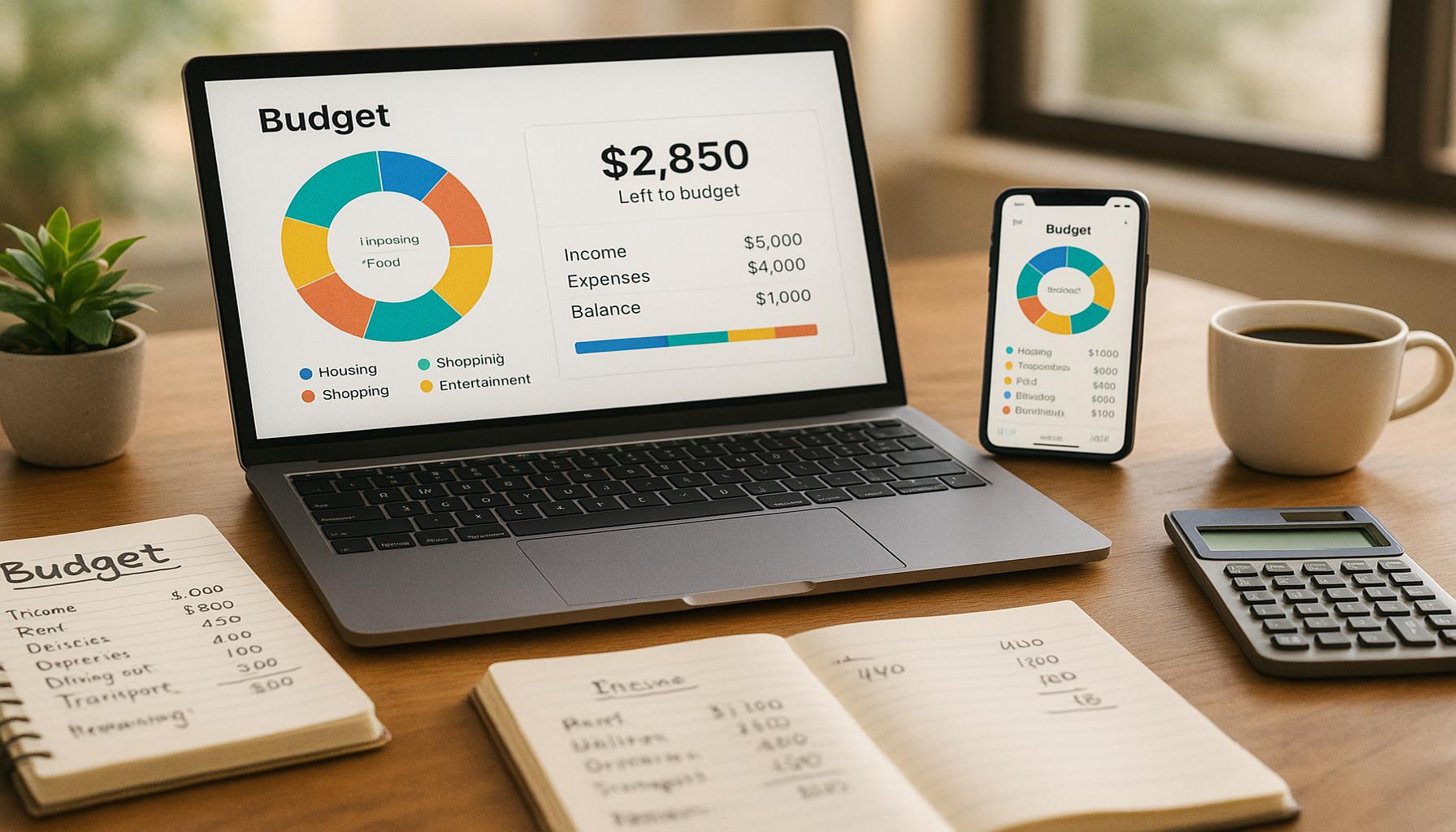
To effectively manage personal finances, one must develop budgeting skills. Crafting a budget is akin to creating a roadmap for your financial journey. It involves outlining income and expenses to ensure that spending aligns with financial goals. For example, a typical scenario might involve estimating monthly utility bills, groceries, and leisure activities while simultaneously factoring in savings for future investments or emergencies. Canadians can utilize budgeting apps like Mint or YNAB, which cater to specific needs and reflect local costs. By developing a budget, individuals can identify discretionary spending and make mindful decisions about where to cut back and save.
Expense Tracking: The Path to Awareness
Expense tracking is another fundamental aspect of financial education. By regularly monitoring expenditures, individuals gain valuable insights into their spending patterns. For instance, someone living in Ontario might discover that dining out takes up a significant portion of their budget—this awareness can be a catalyst for change. Leveraging expense tracking tools can streamline this process, allowing users to categorize expenses and identify areas where savings can be realized. Even simple actions, such as reducing coffee shop visits or opting for home-cooked meals, can lead to significant savings over time.
Debt Management and Its Strategies
Understanding debt management is essential for Canadians facing the realities of credit card debt or student loans. Developing strategies to handle and reduce debt can help individuals regain financial stability. For example, the snowball method encourages tackling smaller debts first, providing a psychological boost as they are paid off. Moreover, accessing resources such as the Financial Consumer Agency of Canada can provide guidance on consolidating debts and negotiating with creditors—all necessary skills in creating a sustainable financial future.
The Basics of Investment
Finally, delving into investment basics can set the stage for long-term wealth building. Canadians are encouraged to explore options like Registered Retirement Savings Plans (RRSPs) and Tax-Free Savings Accounts (TFSAs). These instruments not only provide tax advantages but also encourage disciplined saving and investing. Understanding compounding interest and diversification of investments can empower individuals to make informed decisions that align with their financial aspirations.
Navigating the Canadian Financial Landscape
It is vital for Canadians to consider the unique elements that shape their financial choices. Evaluating the cost of living across provinces, from the bustling streets of British Columbia to the affordability of the Prairies, can influence where they choose to live and work. Familiarity with government programs is equally important, as tax credits and social benefits can significantly ease financial burdens. Programs like the Canada Child Benefit or the GST/HST credit can enhance personal finances, making it essential to stay informed about available resources.
The Role of Financial Tools
Utilizing financial tools tailored to the Canadian market enhances the approach to personal finance management. There are numerous apps, websites, and software that offer budgeting assistance, investment tracking, and debt management advice, all aligned with Canadian regulations. For instance, local resources like the Canadian Centre for Financial Literacy provide valuable workshops and materials that empower individuals with the knowledge to succeed financially.
Integrating financial education into daily life fosters a culture of awareness and responsibility regarding money management. By investing time and effort into understanding financial principles, Canadians can build a secure and sustainable future for themselves and their families.
DISCOVER MORE: Click here to dive deeper into the role of technology
The Foundations of Effective Budgeting
Building a sustainable personal budget requires more than just scribbling down income and expenses; it necessitates a thorough understanding of financial education principles. One fundamental area of focus is understanding fixed and variable expenses. Fixed expenses, such as rent or mortgage payments, remain constant each month and are often non-negotiable. On the other hand, variable expenses, including groceries and entertainment, can be adjusted based on spending habits and priorities. By recognizing the distinction between these two categories, individuals can make informed decisions about where to allocate their resources.
Establishing Financial Goals
To create a budget that promotes long-term sustainability, it’s essential to set clear financial goals. These goals should be specific, measurable, achievable, relevant, and time-bound (SMART), providing a clear direction for one’s finances. For instance, a financial goal might be to save $5,000 for a vacation within two years or to pay off credit card debt of $2,000 in six months. Clearly defined goals not only motivate individuals but also serve as benchmarks to evaluate progress over time.
Creating a Realistic Budget
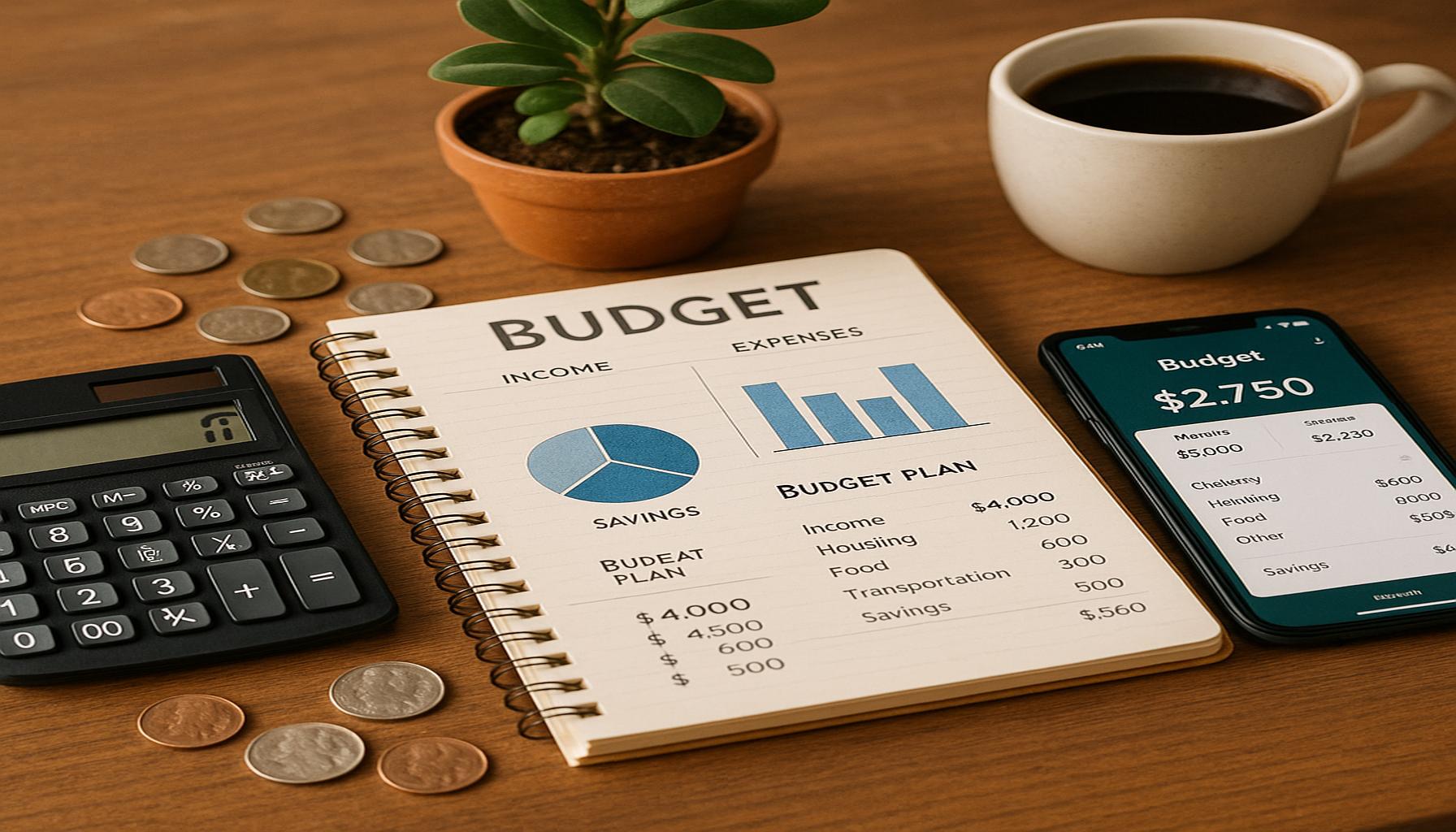
Once individuals understand their expenses and have established financial goals, the next step is to create a realistic budget. This process begins with compiling all sources of income, including salaries, freelance work, and any passive income. After establishing income, individuals should list their monthly expenses in detail. Here’s a simplified approach to outline budgeting categories:
- Essentials: Rent, utilities, groceries, transportation
- Debt Payments: Credit card payments, student loans
- Savings: Emergency fund, retirement contributions
- Discretionary Spending: Dining out, entertainment, hobbies
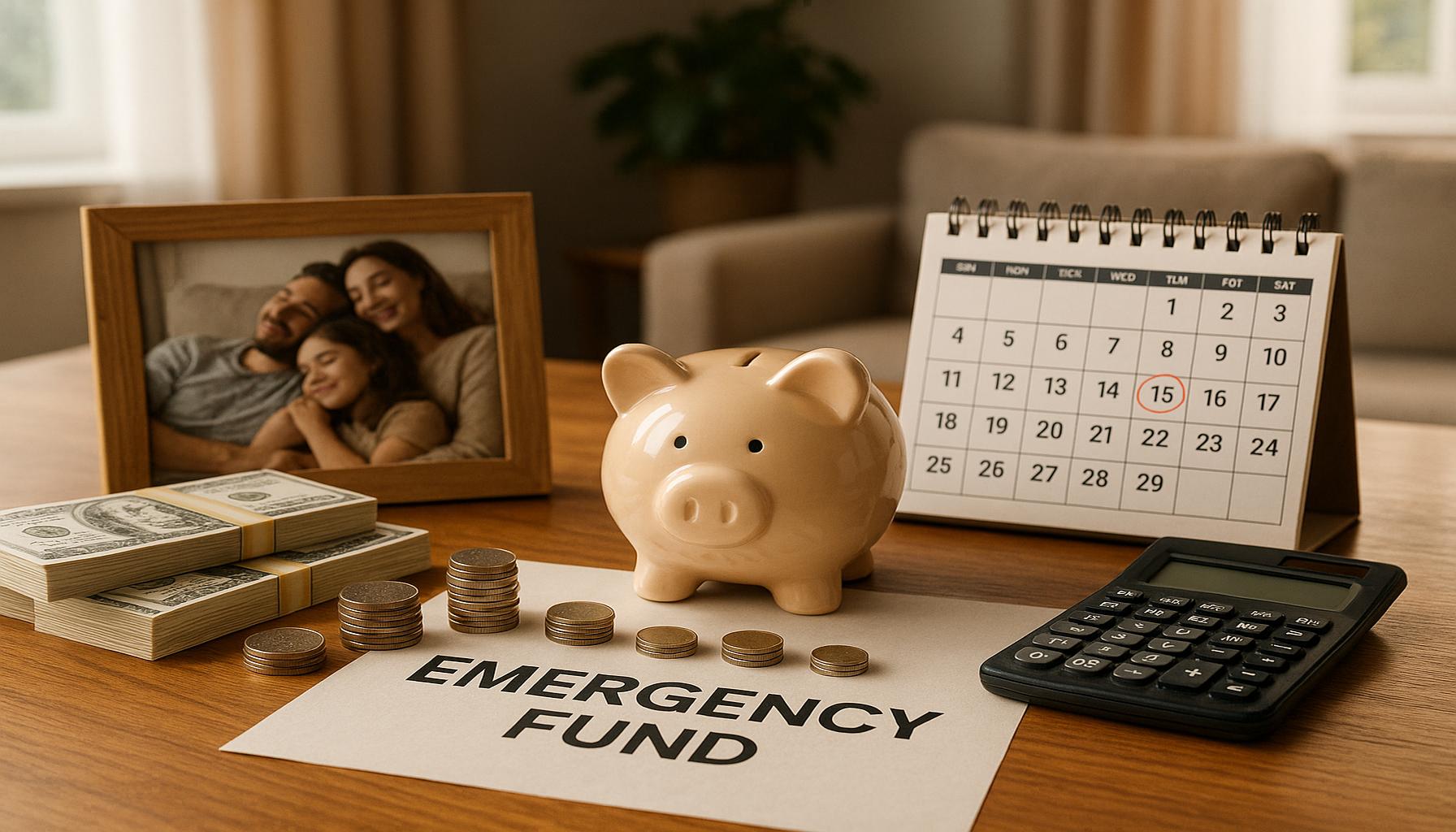
By categorizing expenses, individuals can allocate their funds efficiently, ensuring that essentials are covered while still leaving room for savings and some discretionary spending. Special emphasis should be placed on building an emergency fund, which acts as a financial safety net in times of unexpected circumstances.
The Role of Financial Education in Sustaining a Budget
Financial education plays a crucial role in sustaining a budget, as it instills confidence and empowers individuals to take control of their financial circumstances. Armed with knowledge about managing credit scores, understanding interest rates, and identifying investment opportunities, individuals can make better choices that positively affect their budgets. Furthermore, ongoing education keeps individuals informed about new financial tools and trends, enabling them to adapt their budgets as personal and economic situations evolve.
Ultimately, developing a sustainable personal budget is not merely about numbers; it’s about fostering a mindset that embraces financial responsibility. With the right knowledge and tools, Canadians can navigate their financial landscape with confidence, making informed decisions that align with their long-term goals. This journey begins with a solid grounding in financial education, paving the way for a prosperous future.
DIVE DEEPER: Click here to learn how to apply for the Scotia Momentum Visa Infinite credit card</a
Navigating Challenges and Building Resilience
Even with a comprehensive understanding of financial concepts, individuals may face various challenges that jeopardize their budgeting efforts. These challenges can range from unexpected expenses, such as home repairs or medical bills, to changes in income, like job loss or reduced work hours. Here, financial education becomes essential, equipping individuals with the skills to manage uncertainties without derailing their budgets.
Emergency Preparedness and Adaptability
A key aspect of a successful budget is emergency preparedness. An educated individual recognizes the importance of having a sufficient emergency fund that can cover three to six months’ worth of living expenses. Such a fund can prove invaluable during unforeseen events, minimizing reliance on credit cards or loans that can lead to further financial strain. Financial literacy programs often focus on teaching strategies for building this fund, helping individuals identify areas to cut back in their budgets to prioritize saving.
Moreover, adaptability is a critical skill fostered through financial education. Market fluctuations, changes in personal circumstances, or even global events can influence financial stability. For instance, during economic downturns, individuals might need to reassess their budgets frequently to ensure they maintain their financial well-being. Understanding concepts such as budgeting flexibility allows people to adjust their spending or savings strategies swiftly, maintaining a healthy balance even in turbulent times.
The Importance of Continuous Learning
Financial education is not a one-time endeavor; rather, it is an ongoing journey. Continuous learning ensures individuals remain informed about essential financial topics, such as investment options, tax implications, and retirement planning. By attending workshops, participating in webinars, or even following reputable financial blogs, individuals can keep their skills sharp and learn about emerging tools that may aid in their budgeting processes.
For instance, Canadians can utilize various mobile apps designed to help track spending, set savings goals, and even remind them of upcoming bills. Familiarizing oneself with these tools requires a baseline knowledge of financial management, making education indispensable for effective utilization. Ultimately, educated individuals can leverage technology to enhance their budgeting experience, maximizing their efforts toward a sustainable financial future.
Understanding Credit and Its Impact on Budgeting
Another critical element of financial education is the understanding of credit and its substantial impact on personal budgets. In Canada, a strong credit score can lead to better interest rates on loans and credit products. However, the opposite holds if individuals do not manage their credit wisely. Educated individuals learn about the importance of maintaining low credit utilization and timely payments, ensuring they make informed decisions to enhance their financial profiles.
Moreover, financial education empowers individuals to handle credit responsibly. Comprehending terms related to loans and credit agreements, such as APR (Annual Percentage Rate) and the implications of secured versus unsecured debt, can significantly influence budgeting choices. Those equipped with this knowledge are better positioned to avoid high-interest debt, which often consumes a significant portion of their budgets. Understanding how to navigate the world of credit effectively can lead to more sustainable budgeting practices.
In summary, financial education is an indispensable tool in the journey to formulating a sustainable personal budget. By navigating challenges, preparing for emergencies, fostering continuous learning, and understanding credit, individuals can cultivate resilience in their financial decision-making. This integrated approach not only ensures adherence to budgeting plans but also nurtures a mindset geared towards long-term financial health and well-being.
LEARN MORE: Click here for smart budgeting tips
Conclusion
In today’s fast-paced financial landscape, grasping the significance of financial education is more critical than ever for Canadians seeking to form a sustainable personal budget. As we have explored, financial literacy empowers individuals to navigate a variety of challenges that life may throw their way—whether it’s an unforeseen expense, a shift in employment, or even fluctuating market conditions. By equipping individuals with the tools and knowledge to effectively prepare for emergencies and adapt their budgets, financial education lays the groundwork for lasting stability.
Continuous learning ensures that one remains abreast of essential financial skills, enabling the effective use of emerging technologies, and allowing for strategic planning in areas like investment, saving, and retirement. As Canadians embrace this ongoing journey of financial literacy, they develop not only the practical skills necessary to manage their budgets but also a profound understanding of credit and its implications on overall financial health. This understanding is vital for making informed, responsible decisions that safeguard against debt pitfalls.
Ultimately, the essence of sustainable budgeting lies in resilience—a resilience that is cultivated through education. As individuals grow their financial knowledge, they foster a mindset focused on long-term well-being rather than short-term fixes. For all Canadians striving for financial stability, investing in financial education is not just a pathway to a balanced budget; it is an essential commitment to a secure and prosperous future.

Linda Carter
Linda Carter is a writer and financial expert specializing in personal finance and financial planning. With extensive experience helping individuals achieve financial stability and make informed decisions, Linda shares her knowledge on our platform. Her goal is to empower readers with practical advice and strategies for financial success.