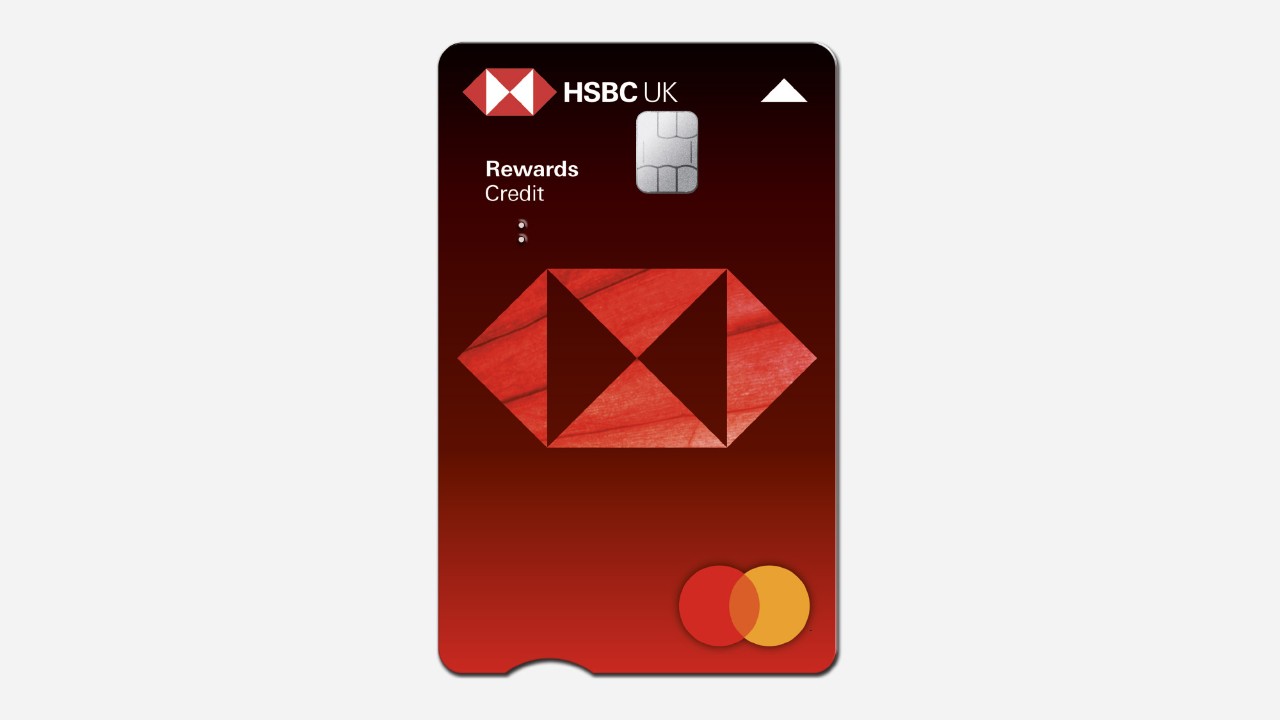
Credit Cards for Travel: How to Maximize Rewards and Benefits
Historical Context of Currency Evolution
The journey of currency is a fascinating saga that mirrors the development of human society itself. From the primitive barter systems in ancient Mesopotamia, where goods were exchanged directly, to the establishment of coins in Lydia around the 7th century BCE, the concept of money has ceaselessly transformed. These early coins not only facilitated trade but also introduced intrinsic value, which marked a significant shift in economic practices. As societies advanced, so too did their monetary systems, leading to the introduction of paper currency in China during the Tang Dynasty and the eventual rise of central banking in Europe in the 17th century.
The Rise of Credit Cards in the Modern Economy
Transitioning into the contemporary era, the introduction of credit cards in the mid-20th century revolutionized consumer finance. Initially, these cards served primarily as a means to defer payment, but they have now evolved into sophisticated financial instruments that cater specifically to varied consumer needs, particularly in travel. The premise of borrowing money with the confidence of future repayment is akin to the initial promises made by the first coins—trust in the value of currency.
Today, travel credit cards have gained immense popularity, offering benefits that enhance financial and travel experiences. As a testament to the present financial landscape, consider the following features:
- Rewards Points: These points accumulate with every pound spent, turning routine purchases into travel opportunities. For instance, a family dining out can earn enough points for a free flight to Spain by simply opting for a travel-oriented credit card.
- Travel Insurance: Many travel credit cards automatically include essential coverage, which alleviates the financial burden in case of unexpected events like trip cancellations or medical emergencies abroad. This benefit reflects the lessons learned from past economic downturns, where the inability to secure adequate insurance highlighted the vulnerabilities of unprepared travelers.
- No Foreign Transaction Fees: With travel being more accessible than ever, the elimination of additional charges when spending in foreign currencies allows consumers to maximise their budgets. In a post-Brexit United Kingdom, this feature is particularly valuable as the fluctuating value of the pound may lead to increased costs abroad.
Lessons from Economic History
Historical economic events have imparted significant lessons about financial prudence. The rampant inflation of the 1970s, driven by oil crises and geopolitical tension, taught the importance of sustainable fiscal practices. As individuals reflect on this, the strategic use of travel credit cards becomes both an opportunity and a responsibility in the current context of globalisation.
Understanding the varied offerings of travel credit cards is crucial in navigating today’s financial terrain. Just as ancient traders had to learn the nuances of commerce, modern consumers must be savvy to maximise their gains. Selecting the right card not only enhances one’s financial health, but it also transforms everyday expenditures into memorable adventures, thereby intertwining fiscal responsibility with the joy of exploration.
DISCOVER MORE: Click here to find out how to apply
Leveraging Financial Instruments for Travel Opportunities
As financial instruments evolve, lessons from the past reveal critical insights relevant to today’s consumer behaviour. The introduction of credit cards not only diversified payment methods but also created a landscape where savvy consumers could strategically harness financial benefits. A historical analogy can be drawn with barter trade, as consumers must now barter their everyday spending for travel rewards, akin to ancient traders who exchanged goods for exceptional relics or rare items. Maximizing rewards through travel credit cards requires an understanding of the multifaceted offerings available today.
To fully appreciate how to leverage these credit cards for travel rewards, consider the following key components that can enhance your financial strategy:
- Sign-Up Bonuses: Many travel credit cards offer lucrative sign-up bonuses for new applicants meeting specific spending thresholds within the initial months. This feature can be compared to ancient trade agreements where initial investments yielded significant returns. By capitalizing on these bonuses, consumers can swiftly accumulate enough points for a dream getaway.
- Earning Categories: Different cards feature various categories for which you can earn enhanced rewards, such as dining, travel, or grocery purchases. This approach is reminiscent of the past when merchants distinguished their goods to attract specific clientele. Selecting a card that aligns with your spending habits amplifies your ability to earn points efficiently.
- Flexible Redemption Options: The flexibility to redeem points for flights, hotels, or experiences provides a modern parallel to the myriad of currencies used in historic trade routes. Travelers can tailor their rewards to match their personal preferences, ensuring that the efforts put into accumulating points benefit their unique travel goals.
- Partnerships: Many travel credit cards have established partnerships with airlines, hotels, and travel agencies, granting cardholders exclusive deals and bonuses. This builds upon the age-old concept of alliances in commerce, allowing consumers to gain the upper hand in securing value for their expenditures.
Understanding these offerings is akin to mastering the art of negotiation throughout history. Just as merchants of the past learned the timing and manner of their trades to optimize their profits, modern consumers must navigate credit card terms and conditions.
One must also be vigilant about the potential pitfalls associated with credit card usage. The lessons from past financial crises serve as a beacon for consumers; responsible usage is paramount to avoid spiraling into debt. As consumers manage their spending and ensure payments are made on time, they not only cultivate their financial health but also pave the way for future travel opportunities.
In a world where travel is increasingly cherished, maximizing the benefits of travel-oriented credit cards enables consumers to transform everyday purchases into extraordinary adventures. By viewing their spending through the lens of historical evolution, individuals cultivate a richer understanding of financial tools, allowing them to thrive as modern-day explorers of the globe.
DISCOVER MORE: Click here to learn about financial planning for your emergency fund
Understanding the Currency of Modern Spending
In the grand tapestry of economic history, the methods by which consumers exchange value have evolved significantly. The evolution from tangible currency to virtual transactions can be likened to the gradual transition from barter to coinage, and now, to digital wallets. Today, credit cards stand as the sophisticated instruments through which consumers can transform ordinary expenditure into remarkable travel experiences. The wise application of credit card rewards is reminiscent of ancient merchants who adeptly navigated trade routes to maximize their gains.
To navigate this contemporary ecosystem effectively, consumers should consider these additional pillars of wisdom:
- Annual Fees: While many travel credit cards come with alluring benefits, they often also carry annual fees. This mirrors the era when merchants had to consider the cost of doing business against their profit margins. Consumers ought to pragmatically evaluate whether the potential rewards over the year outweigh any fees, ensuring they select cards that align with their spending behaviours.
- Credit Score Impact: The importance of maintaining a strong credit score has similarities to maintaining one’s reputation in historical trade. Just as a merchant’s credibility could affect their access to goods and markets, a consumer’s credit score plays a crucial role in determining the types of credit products available to them, including premium travel credit cards. Regular monitoring of one’s credit history and making timely payments can yield long-term benefits when seeking travel rewards.
- Foreign Transaction Fees: Many credit cards impose fees on transactions conducted outside of the country. This function reflects lessons learned from historical trade, where cross-border exchanges often yielded additional costs. For the modern traveller, selecting a card that waives these fees can lead to significant savings, allowing funds to be allocated instead towards memorable experiences in foreign lands.
- Reward Expiration: Just as commodities traded in ancient markets could spoil or lose value, so too can travel rewards. Consumers should be mindful of the terms surrounding the expiration of points or miles. A lack of vigilance could result in an unintended forfeiture of hard-earned rewards. Engaging with card issuers and keeping abreast of policy changes can empower consumers to make timely redemptions.
While it is essential to exploit these opportunities, one must also remain astute to the myriad credit card offers and promotional campaigns that flood the market. History teaches us that popularity does not always equate to value; a discerning consumer should assess each offer against their personal spending habits and travel aspirations. The same diligence applies as it did during the age of exploration when savvy merchants evaluated the stability of regions before committing resources.
Furthermore, the rise of technology offers tools that modern consumers can utilize to bolster their travel reward strategies. Mobile applications and websites enable easy comparisons across numerous credit cards, akin to the trading posts in historical marketplaces where competition flourished to the benefit of the buyer. By leveraging these digital resources, consumers can pinpoint the most advantageous credit cards that meet their travel needs while maximising benefits.
As consumers traverse this financial landscape, they will discover that informed choices rooted in historical understanding are crucial. By acknowledging past economic dynamics and applying those lessons in today’s context, individuals can elevate their travel experiences, transforming fleeting moments into lasting adventures that traverse both time and space.
DISCOVER MORE: Click here for the easy approval guide
Concluding Thoughts on Travel Credit Cards
In the annals of commerce, the lessons derived from historical transactions still resonate with clarity today. The pathways forged by ancient traders and merchants are echoed in the strategies modern consumers employ to maximise their travel credit card benefits. As we navigate through this intricate landscape of financial choices, it is critical to recognise that knowledge is the greatest currency at our disposal. By understanding elements such as annual fees, credit score influences, foreign transaction fees, and the implications of reward expiration, individuals can craft personalised strategies that echo the astute decisions of merchants of yore.
The modern traveller must also be on guard against the allure of superficial offers; much like the famed Silk Road traders evaluated the quality of their goods, current consumers should compare and contrast the myriad of credit card options available. Leveraging digital tools not only simplifies this process but empowers individuals to pinpoint the offerings that align with their financial habits and travel aspirations.
Ultimately, the art of utilising credit cards for travel rewards requires both a historical perspective and an analytical mindset. By implementing the time-honoured principles of scrutiny, savvy, and foresight, consumers can not only enhance their travel experiences but also ensure that every purchase contributes to a grander adventure. As we embrace the opportunities of this modern economy, let us carry forth the legacies of our ancestors, transforming every transaction into a stepping stone towards extraordinary journeys across the globe.

Linda Carter
Linda Carter is a writer and financial expert specializing in personal finance and financial planning. With extensive experience helping individuals achieve financial stability and make informed decisions, Linda shares her knowledge on our platform. Her goal is to empower readers with practical advice and strategies for financial success.Linda Carter is a writer and financial expert specializing in personal finance and financial planning. With extensive experience helping individuals achieve financial stability and make informed decisions, Linda shares her knowledge on our platform. Her goal is to empower readers with practical advice and strategies for financial success.