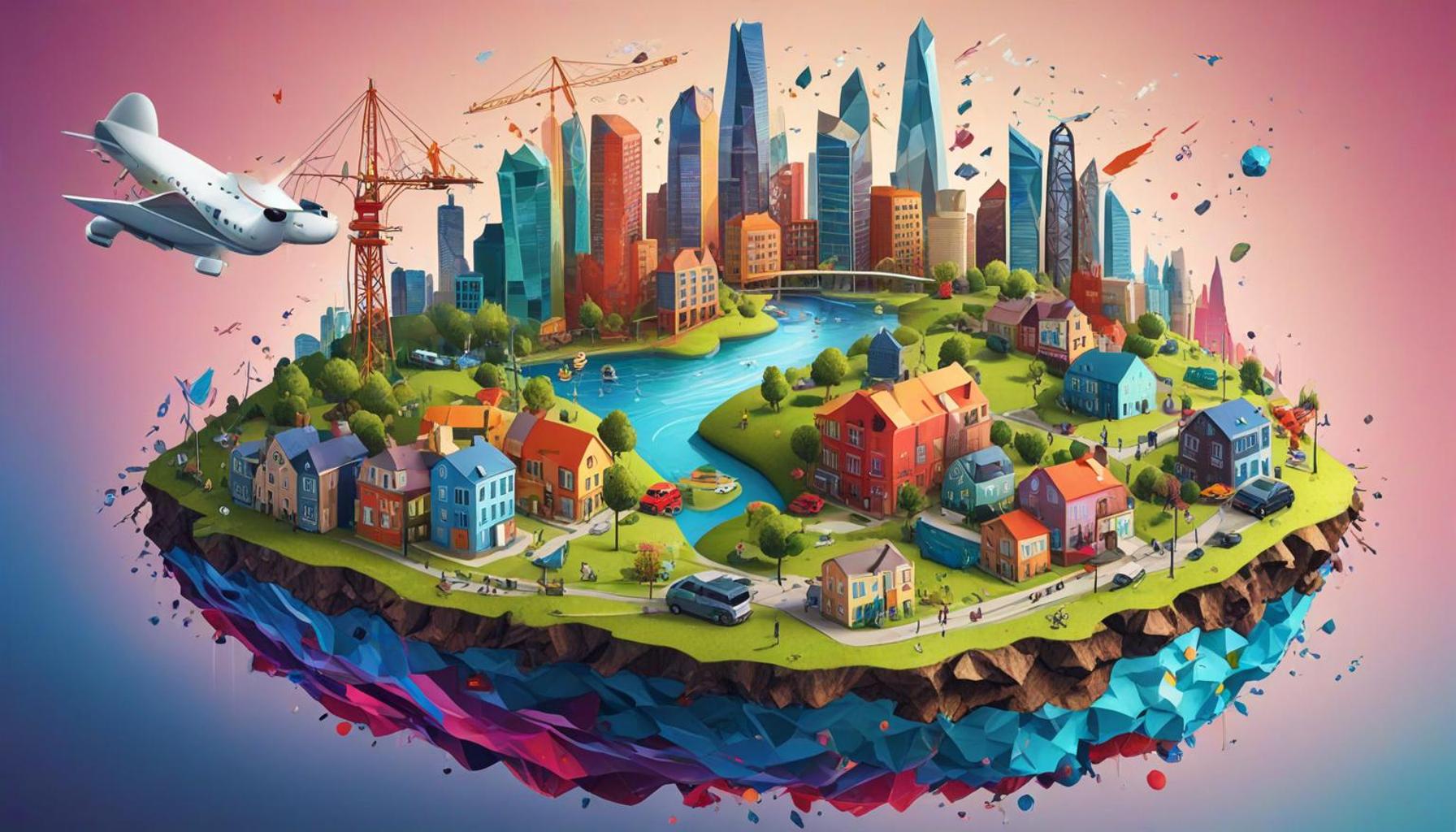
The Intersection of Art and Finance: Investing in Cultural Heritage
Historical Context
Throughout history, the interplay between art and finance has been both intricate and revealing. Not only has it informed individual fortunes, but it has also greatly influenced the collective economic landscape of societies. For instance, during the Medici era in Renaissance Florence, we witnessed a paradigm shift where wealthy patrons invested heavily in the arts, believing that supporting culture would heighten their societal status and legacy. This patronage system spurred a creative explosion that produced iconic artists like Leonardo da Vinci and Michelangelo, showcasing how financial investment in culture can redefine societal norms.
Significant Historical Events
One cannot overlook the profound impact of the Dutch Golden Age on the value of art as a financial asset. In the 17th century, the rise of mercantilism led to the flourishing of art as both a means of social expression and a lucrative investment. Artists like Rembrandt and Vermeer became household names, with their works fetching astronomical prices at auction, thus making art a symbol of wealth. The paintings served not just as decoration but also as conversations on economic prosperity, establishing a lasting legacy still observed today in auctions worldwide.
The financial landscape took an even more intriguing turn during the 2008 Financial Crisis. While traditional investments faltered—housing markets plummeted and stock markets saw significant declines—the art market experienced a remarkable surge. For example, the sale of contemporary artists such as Damien Hirst reached new heights, indicating that collectors viewed art as a more stable investment during turbulent times. This paradox highlighted the resilience of the art market and allowed it to emerge as a viable asset class, especially in the eyes of those wary of traditional investments.
Current Market Trends
Today, the rise of digital art and Non-Fungible Tokens (NFTs) represents a revolutionary shift in how we perceive art’s value. Artists now have unprecedented avenues to monetize their work, leading to an expansion of the market that attracts not just collectors but also tech-savvy investors. For instance, the blockbuster sale of an NFT by digital artist Beeple for $69 million at Christie’s stunned the world and confirmed that digital assets could transform the very nature of art investment.
Preserving Cultural Heritage
As the UK continues to support artistic initiatives, it becomes increasingly crucial to grasp the economic advantages that investing in culture can present. Lessons learned from historical and contemporary events underline that art investment does not merely serve a financial purpose; it also fosters a sense of shared cultural heritage. Such investments ensure the preservation of our past while simultaneously propelling economic growth into the future. By comprehending the nuanced connections between art and finance, stakeholders can navigate emerging opportunities, effectively shaping a sustainable trajectory for the investment landscape in the years to come.
DISCOVER MORE: Click here to find out how to apply
The Evolution of Art as an Investment
The concept of investing in art is not a modern phenomenon; rather, it has evolved significantly over the centuries, reflecting changing societal values and economic structures. Dominating the narratives of art investment are the figures of historical collectors and patrons who shaped their eras through their financial engagements. For example, the Renaissance saw influential figures like the Medici family transforming Florence into a hub of creativity and culture. They understood that by financing the arts, they were engaging in a form of investment that transcended mere monetary return, embedding their legacy into the very fabric of history.
In contrast, moving into the 18th century, the focus on art shifted with the rise of the Royal Academy in Britain. This institution not only showcased artistic talent but also laid the foundations for a burgeoning art market. Artists began to create works with the consciousness of their potential financial value. In this era, the first modern art collectors emerged, treating paintings not only as aesthetic objects but as valuable assets—much like stocks or land. This relationship between art and finance has further deepened, echoing through history and creating a precedent for today’s collectors.
Lessons from Economic Turbulence
The volatile financial landscapes of the 20th century provide crucial lessons regarding the resilience and transformation of the art market. During the Great Depression, while many businesses failed and investments faltered, artworks continued to hold their value. This period illustrated a phenomenon that would recoccur in later economic crises: art as a safe haven investment. Wealthy individuals turned to art as a means of preserving their wealth, understanding its potential for appreciation even amid economic downturns.
Fast forward to the Covid-19 pandemic, and we once again observed a similar trend. The art market adapted, with online auctions skyrocketing, granting collectors global access pieces that had previously been confined to physical galleries. The ability to leverage technology for buying and selling art dramatically reshaped the investment landscape. Achieving record sales for artists such as Banksy and Yayoi Kusama during a time of uncertainty reinforced the notion that art transcends traditional economic frameworks. Investors began to realise that their engagement with art was not solely about financial gains but also about cultural contribution and preservation.
Rethinking Cultural Investments
- Art as Economic Catalyst: Investing in cultural institutions can stimulate local economies, create jobs, and enhance tourism.
- Preservation Efforts: Financial backing for cultural heritage sites ensures their survival for future generations.
- Community Engagement: Art investment fosters community development and revitalises urban areas.
Today, as the UK seeks to redefine its cultural strategy, the lessons gleaned from art investment history offer invaluable insights. Capitalising on the significance of cultural heritage not only sustains artistic expression but can also serve as a robust foundation for economic resilience. By examining the links between financial decisions and cultural investments, stakeholders can innovate and invigorate the art market, paving the way for a future where finance and culture walk hand in hand, enriching society as a whole.
DIVE DEEPER: Click here to learn more
Contemporary Art Market Dynamics
The art market today bears the imprint of historical precedents while grappling with modern complexities. The rise of contemporary art as a legitimate investment avenue has prompted a reevaluation of previous notions of value. Unlike traditional art forms that often carry identifiable cultural heritage, contemporary works frequently challenge established paradigms, rendering the assessment of their worth a tantalisingly elusive task.
Market indicators such as auction records can provide insight into artist valuation. The works of contemporary artists, from the likes of Damien Hirst to Tracey Emin, demonstrate how current trends in aesthetics, critical discourse, and societal relevance dramatically influence market dynamics. Historical art investing often emphasised period-specific craftsmanship and historical context; however, today’s investors are increasingly focused on the narrative behind the work, the artist’s brand, and even social issues the pieces may address. This shift encourages collectors and investors alike to engage in the socio-political ramifications of their acquisitions while simultaneously assessing their potential financial returns.
Tangible and Intangible Benefits of Art Investment
Investing in art transcends the confines of financial aspirations; it fosters a multitude of tangible and intangible benefits. On a societal level, such investments can act as catalysts for profound cultural dialogue. They bear the potential to elevate underrepresented voices—an essential consideration when building a diverse collections portfolio. The UK’s Creative Industries, which contribute approximately £114 billion to the economy, underscore this significant intersection of art and finance, revealing how culture can drive economic value.
Moreover, art investment is proving to align with the increasing demand for sustainable finance. Investors are becoming progressively aware of their ethical responsibilities in selecting which artworks and artists to support. There is a growing trend of funds being directed towards socially responsible investments that empower cultural narratives rather than exploit them. The rove of technology in this realm cannot be overlooked; platforms enabling fractional ownership of high-value artworks are reshaping access and democratizing the market, offering a unique avenue for average investors to partake in cultural investments historically reserved for the elite.
The Role of Institutions and Public Policy
The role of institutions, both private and public, is paramount in harnessing the potential of art as a financial and cultural asset. Museums and galleries serve as both cultural stewards and economic engines, necessitating sustained funding and support from government policies that recognize the intrinsic value of cultural heritage. In recent years, initiatives aiming to safeguard and promote the nation’s artistic legacy reflect an understanding of art as a driver of national identity and a catalyst for economic growth.
Investment in cultural heritage, supported by public policy frameworks, can enliven local economies and create thousands of jobs. The recent investment in the York Art Gallery’s expansion highlights how government support can invigorate local communities while preserving the cultural fabric of the region. By acknowledging the symbiotic relationship between finance and culture, stakeholders can forge an ambitious pathway where art investment becomes synonymous with both economic diversification and societal enrichment.
The continuous evolution of art as an investment serves as a reminder that finance and culture are inherently intertwined, beckoning us to embrace a holistic perspective that celebrates artistic expression while leveraging its economic potential.
DISCOVER MORE: Click here for a step-by-step guide
Conclusion
The vibrant tapestry of the art market presents an intricate interplay between financial ambitions and cultural legacy. Historically, the decisions made in financial realms—whether through royal patronages or the establishment of art funds—have significantly shaped artistic landscapes. Today, as the contemporary art market continues to evolve, it reflects the lessons learned from past economic endeavors, illustrating how cultural investments can stimulate not just individual fortunes but societal enrichment as well.
As we examine the modern landscape, it becomes evident that the intersection of art and finance demands a recalibration of values. With the advent of technology facilitating equitable access to high-value artworks, there exists an opportunity for a broader array of investors to engage in this once-exclusive realm. This democratization of art investment serves not only financial aims but also promotes cultural diversification, fostering a richer dialogue across communities.
Moreover, the ongoing support from institutions and public policy plays a critical role in sustaining the momentum of this dynamic relationship. The investment in cultural heritage initiatives, as seen through various governmental commitments across the UK, exemplifies a recognition that art is more than mere financial asset; it is a pillar of our national identity. As we move forward, let us tread thoughtfully, ensuring that our investments in art pave the way for profound cultural dialogue, broader inclusivity, and sustained economic vitality. In essence, by intertwining our financial aspirations with our cultural heritage, we cultivate a legacy that is enriching for both present and future generations.

Linda Carter
Linda Carter is a writer and financial expert specializing in personal finance and financial planning. With extensive experience helping individuals achieve financial stability and make informed decisions, Linda shares her knowledge on our platform. Her goal is to empower readers with practical advice and strategies for financial success.Linda Carter is a writer and financial expert specializing in personal finance and financial planning. With extensive experience helping individuals achieve financial stability and make informed decisions, Linda shares her knowledge on our platform. Her goal is to empower readers with practical advice and strategies for financial success.