Credit Cards: How to Choose the Best One for Your Needs
Navigating the Credit Card Landscape in Canada
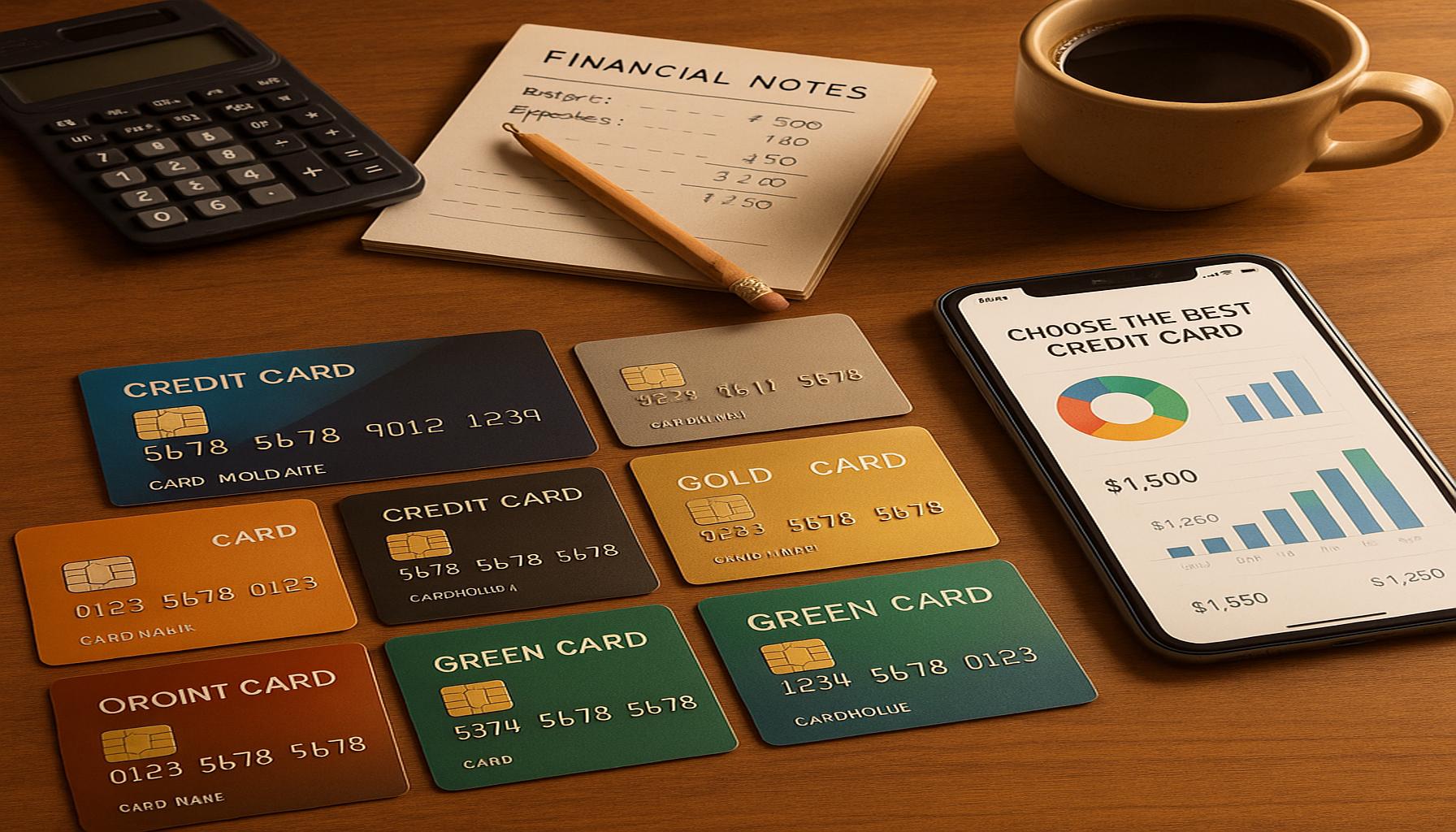
Choosing a credit card can feel overwhelming with the plethora of options available. In Canada, the right credit card can add tremendous value to your financial life, offering not just a means to spend, but also opportunities to earn rewards and manage expenses effectively. With numerous financial institutions vying for your attention, understanding the offerings becomes crucial to making an informed choice.
Understanding Reward Programs
Reward Programs: One of the most attractive features of certain credit cards is their reward programs. Different cards cater to different lifestyles; for instance, if you travel frequently, look for cards that offer travel rewards such as airline miles or hotel points. Many Canadian banks, like TD and RBC, have partnerships with airlines and offer substantial rewards for travel-related spending, making it easier for you to rack up points for your next vacation.
If everyday expenses are more your focus, consider options that provide cash back on purchases. For example, some cards offer up to 1.5% cash back on all purchases or different rates for categories like groceries or gas, which can significantly add up over time, creating more financial flexibility.
Evaluating Annual Fees
Annual Fees: Another important factor is the annual fee associated with the credit card. Some cards come with a hefty price tag, which might lead you to think they are not worth it. However, if these cards offer rich rewards or valuable benefits like travel insurance or concierge services, it may justify the cost. For example, the American Express Gold Rewards Card comes with a substantial annual fee but offers extensive points on various categories, which can easily offset the fee if leveraged correctly.
Interest Rates: A Critical Component
Interest Rates: Understanding the ongoing interest rates is also crucial when selecting a credit card. Rates can vary widely among different cards, with some offering promotional interest rates for the first few months. However, it is essential to be aware of what the rate will revert to after this period. Carrying a balance on a card with a high-interest rate can lead to overwhelming debt, turning that piece of plastic into a liability rather than an asset. For instance, cards may advertise attractive rates, but it’s advisable to read the fine print carefully.
Making an Informed Decision
With these considerations in mind, it’s important to evaluate your financial habits and priorities. Are you looking to save on travel, earn cash back, or establish a credit history? Each individual’s needs are unique. The process of selecting a credit card does not simply revolve around finding the card with the most appealing rewards but also involves assessing how those rewards align with your spending patterns.
Finally, take the time to compare different cards and their featured offerings to find one that aligns with your lifestyle and financial goals. Websites like Ratehub and NerdWallet provide tools that allow you to compare rewards, fees, and interest rates easily. With the right information at hand, you will be better equipped to choose a credit card that fits your unique needs, giving you confidence in your financial choices as you navigate life in Canada.
LEARN MORE: Click here to find out how to apply
Identifying Your Personal Needs and Spending Habits
Before jumping into the myriad options available for credit cards, it’s crucial to take a step back and evaluate your personal needs and spending habits. A credit card should be tailored to fit your lifestyle rather than forcing you to adapt to its terms. By understanding how you spend, you can align those habits with the card that offers the best value. Here are a few key factors to consider:
Spending Patterns
Spending Patterns: Start by examining your monthly expenses. Are you consistently spending a large portion of your income on groceries, travel, or dining out? Identifying these spending patterns can help direct you toward cards that maximize your rewards. For example, if you frequently order takeout or dine in restaurants, a card that offers enhanced rewards in dining categories may yield significant benefits. Alternatively, those who travel often could find more value in a travel rewards card that provides bonuses on flight bookings and hotel stays.
Credit Score Considerations
Credit Score: Understanding your credit score is a pivotal step in the credit card selection process. Different cards cater to varying credit score ranges. If your score is excellent, you may qualify for premium cards that offer luxurious perks, such as higher travel rewards and additional benefits, while those with a fair or good credit score may need to consider entry-level cards designed specifically for building credit. It’s wise to periodically check your credit report through services like Equifax or TransUnion to ensure you know where you stand before applying for a new card.
Types of Credit Cards
Types of Credit Cards: Knowing the types of credit cards available can further aid in your decision-making process. Here are some common categories:
- Cash Back Cards: Typically provide a percentage of cash back on purchases without complicated rules, making them ideal for everyday expenses.
- Travel Rewards Cards: Designed for frequent travelers, offering points for flights, hotel stays, and travel-related purchases.
- Balance Transfer Cards: Often feature lower introductory interest rates, suitable for users planning to transfer existing balances from other credit cards.
- Low-Interest Cards: Ideal for individuals who may carry a balance, these cards come with lower ongoing interest rates.
Understanding these types allows you to hone in on the category that best meets your financial goals and patterns. As you sift through available options, remember to keep your priorities front and center.
Long-term Financial Goals
Setting long-term financial goals also plays a crucial role in selecting a credit card. Are you looking to improve your credit score, save for a significant purchase, or plan for retirement? Each goal may influence the type of card you choose. For example, if you are focused on building credit, opting for a card that supports your credit journey without exorbitant fees can set you up for future financial successes.
In summary, identifying your personal needs and spending habits is essential in choosing the right credit card. By understanding where you spend the most, knowing your credit score, exploring various types of cards, and setting long-term goals, you can make a well-informed decision. Remember, the best credit card is one that not only fits your current lifestyle but also supports your journey toward achieving financial stability and growth.
LEARN MORE: Click here to dive deeper
Evaluating Features and Fees
Once you have established an understanding of your personal needs and spending habits, the next step in choosing the best credit card involves a thorough evaluation of the features and fees associated with potential options. Each card comes with its own set of offerings, and understanding these details can lead to better long-term satisfaction.
Annual Fees
Annual Fees: Many credit cards charge an annual fee, which can range from modest to premium amounts. Before committing, assess whether the card’s benefits outweigh this fee. Some high-end cards offer substantial rewards and perks, such as travel insurance, access to airport lounges, and concierge services, potentially justifying the annual cost. Conversely, if your spending habits don’t align with the card’s offerings, a no-annual-fee card may be more suitable. In Canada, numerous no-fee cards provide competitive cash-back options, making them a popular choice for many users.
Interest Rates and Grace Periods
Interest Rates: Understanding the annual percentage rate (APR) on the card is critical, especially if you anticipate carrying a balance. Look for cards with lower interest rates to minimize finance charges. Additionally, consider the grace period: most credit cards allow a period during which you can pay your balance in full without incurring interest. Familiarizing yourself with these terms can save you money and keep you from falling into debt.
Rewards and Incentives
Rewards and Incentives: Organizations offer various loyalty programs that can make a significant difference in your selection. If you opt for a cash back card, evaluate the cash back percentage – typically ranging from 1% to 5% for certain categories. But remember, examine the fine print to avoid missing any caps or restrictions. Alternatively, travel rewards cards often offer sign-up bonuses, which can significantly enhance your accumulated points in the first few months. For Canadian travelers, airlines such as Air Canada and WestJet offer their own co-branded cards that provide extra miles for purchases, making travel more accessible and affordable.
Additional Perks and Protection Features
Additional Features: Various credit cards provide added features and services that could tip the scale in favor of one option over another. Look for perks such as purchase protection, extended warranties, price matching, and rental car insurance. Furthermore, identity theft protection and fraud monitoring services are essential in today’s digital age and can offer peace of mind.
In Canada, some cards also offer features geared towards the local market, such as loyalty points that can be redeemed for groceries or fuel. This may align perfectly with your spending habits if you frequently purchase these daily essentials.
Customer Service and Support
Customer Support: The level of customer service is another element to consider. Research online reviews to gain insights into how a card issuer handles customer complaints and resolves issues. Exceptional customer service can make a significant difference, particularly when you face any disputes or need assistance regarding your account. Choosing a card with a reliable customer support system can ensure that help is readily available when it’s needed most.
When making your decision, take the time to compare various cards’ features, fees, and benefits side by side. This comprehensive approach will empower you to select a credit card that not only fits your current needs but also enhances your financial well-being in the long run.
DISCOVER MORE: Click here to learn about tax planning and foreign investment
Conclusion
In an age where plastic reigns supreme, choosing the right credit card is more than just picking the one with the flashiest design. It’s essential to look beyond the marketing and evaluate your financial habits and needs. By taking into consideration factors such as annual fees, interest rates, and rewards programs, you can find a card that aligns well with your lifestyle and spending patterns.
Moreover, additional perks like purchase protection and travel insurance can greatly enhance the value of your chosen card, making it a tool for not only managing expenses but also providing peace of mind. In Canada, consider local offerings that cater to your everyday needs, such as cash-back rewards on groceries or fuel, which can translate into tangible savings.
Importantly, don’t underestimate the value of customer support. A credit card issuer that provides reliable assistance can be invaluable during unexpected situations. Ultimately, the goal is to empower yourself with the right financial tools that contribute positively to your life. As you embark on this journey, remember to conduct thorough research, read customer reviews, and use comparison tools to ensure you make an informed choice. With the right card in hand, you can enjoy not just the rewards, but also the financial flexibility that helps you reach your goals.
Related posts:
The Impact of Credit Cards on the Financial Health of Canadians
Apply for National Bank ECHO Cashback Mastercard Step-by-Step Guide
How to Apply for the AMEX SimplyCash Preferred Card from American Express
How to Apply for the NEO Credit Card Quick Easy Guide 2023
How to Apply for the AMEX Marriott Bonvoy American Express Credit Card
How to Apply for the TD Cash Back Visa Infinite Credit Card

Linda Carter is a writer and financial expert specializing in personal finance and financial planning. With extensive experience helping individuals achieve financial stability and make informed decisions, Linda shares her knowledge on our platform. Her goal is to empower readers with practical advice and strategies for financial success.