Practical Tips to Reduce Monthly Expenses and Improve Your Budget
The Financial Landscape
In an era characterized by economic fluctuations and increasing living costs, managing finances effectively is more essential than ever. Canadians from all walks of life are continuously on the lookout for practical solutions to enhance their financial situation. By adopting a few straightforward strategies, you can drastically reduce monthly expenses while simultaneously boosting your savings, creating a cushion for future needs or undesired emergencies.
Analyzing Your Spending Habits
The first step toward effective financial management is to conduct a thorough analysis of your current spending habits. Begin by tracking your expenses for a month—this will shed light on where your money is going and which areas could benefit from adjustment. Here are some key categories to scrutinize:
- Grocery Shopping: Meal planning is crucial in this area. By planning meals and creating a shopping list, you can avoid unnecessary impulse buys. It’s also helpful to look for store flyers or utilize price comparison apps which are widely available in Canada, such as Flipp or Reebee, to find the best deals.
- Utilities: Reducing your utility bills can save a substantial amount over time. Simple actions such as turning off lights in unused rooms, using energy-efficient LED bulbs, and unplugging devices when not in use can lead to noticeable savings. Additionally, consider a home energy audit to uncover more opportunities for efficiency.
- Subscriptions: With the prevalence of streaming services, magazines, and other subscription-based tools, it’s easy to forget about recurring payments. Take the time to review your subscriptions—cancel those that you rarely use or explore sharing accounts with family or friends to cut costs.
Small Changes, Significant Impact
Embracing small, deliberate changes can yield impressive results over time. For instance, switching to a more competitive phone plan that better meets your needs can save you hundreds annually—companies like Public Mobile or Freedom Mobile sometimes offer promotional rates that merit consideration. Similarly, refinancing high-interest loans, such as student or personal loans, can lower monthly payments and reduce overall interest paid.
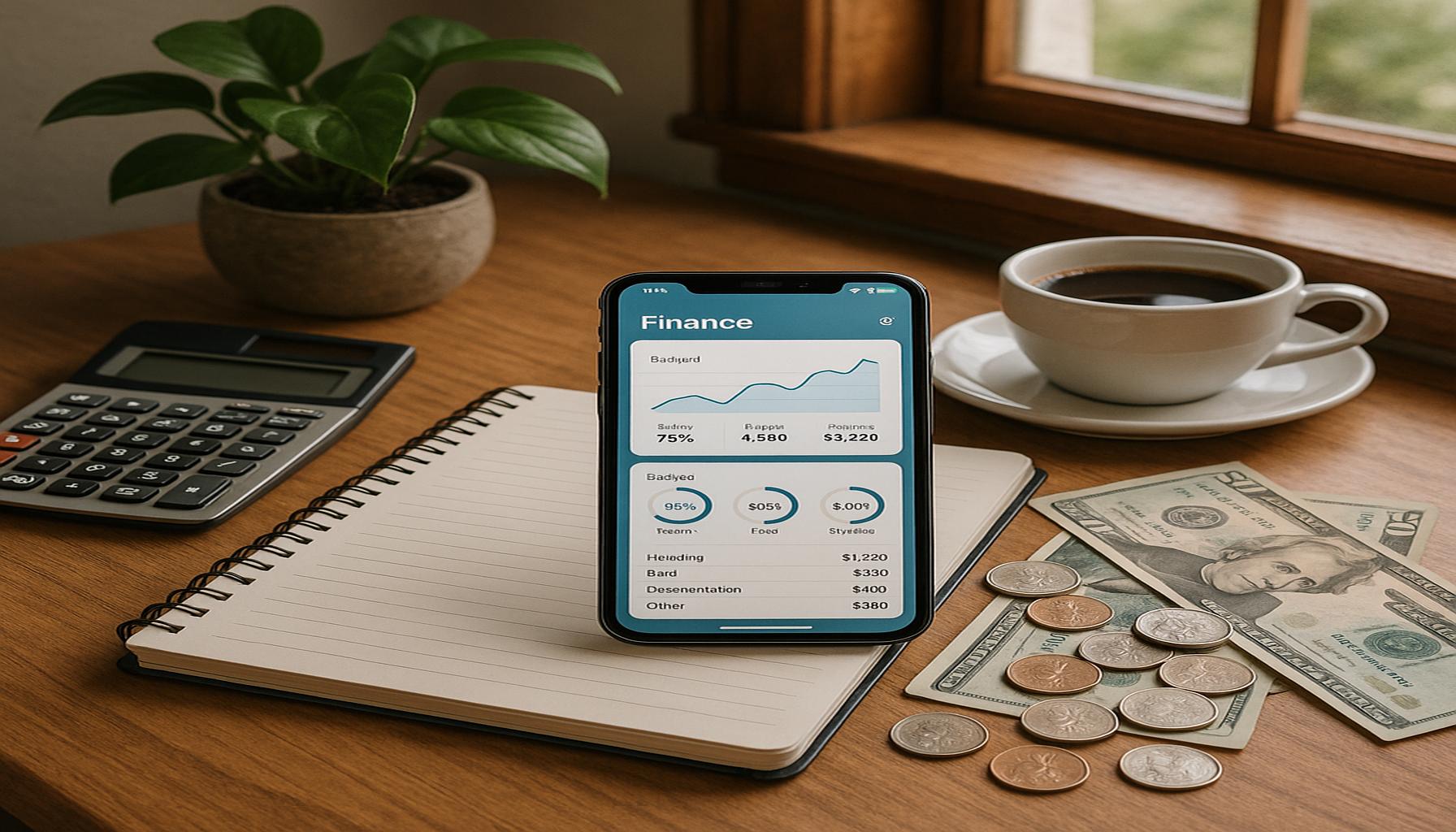
Moreover, utilizing budgeting tools and apps can streamline your financial tracking. Tools like Mint or YNAB (You Need A Budget) allow you to see your spending patterns and provide insights on how to optimize your finances further.
Informed Choices for a Healthy Financial Future
Redefining your financial landscape is not solely about cutting costs; it’s about making informed choices that lead to a healthier financial outlook. Adopting a proactive mindset toward budgeting is key—this can involve setting specific financial goals, such as saving for a vacation or building an emergency fund. By diligently implementing just a few of these strategies, you can set yourself on a path toward financial stability and freedom.
In conclusion, understanding where your money goes and finding opportunities for savings can make a significant difference in your financial health. Canada’s diverse lifestyle means there are many options at your disposal to manage your expenses effectively, resulting in a brighter financial future for you and your loved ones.
LEARN MORE: Click here for details on applying for the Amex Aeroplan card
Effective Strategies for Expense Management
When it comes to managing your monthly budget, understanding the nuances of where you spend your money can illuminate paths to savings you may not have considered. By meticulously evaluating your expenditures, you can identify patterns and trends that reveal potential areas for reduction. The idea is not just to cut costs but to do so wisely while still enjoying the quality of life you desire.
One approach is to segment your spending into fixed and variable categories. Fixed expenses, such as rent or mortgage payments, insurance, and loan repayments, are relatively stable each month. In contrast, variable expenses—like groceries, dining out, and entertainment—are where you can often find the most room for improvement. Here are several strategies to help streamline your variable expenses:
- Dining Out: Eating out can easily drain your budget. Try setting a monthly limit for dining out and explore alternatives like hosting a potluck with friends or discovering new recipes to prepare at home. Cooking in larger batches can also help you save, as preparing meals for the week can reduce the temptation to order takeout.
- Transportation: Whether you drive a vehicle or rely on public transit, transportation costs can accumulate quickly. Consider carpooling with colleagues or utilizing public transit. If feasible, biking or walking to nearby destinations is not only cost-effective but also promotes a healthier lifestyle.
- Impulse Purchases: Retail therapy can lead to unintentional overspending. To combat this, implement a “24-hour rule” where you wait a day before purchasing non-essential items. This simple strategy often leads to reevaluating whether you truly need the item.
A recent survey revealed that Canadians waste hundreds of dollars annually due to impulse buying and lack of planning. By adopting a more structured approach to your spending, you can reclaim those lost funds and redirect them toward savings or debt reduction.
Furthermore, consider leveraging technology to assist you in managing your budget. Many mobile applications are designed to not only track expenses but also to remind you of upcoming bills and renewals. Take advantage of budgeting tools like this to maintain awareness of your financial situation, making it easier to adjust as needed.
It’s also wise to set aside a small portion of your paycheck specifically for unexpected expenses. Even a modest rainy day fund can provide a sense of security, alleviating the struggles that arise from unforeseen costs. Having this buffer can prevent you from relying on credit cards or loans, which can lead to compounding debt.
By implementing these effective strategies into your financial routine, you’ll find yourself better equipped to manage your monthly budget successfully. Savings don’t have to be monumental to be impactful; even modest changes to your spending habits can create significant progress over time.
DIVE DEEPER: Click here to learn more about evaluating risks and returns</a
Mindful Budgeting: Tactics to Enhance Financial Wellness
As you delve deeper into refining your budget, another critical aspect to consider is the principle of mindful spending. This concept emphasizes the importance of deliberate decision-making when it comes to financial choices. By practicing mindfulness in your expenditures, you can more clearly see the value of what you spend your funds on, ultimately leading to less waste and more savings.
One way to foster mindful spending is to regularly review your subscriptions and memberships. In today’s digital age, it’s easy to accumulate multiple streaming services, fitness memberships, and delivery apps that can begin to haunt your bank statement. Take the time to assess these subscriptions; do you regularly utilize all of them? By canceling those that no longer serve a purpose, you can reclaim a portion of your monthly budget. Many people in Canada find that they have several dormant subscriptions, and eliminating just a few can lead to significant savings.
Utility Bills: Another area where you can practice mindful budgeting is with your utility bills. Small changes in your daily habits can lead to reduced energy consumption. For instance, turning off lights when not in use, or replacing traditional light bulbs with energy-efficient LED options can yield immediate benefits. Additionally, conducting a yearly energy audit of your home or consulting with your provider about energy-saving programs can lead to further reductions in costs.
Additionally, consider consolidating your bills where possible. Instead of having numerous service providers, look for bundle packages that provide discounts for combining services like internet and mobile plans. Many Canadian providers offer competitive pricing on such bundles which not only simplifies your financial tracking but also reduces your monthly outlay.
Shopping Smart: When it comes to grocery expenses, consider planning your shopping around sales and seasonal produce. Using flyers or apps to track weekly deals can lead you to fantastic savings. Moreover, developing a grocery list and sticking to it can significantly curb unnecessary impulse purchases while ensuring that you buy only what you need. Implementing a weekly menu based on what’s on sale can also transform your grocery shopping experience while keeping costs in check.
- Buy in Bulk: Purchasing staple items in bulk can save you money in the long run, especially non-perishables. Look for warehouse stores that often offer discounts for bulk purchases, which is a great strategy in areas with larger families or for those who have ample storage space.
- Use Cash Back and Rewards: Engage in cash-back programs or apps that reward you for everyday purchases. Just ensure you understand the terms to maximize your benefits without overspending to earn them.
Don’t overlook your entertainment budget either. Free local events, community fairs, and outdoor activities are plentiful across Canada, especially during the summer. Explore what your community has to offer. Engaging with local festivals, parks, and activities can provide entertainment without the price tag attached to commercial events.
Investing time in understanding your financial habits and making small adjustments can pave the way for greater savings. When combined with proactive approaches to budgeting and spending, you’re setting a foundation for not just temporary relief from financial strain, but for long-term financial health. By embedding the concept of mindful budgeting into your routine, you can enjoy a more secure financial future while also enhancing your quality of life.
DISCOVER MORE: Click here to learn how to apply for the Amex SimplyCash Card</p
Conclusion
As you journey through the maze of personal finance, it’s vital to remember that reducing monthly expenses and enhancing your budget is an ongoing endeavour that calls for attention and commitment. By adopting mindful spending habits, you can take significant strides toward securing your financial well-being. Regularly assessing your subscriptions and memberships ensures that you’re not paying for services that no longer add value to your life. Furthermore, implementing tactical changes to lower your utility bills and exploring bundled service options can yield substantial savings over time.
Shopping smartly is an art in itself. Armed with a grocery list, tracking sales through flyers, and considering bulk purchases will not only keep you on budget but also provide the satisfaction of making informed choices. Let’s not forget the wealth of free entertainment opportunities available in Canada—from community fairs to outdoor festivals that enrich your life without taxing your finances.
Ultimately, embarking on this financial journey equips you with the necessary skills to cultivate a balanced budget. The essence of budgeting lies not just in restricting your spending, but in embracing choices that resonate with your core values and lifestyle. This proactive approach encourages a sense of empowerment over your finances. Remember, each small step you take towards refining your budgeting practices can compound, resulting in a brighter, more secure financial future. So, take charge today, and enjoy the rewards that come from maintaining a healthy budget.

Linda Carter
Linda Carter is a writer and financial expert specializing in personal finance and financial planning. With extensive experience helping individuals achieve financial stability and make informed decisions, Linda shares her knowledge on our platform. Her goal is to empower readers with practical advice and strategies for financial success.