Tax Planning for Self-Employed Professionals: Tips and Strategies in the Canadian Context
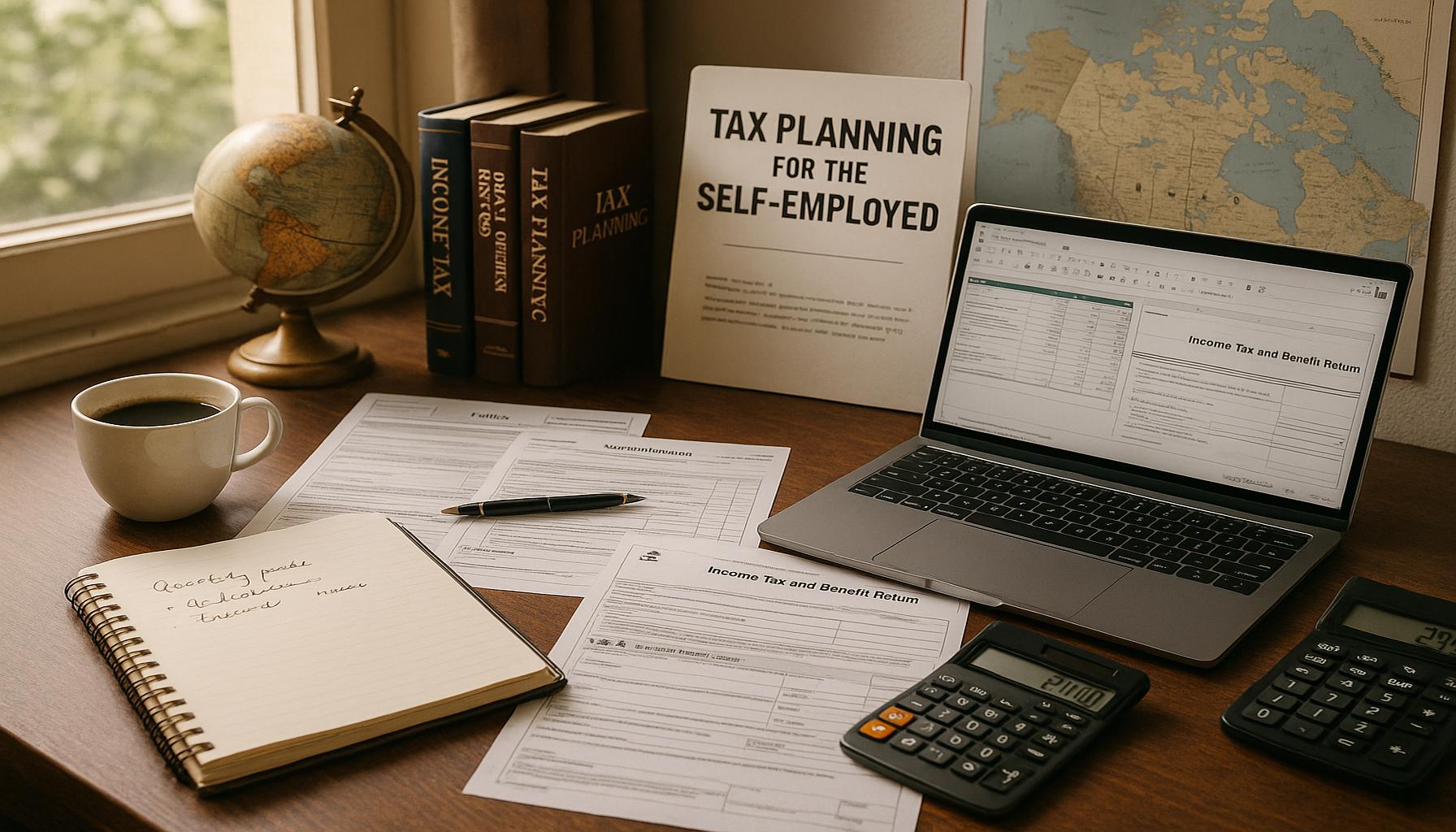
Navigating the world of finances as a self-employed professional in Canada can be a daunting task. Many individuals in this situation find themselves grappling with a range of challenges that complicate their financial planning. It is crucial to understand the intricacies of tax planning in order to comply with Canadian tax laws while maximizing your income potential. With the right strategies, you can significantly diminish your taxable income, paving the way for greater financial stability and savings.
Challenges Faced by Self-Employed Individuals
Self-employment comes with its own set of hurdles, particularly in terms of taxation. Understanding these challenges is the first step towards successful financial management.
- Variable Income: Unlike traditional salaried positions, self-employed individuals often experience fluctuations in income. This variability requires careful financial planning and budgeting. For instance, if you operate as a freelance graphic designer, earnings during peak seasons could be substantially higher than during lean periods. Establishing a savings buffer during high-earning months can help smooth out cash flow during slower times.
- Deductions: One of the advantages of being self-employed is the ability to claim various deductions, which can significantly lower your taxable income. Common deductible expenses include costs related to home office use, travel expenses, and professional development. For example, if you attend a conference to enhance your skills, those expenses can be deducted, thus reducing your overall tax liability.
- Filing Complexities: The process of filing taxes as a self-employed individual can be more complex than it is for employees. You must report your business income, and the rules regarding allowable expenses can be intricate. Familiarizing yourself with the guidelines set by the Canada Revenue Agency (CRA) can help mitigate confusion and ensure compliance.
Benefits of Effective Tax Planning
Implementing effective tax planning strategies can yield numerous benefits that improve your financial standing.
- Lower Tax Burden: By strategically identifying and claiming eligible deductions, self-employed individuals can significantly lower their tax obligations. This could mean the difference between reinvesting money into your business or facing financial strain.
- Retirement Savings: Planning for retirement is crucial, even for those who are self-employed. Utilizing options like an Individual Retirement Account (IRA) or a Registered Retirement Savings Plan (RRSP) allows you to save for the future while also receiving tax benefits, such as deferring taxes on your contributions.
- Better Cash Flow Management: Understanding your tax obligations enables you to make proactive financial decisions. Instead of scrambling at tax time, knowing your estimated payments can help you budget effectively throughout the year.
Conclusion
The journey towards proficient financial management as a self-employed professional in Canada need not be overwhelming. By employing strategic tax planning methods, you can not only navigate the complexities of tax regulations with ease but also empower yourself to take control of your financial future. This article aims to provide you with valuable tips and strategies tailored to the Canadian context, ensuring you can enjoy a tax-efficient and prosperous self-employment experience.
DISCOVER MORE: Click here for insights on credit cards and finances
Essential Tax Planning Strategies for Self-Employed Professionals
To effectively mitigate the challenges faced by self-employed professionals in Canada, implementing solid tax planning strategies is imperative. These strategies not only help in navigating tax complexities but also empower individuals to maximize their financial outcomes. Here are some essential approaches to consider:
- Keep Accurate Records: Maintaining precise financial records is the cornerstone of successful tax planning. You should keep track of all income sources and expenditures related to your business. Using accounting software can streamline this process, making it easier to categorize expenses and generate necessary reports. This organized approach facilitates seamless tax filing and ensures that you do not miss out on any potential deductions.
- Understand Your Deductions: As a self-employed individual, you have access to various deductions that can substantially lower your taxable income. Among the most common deductions are home office expenses, which may include a portion of your rent or mortgage, utilities, and internet costs. Additionally, travel expenses incurred for business purposes, such as transportation, lodging, and meals, can also be claimed. However, it is vital to keep detailed records and receipts to support your claims.
- Contribute to Retirement Savings Plans: Setting aside money for retirement is essential, and self-employed individuals have unique options available to them in Canada. Utilizing a Registered Retirement Savings Plan (RRSP) allows for tax deductions on contributions while simultaneously fostering long-term savings. This enables you to grow your retirement funds tax-deferred, which can be a significant advantage when planning for future financial security.
- Consider Incorporation: Depending on your income level and business type, incorporating your business may provide tax advantages. Incorporation allows for the distribution of income through dividends, which are generally taxed at a lower rate than personal income. Moreover, as an incorporated entity, you may have greater access to various tax deductions and benefits. However, it is essential to consult a tax professional or accountant to assess whether this route aligns with your business goals.
- Estimate Your Tax Payments: Self-employed individuals are required to pay taxes throughout the year, not just at the end of the fiscal year. Estimating your tax payments based on your income can help you avoid a financial crunch when tax season arrives. Setting aside a specific percentage of your earnings—usually around 25-30%—for taxes can ensure you are prepared and help in better cash flow management.
By employing these strategies, self-employed professionals can unlock the benefits of effective tax planning and make informed decisions to bolster their financial health. Understanding the nuances of your financial landscape is integral to achieving long-term success in your self-employed endeavors.
DON’T MISS: Click here to discover how to apply for the Amex Platinum Card
Leveraging Tax Credits and Incentives
In addition to the aforementioned strategies, self-employed professionals in Canada should actively explore available tax credits and incentives that can further reduce their tax liabilities. Government initiatives designed to support entrepreneurs can offer significant financial relief and enhance overall tax efficiency.
- Canadian Business Expenses Tax Credit: This credit can be a lifeline for self-employed individuals. It allows you to claim a portion of the expenses incurred while running your business, such as marketing, utilities, and certain operating costs. It’s crucial to understand the specific criteria that categorize expenses as eligible, and maintaining meticulous records will enhance your claims.
- Small Business Tax Rate: If you’ve incorporated your business, you may benefit from the lower small business tax rate, which applies to the first $500,000 of active business income. This rate is significantly lower than personal income tax rates, and utilizing the lower tax rate can enhance your business’s profitability. Understanding the thresholds for your province, such as Ontario or British Columbia, is critical for maximizing your benefits.
- Investment Tax Credits: Depending on your business type, investing in qualifying properties can open doors to investment tax credits. For instance, if you invest in machinery or equipment that is utilized for manufacturing or processing, you might be eligible for a substantial tax credit that reduces your overall tax payable. Researching eligible investments and the associated credits can yield substantial savings.
- Digital Game Tax Credit: For self-employed professionals in the creative industries, the Digital Game Tax Credit may provide significant tax relief. If your work involves creating video games, this credit allows you to claim a portion of eligible expenditures, including salaries and production costs. Consider consulting industry associations, as they often provide resources to help navigate these credits.
- Research and Development (R&D) Tax Incentives: Canada is known for its support of innovation, and self-employed professionals engaged in R&D activities can take advantage of the Scientific Research and Experimental Development (SR&ED) tax incentive program. This program encourages businesses to invest in innovation by allowing them to claim credits for eligible R&D expenditures. Understanding the criteria for these claims and the documentation required can open avenues for significant refunds and credits.
Integrating these tax credits and incentives into your overall tax planning strategy can maximize your benefits and enhance your financial outlook. Staying informed about changes in tax legislation and available credits is vital, as these can evolve and impact your financial strategies significantly. Self-employed professionals must not only ensure compliance but also actively advocate for their financial interests within the umbrella of available governmental support.
Utilizing Professional Advice
Lastly, one of the most impactful tax planning strategies for self-employed individuals is seeking professional advice. Navigating the Canadian tax landscape can be daunting, given the constantly evolving laws and regulations. Engaging a qualified accountant or tax professional who specializes in self-employment tax issues can provide the clarity needed to make informed decisions. A tax expert can help identify all deductions and credits available to you and assist in effective structuring of your finances to minimize tax liabilities.
Moreover, professional advisors can offer insights into effective tax deferral strategies, succession planning if you intend to pass your business on, and the implications of changing your business structure. They can also help you avoid costly mistakes, simplifying the tax return process and potentially revealing opportunities you’d otherwise overlook. In the rapidly shifting Canadian economic climate, having a solid partnership with a tax professional can be invaluable.
DIVE DEEPER: Click here to learn how to apply
Conclusion
In conclusion, effective tax planning is essential for self-employed professionals in Canada who seek to optimize their financial standing and ensure compliance with tax regulations. By understanding the various deductions available, such as the Canadian Business Expenses Tax Credit and the advantages of the small business tax rate, individuals can significantly reduce their taxable income. Additionally, tapping into specific tax credits like the SR&ED incentive or the Digital Game Tax Credit can foster greater financial flexibility and innovation.
Moreover, as tax laws continue to evolve, staying informed is critical. This is where the expertise of professional advisors becomes invaluable. A qualified tax professional can not only help navigate the complexities of the Canadian tax system but also identify opportunities and strategies tailored to individual circumstances. Whether it’s structuring your business for tax efficiency or planning for the long term, their guidance can safeguard your financial health and pave the way for sustainable growth.
Ultimately, proactive tax planning empowers self-employed professionals not only to navigate their immediate tax liabilities but also to build a solid foundation for the future. By embracing these strategies and seeking expert assistance, you’ll be equipped to maximize deductions, capitalize on available incentives, and thrive in the competitive Canadian landscape. Remember, successful tax planning is not just about meeting obligations; it’s about leveraging every opportunity to enhance your business’s financial potential.

Linda Carter
Linda Carter is a writer and financial expert specializing in personal finance and financial planning. With extensive experience helping individuals achieve financial stability and make informed decisions, Linda shares her knowledge on our platform. Her goal is to empower readers with practical advice and strategies for financial success.