Tax Planning Strategies for Small Businesses in Canada
Understanding Tax Planning for Small Businesses
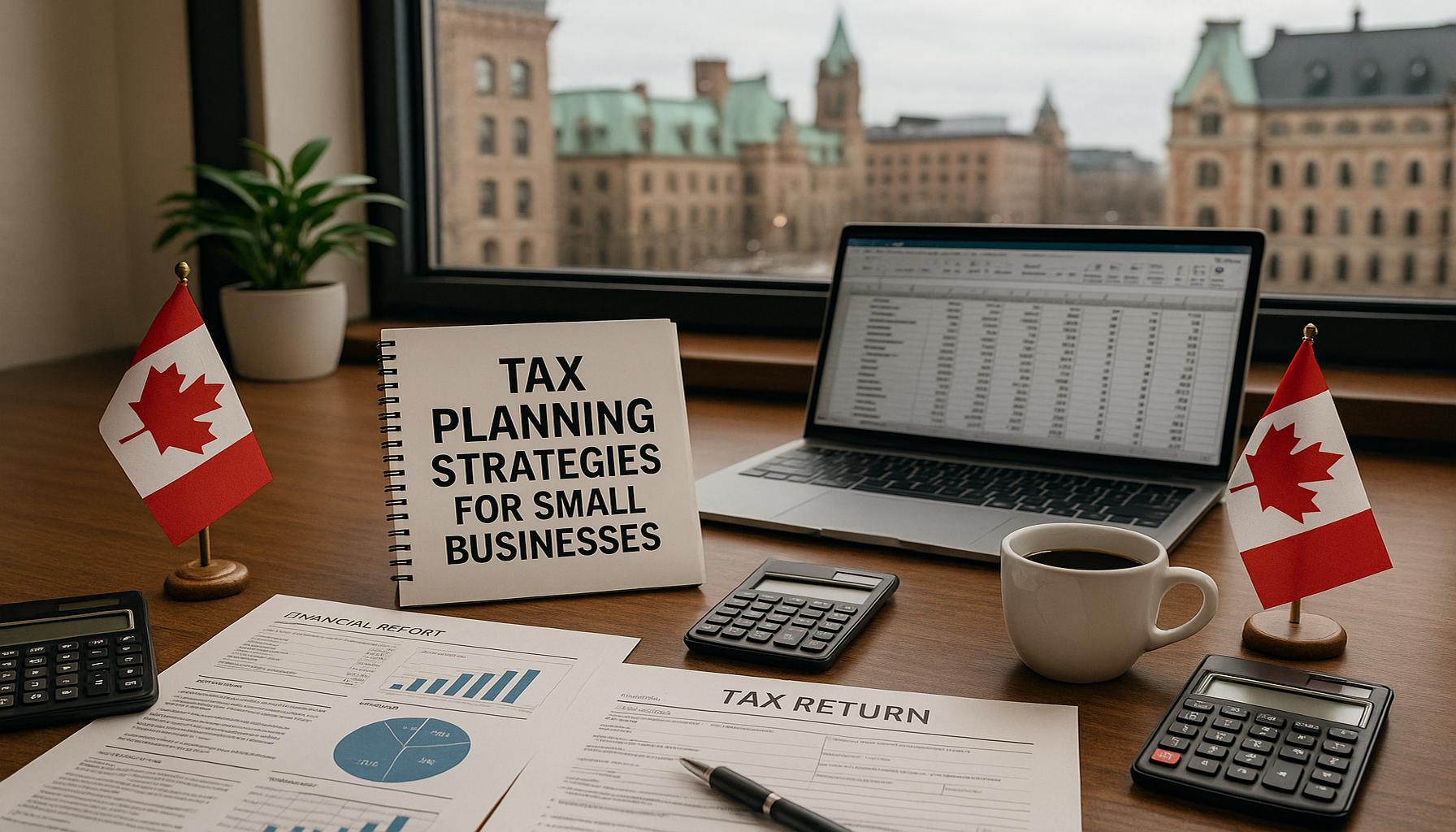
For small businesses in Canada, effective tax planning plays a fundamental role in shaping financial health and ensuring sustainability. Entrepreneurs often face the daunting task of navigating the intricate tax landscape, where various regulations and opportunities can significantly affect their operations. By developing a comprehensive understanding of available strategies, business owners can actively minimize their tax liabilities and maximize their potential for growth and success.
One of the most crucial aspects of tax planning involves utilizing deductions. Canadian business owners should meticulously track and claim all eligible deductible expenses, which can substantially reduce taxable income. For instance, if a small business operates from a home office, costs associated with that space—including a portion of utilities, internet service, and maintenance—can often be deducted. Similarly, wages paid to employees and costs incurred for day-to-day operations, such as inventory purchases or marketing expenses, can also fall under allowable deductions. This not only lightens the tax burden but also enhances the overall cash flow, providing essential resources for reinvestment.
Another pivotal strategy is choosing the right business structure. Each type, whether it be a sole proprietorship, a partnership, or a corporation, carries distinct tax implications. For instance, corporations are subject to different tax rates and may benefit from a lower tax burden through the Small Business Deduction, while sole proprietors report business income on their personal tax returns, potentially placing them in a higher tax bracket. By assessing these structures in light of their specific financial situations and growth ambitions, business owners can strategically select the option that aligns best with their goals.
The exploration of tax credits offers further avenues for financial relief. Many small businesses may be eligible for various credits that directly reduce the amount of tax owed. For example, the Scientific Research and Experimental Development (SR&ED) tax credit incentivizes innovation by reimbursing businesses for eligible research expenditures. Additionally, credits aimed at supporting hiring, training, or specific industries can further offload financial responsibilities, allowing entrepreneurs to focus on scaling their operations.
These tax strategies not only support immediate financial health but also foster long-term viability. It is essential for business owners to acknowledge the importance of regularly reviewing and adjusting their tax planning strategies to adapt to changing regulations and business conditions. Such proactive management ensures compliance with Canadian tax laws while optimizing the advantages available to them.
As we delve deeper into each of these strategies, small business owners will gain essential insights to help them navigate the complex world of tax planning. By engaging with these elements, businesses can equip themselves with the knowledge necessary to make informed decisions, fostering a secure financial future while minimizing their overall tax burden.
DISCOVER MORE: Click here to learn how to apply
Key Strategies for Effective Tax Planning
To effectively navigate the complexities of taxation, small business owners in Canada can benefit from several strategic approaches. Implementing these strategies not only simplifies compliance but also enhances profitability. Below are some core elements that contribute to a robust tax planning framework for Canadian small businesses.
1. Maximizing Deductions
The first step in any tax planning strategy is to maximize deductible expenses. Canadian tax law allows business owners to deduct a range of expenses incurred during the course of running a business. These can include:
- Operating Expenses: Day-to-day costs like utilities, office supplies, and rent.
- Vehicle Expenses: If a vehicle is used for business purposes, a portion of gas, maintenance, and insurance can be deducted.
- Travel and Meals: Expenses related to business travel and 50% of meals and entertainment costs with clients are typically eligible for deductions.
- Professional Fees: Fees paid to accountants, lawyers, and other professionals for services that directly relate to the business operations can also be deducted.
By diligently tracking these expenditures and maintaining accurate records, small business owners can significantly lower their taxable income, leading to substantial tax savings.
2. Choosing the Right Business Structure
The choice of business structure is essential in the Canadian tax realm, as it affects how income is taxed. Entrepreneurs should consider the following:
- Sole Proprietorship: This structure is easy to set up but may result in higher personal tax rates, as all profits are added to the owner’s personal income.
- Partnership: Income is divided among partners and taxed at their individual rates, which may be advantageous for some.
- Corporation: Incorporating a business may reduce tax burdens due to lower corporate tax rates and the Small Business Tax Deduction. Additionally, corporations can retain earnings to reinvest back into the business.
Understanding the implications of each structure allows business owners to choose one that aligns with their financial goals while maximizing tax efficiency.
3. Exploring Tax Credits
Tax credits can provide substantial savings, allowing small businesses to offset their tax obligations directly. Some noteworthy credits available to Canadian small businesses include:
- Scientific Research and Experimental Development (SR&ED) Credit: This credit supports innovation in Canada by allowing businesses to claim deductions for eligible R&D expenses.
- Investment Tax Credit: Businesses investing in certain assets, like technology, may qualify for credits that lower their overall tax burden.
- Hiring Incentives: Various provincial and federal programs offer credits for hiring specific groups such as youth or individuals with disabilities.
By actively seeking out available tax credits, small business owners can considerably reduce their tax burden, freeing up capital for other strategic initiatives.
In conclusion, implementing effective tax planning strategies such as maximizing deductions, selecting the right business structure, and exploring tax credits is vital for small businesses in Canada. By adopting these approaches, entrepreneurs can not only navigate the tax landscape with ease but also build a solid financial foundation that supports long-term growth and sustainability.
CHECK OUT: Click here to learn how to apply
Advanced Tax Planning Considerations
As small business owners in Canada become more familiar with basic tax planning strategies, they can turn their attention to more advanced techniques that can lead to further tax savings and financial efficiency. These strategies often require a keen understanding of tax legislation or collaboration with tax professionals to ensure compliance and optimal benefit.
4. Income Splitting
Income splitting is a strategy that allows business owners to reduce their overall tax burden by distributing income among family members. In Canada, this can be particularly advantageous for family-owned businesses. For instance, if a business owner has a spouse or children who are in a lower tax bracket, they might assign part of the business income to those family members. This allocation can significantly lower the overall tax rate, as income is taxed at the lower individual rates of those family members. However, business owners should ensure that any income splitting is done in line with the rules set out by the Canada Revenue Agency (CRA) to avoid penalties.
5. Tax-Deferred Investments
Investing in tax-deferred instruments is another effective strategy for small businesses. Options such as Registered Retirement Savings Plans (RRSPs) or Tax-Free Savings Accounts (TFSAs) allow business owners and their employees to invest money that grows without being immediately taxed. Contributions to an RRSP can result in a tax deduction, potentially lowering the current year’s taxable income, while TFSA contributions do not offer a current deduction but allow tax-free growth within the account. By setting up these investment accounts, small businesses can foster savings that can be paramount for future expansions or operational goals.
6. Timing of Income and Expenses
Small businesses can enhance tax efficiency by strategically timing income and expenses. By deferring income to the following fiscal year while accelerating expenses into the current year, business owners can reduce taxable income in high-income years. This approach entails planning for cash flow and understanding how income reporting aligns with fiscal timelines. For example, a small business owner can invoice clients at the beginning of the next year instead of the end of the current year, thus postponing the tax implications of that income. Likewise, making necessary purchases, such as equipment or technology, before the year-end can yield immediate tax benefits by allowing those expenses to be deducted in the current year.
7. Utilizing Capital Cost Allowance (CCA)
The Capital Cost Allowance (CCA) is a tax incentive allowing businesses to depreciate the cost of qualifying assets like equipment, vehicles, or buildings over time. By applying this allowance correctly, small businesses can reduce taxable income substantially. The CCA can vary based on asset classes, so it is crucial for business owners to consult tax tables provided by the CRA to make informed decisions about which assets to purchase and how to maximize deductions. For example, if a small manufacturing company invests in new machinery that qualifies for a higher CCA class, it can accelerate its tax deductions, thereby improving cash flow.
By employing these advanced tax planning strategies, Canadian small business owners can not only navigate the intricacies of the tax system more effectively but also build a stronger financial groundwork that promotes growth and sustainability. Staying informed about changes in tax legislation and consulting with tax professionals can further enhance the benefits of these strategies, ensuring that small businesses remain competitive and financially sound in the long run.
DISCOVER MORE: Click here for the full guide
Conclusion
In conclusion, effective tax planning is essential for small businesses in Canada as it not only aids in minimizing liabilities but also maximizes available resources for growth and development. By leveraging strategies such as income splitting, tax-deferred investments, and careful management of income and expenses, business owners can create a robust financial framework that withstands the pressures of an evolving marketplace.
Additionally, recognizing the value of the Capital Cost Allowance (CCA) enables entrepreneurs to optimize asset depreciation and enhance cash flow. Engaging in these advanced strategies allows small businesses to remain agile, making it possible to seize opportunities that can significantly benefit their operations.
As tax regulations continue to change, staying proactive and informed is crucial. Business owners are encouraged to build strong relationships with tax professionals who can offer personalized guidance tailored to their specific circumstances. By doing so, small businesses can not only navigate the complexities of tax legislation but also position themselves for long-term success.
Ultimately, adopting a strategic approach to tax planning can lead to significant savings and sustainability, empowering small business owners in Canada to thrive in an increasingly competitive landscape. Embracing these tax strategies is not merely a financial exercise but a vital component of entrepreneurial resilience and growth.
Related posts:
International Tax Planning: Opportunities and Challenges for Canadian Companies
The Role of Tax Planning in Attracting Foreign Investment to Canada
Tax Planning Strategies to Maximize Personal Wealth
Advanced Tax Planning Techniques for Professionals in the Canadian Landscape
Impacts of Tax Planning on the Financial Sustainability of Startups
How Changes in Canadian Tax Legislation Impact Corporate Tax Planning

Linda Carter is a writer and financial expert specializing in personal finance and financial planning. With extensive experience helping individuals achieve financial stability and make informed decisions, Linda shares her knowledge on our platform. Her goal is to empower readers with practical advice and strategies for financial success.