The Dangers of Indebtedness: Stories of Canadians Who Struggled with Excessive Credit Card Use
Understanding the Challenge of Credit Card Debt in Canada
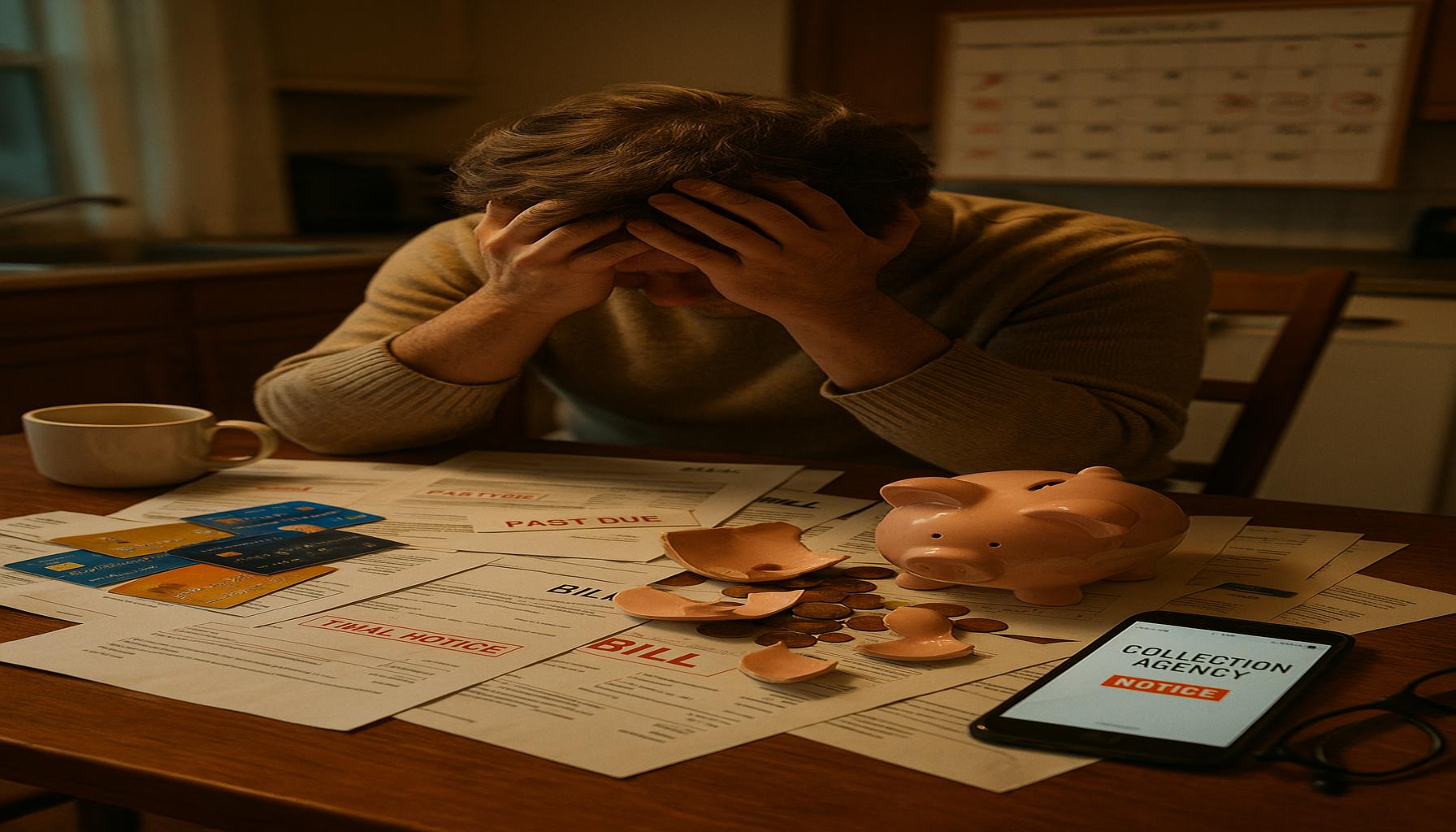
The reality of financial management in Canada is often overshadowed by consumer convenience and the pressing desire for instant gratification. With credit cards readily available, many Canadians find themselves easily tempted into overspending, which can lead to overwhelming credit card debt. Each year, the struggle against this mounting burden becomes more pronounced, affecting not just individual finances but also broader societal trends.
The Problem of Rising Debt Levels
Rising debt levels have become a significant concern in Canada. According to recent reports, the average Canadian household debt has reached alarming levels, with many individuals turning to credit cards to manage everyday expenses such as groceries, utilities, and transportation. This reliance often creates a precarious financial situation. For example, in urban centers like Toronto and Vancouver, the high cost of living makes it especially difficult for residents to avoid credit cards, leading to an average debt of over $25,000 per household that includes credit balances.
The Impact of High-Interest Rates
Another critical aspect that compounds the pain of credit card debt is the high-interest rates associated with credit cards. With rates often exceeding 19%, even a small unplanned purchase can spiral into a daunting financial obligation. Take, for instance, Susan who used a credit card to buy a new laptop for $1,200. With an interest rate of 20% and minimum payments, she could end up paying over $2,000 in total, without even accounting for additional expenses or emergencies. The compounding interest affects thousands of Canadians, often pushing them deeper into debt.
The Emotional Toll of Debt
The emotional toll associated with credit card debt cannot be overstated. Individuals caught in this cycle may experience relentless anxiety and stress that affects their overall quality of life. For example, Sarah from Ontario, who found herself over $15,000 in debt, recounts sleepless nights filled with worry about meeting her monthly payments. Similarly, Mike from Alberta, who initially intended to use his credit cards solely for emergencies, descends into a financial nightmare, ultimately affecting both his mental health and relationships with family and friends.
Real-Life Consequences and Cautionary Tales
These real-life stories serve as poignant reminders of the risks associated with unrestrained credit card usage. Like Linda from British Columbia, who experienced a single impulsive purchase that spiraled out of control, many Canadians unknowingly invite financial difficulties into their lives through lack of planning and awareness. Each of these narratives not only sheds light on the personal struggle of debt but also emphasizes the urgent need for better financial literacy among Canadians.
Conclusion
Ultimately, raising awareness and educating individuals on the consequences of credit card debt is crucial. Understanding the risks involved and implementing sound financial strategies can empower Canadians to take control of their finances. By fostering a culture of responsible credit card usage and prioritizing financial education, it is possible to break the cycle of debt, transforming cautionary tales into success stories of financial recovery and resilience.
DIVE DEEPER: Click here to enhance your budgeting skills
The Rising Tide of Debt: A Closer Look at Personal Stories
The storytelling surrounding credit card debt in Canada is not just about statistics; it is about real people and their struggles. While many view credit cards as a simple financial tool, the consequences of their misuse can lead to complicated and distressing narratives. Understanding these individual stories is crucial for recognizing the broader implications of excessive credit card use.
The Case of Mark: From Comfort to Crisis
Mark, a 35-year-old teacher from Ontario, serves as a sobering example of how quickly one can slip into debt. Initially, he used his credit card for small, manageable purchases like fuel and groceries, with an intention to pay off the balance each month. However, as life threw unexpected expenses his way—such as car repairs and medical bills—Mark found himself relying more heavily on credit. Within two years, his balance grew from a couple of hundred dollars to an overwhelming $10,000.
“It all felt so easy at first,” Mark recalls. “I thought I was managing my finances well, but one late payment led to another, and before I knew it, I was buried under bills.” The burden had a cascading effect on his mental health, leading to stress that affected both his professional life and personal relationships.
The Emotional Impact on Families
Debt does not just affect individuals; it can create waves that impact families as well. Take the story of Jasmine and Amir, a couple from British Columbia. They found themselves in a cycle of borrowing after they decided to renovate their home to accommodate their growing family. Though the renovation was a long-term investment, they relied heavily on credit cards to cover unexpected expenses throughout the process.
- The cost of living: With the ongoing demand for housing in cities like Vancouver, Jasmine and Amir turned to credit cards to manage a financially daunting situation.
- Rising interest: The couple’s credit card interest rates topped 22%, compounding their repayment challenges.
- Relationship strain: Over time, the couple found themselves arguing about money, which added stress and tension in their household.
Jasmine reflects, “We had to make sacrifices to pay off our debt, and the pressure took a toll on our relationship. It felt like we were constantly having the same arguments about money.” The emotional burden often weighs heavier than monetary debts, affecting their sense of security and overall well-being.
Learning from Cautionary Tales
These cautionary tales highlight a common trend among Canadians ensnared by credit card debt. Many individuals enter a financial quagmire when they underestimate the cumulative impact of small purchases made on credit. Like the stories of Mark and Jasmine and Amir, these narratives underline the critical importance of financial literacy. Understanding how debt accumulates and the lasting implications it has on financial and emotional well-being is essential for mitigating risks associated with credit cards.
As these stories illustrate, awareness and education about credit card usage are paramount. The cycle of debt can often be broken by fostering responsible financial habits and understanding the long-term ramifications of excessive borrowing. By addressing these stories, we aim to empower readers to reconsider their relationship with credit and foster healthier financial practices.
DISCOVER: Click here to learn how to dodge credit card debt
The Hidden Costs of Living Beyond Means
The stories of Mark, Jasmine, and Amir serve as cautionary tales, but they are just the tip of the iceberg. Many Canadians find themselves in similar situations, often fueled by the pressures of modern life and societal expectations. The allure of credit card convenience can mask the hidden costs of living beyond one’s means, leading to financial distress that extends far beyond just the monetary aspects.
The Struggles of Anne: A Spiraling Cycle
Anne, a 29-year-old single mother from Quebec, illustrates the perilous cycle of credit card dependence. Initially, she used her credit card to supplement her income, especially during holiday seasons or back-to-school shopping. However, what started as occasional reliance quickly escalated into a routine where weekly expenses were consistently charged to her card.
“I never intended to let it go this far,” Anne admits. “Each time I thought I could pay it off the next month. But then I’d have to use it again for groceries or unforeseen bills. It was like a never-ending cycle.” Within a year, her balance surged to over $8,000, accompanied by a string of late payment fees and increasing interest rates. The financial strain not only put her in a precarious situation but also affected her ability to provide for her child, leading to feelings of guilt and shame.
The Broader Financial Ripples
Anne’s case is not isolated; it represents a larger issue faced by many. The statistics from the Canadian Bankers Association reveal that credit card debt has been on a concerning rise, with more than 6.2 million Canadians reportedly carrying a balance that exceeds their ability to pay it off each month. The implications of such widespread indebtedness extend beyond individual households, impacting the economy as a whole.
- Economic stress: High levels of credit card debt can lead to reduced consumer spending in other sectors, as individuals directed their income towards interest repayments instead of stimulating economic growth.
- Increased reliance on social programs: Struggling individuals may turn to government support programs for relief, escalating the burden on public resources.
- Savings depletion: The cycle of debt often leads to diminished savings for retirement or emergencies, making individuals vulnerable to future financial crises.
For many Canadians caught in this debt trap, these numbers reflect more than statistics; they represent real lives disrupted by financial hardship. The emotional toll is staggering, often leading to anxiety, depression, and strained relationships. As Anne recalls, “It felt like a dark cloud hanging over me. I was constantly worried about bills, and I felt I couldn’t afford to enjoy life with my child.”
The Role of Financial Literacy
Anne, like many others, lacked the foundational knowledge of personal finance that could have potentially altered her trajectory. The growing crisis of credit card debt underscores the critical need for enhanced financial literacy programs across Canadian schools and communities. Simply educating individuals about interest rates, repayment strategies, and budgeting can empower them to make informed fiscal decisions that promote financial health.
Additionally, institutions can play a part in this movement by offering workshops and resources aimed at promoting financial awareness. Programs tailored to young adults and families are essential to equip Canadians with the knowledge they need to navigate the complexity of credit cards, loans, and overall money management.
DISCOVER MORE: Click here to learn how to apply
Breaking the Cycle of Debt
The narratives of individuals like Mark, Jasmine, Amir, and Anne illuminate a critical issue facing Canadians today: the dangers of excessive credit card use and the pervasive cycle of debt affecting many households. These stories are not merely statistics but personal accounts that resonate with countless Canadians struggling under the weight of financial burden. The emotional distress, anxiety, and strain on relationships that accompany debt are profound and often lead to a vicious cycle that is hard to break.
To combat this growing crisis, we must advocate for stronger financial literacy education that provides individuals with the tools to make informed decisions. Understanding the implications of accruing credit card debt—such as high interest rates and the impact on personal economic health—can empower Canadians to manage their finances more effectively. Moreover, fostering a culture where financial discussions are normalized will help to alleviate the stigma associated with debt, encouraging individuals to seek assistance without fear or shame.
As we forge ahead, institutions, educators, and governments must collaborate to implement programs that equip communities with the necessary knowledge and resources. Only by acknowledging the depths of this crisis and taking proactive steps towards education and support can we hope to change the narratives of individuals trapped in debt. Together, we can pave the way for a future where Canadians feel empowered in their financial choices and can break free from the shackles of indebtedness.
Related posts:
How to Apply for MBNA True Line Mastercard Credit Card Easily
How to Apply for the Amazonca Rewards Mastercard Easily Online
How to Apply for the AMEX American Express Aeroplan Card Step-by-Step Guide
How to Apply for MBNA Rewards Platinum Plus Mastercard Credit Card
How to Easily Apply for National Bank Personal Loans Online Today
How to Apply for National Bank mycredit Mastercard Easy Guide

Linda Carter is a writer and financial expert specializing in personal finance and financial planning. With extensive experience helping individuals achieve financial stability and make informed decisions, Linda shares her knowledge on our platform. Her goal is to empower readers with practical advice and strategies for financial success.