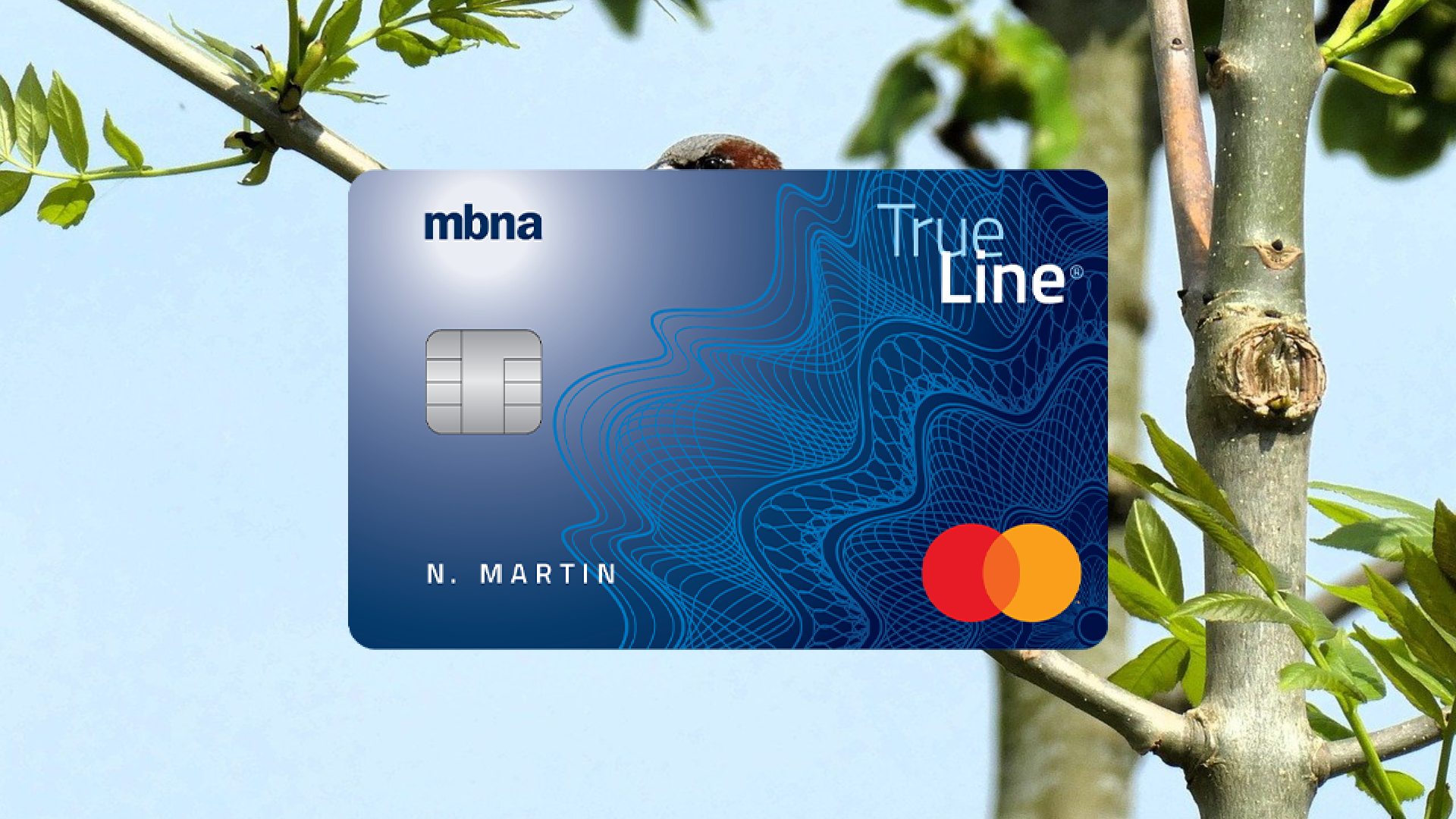
The Effects of Cashback on Credit Cards: An Analysis of Canadian Consumer Behavior

Understanding Cashback Credit Cards in Canada
The rise of cashback credit cards has transformed the way Canadians manage their finances, providing a rewarding alternative to traditional credit spending. These cards have appealed to a wide range of consumers, from young professionals embarking on their financial journeys to seasoned shoppers looking to optimize their spending. With an increasing number of options available, the landscape of cashback credit cards is ripe for exploration. This exploration not only sheds light on their advantages but also presents some underlying complexities that can affect consumer behavior.
At the core of cashback credit cards is the premise of rewarding spending through percentage returns. Many Canadian credit card issuers offer enticing cashback rates that range from 1% to 5% or more on specific categories of purchases. For instance, a card may provide 3% cashback on grocery purchases, making it particularly appealing for families purchasing essential food items on a regular basis. Similarly, cards might offer elevated cashback rates on gas or utility bills, encouraging consumers to use these cards consistently in their daily lives.
Another attractive feature is the prospect of no annual fees. This lack of fees makes cashback cards accessible to a wider array of Canadians, including those who may be hesitant to commit to a card with high annual costs. This feature is crucial, as it allows consumers to experience the benefits of cashback rewards without the daunting pressure of upfront costs. An individual who spends $300 monthly on groceries at a 3% cashback rate can earn $10 in rewards each month, translating to $120 a year purely from their essential shopping needs.
Moreover, flexible redemption options further enhance the appeal of cashback rewards. Consumers can typically choose to receive their cashback as statement credits, direct deposits to their bank accounts, or even gift cards for their favorite retailers. This flexibility allows users to tailor their rewards to meet their specific preferences, whether they wish to offset expenses or treat themselves to something nice.
The Behavioral Influence of Cashback Cards
While the financial benefits of cashback rewards are clear, it’s important to recognize how these cards influence consumer behavior. A significant concern is the potential for increased spending habits. The allure of earning rewards can sometimes lead consumers to spend beyond their means, chasing cashback incentives rather than adhering to a budget. An example might be a consumer deciding to purchase a new appliance solely because it falls within a bonus cashback category, despite the appliance being an unnecessary expense at that moment.
Another noteworthy implication is the phenomenon of strategic shopping. Many consumers begin to plan their purchases around cashback offers, actively seeking out bonus categories to maximize their rewards. For example, a Canadian shopper may choose to wait until grocery week when their cashback card offers 5% back, rather than purchasing throughout the month at a lower rate. This shift in buying behavior can significantly change how consumers prioritize spending and manage their finances.
Finally, cashback cards can influence debt management choices. While the promise of earning rewards is enticing, it can sometimes overshadow the necessity of maintaining a good credit score and managing existing debt. Individuals may find themselves relying on credit for everyday purchases in the pursuit of accumulating cashback, leading to potential financial pitfalls if not managed wisely.
In summary, the growth of cashback credit cards in Canada reflects a broader trend towards reward-based spending. While earning cashback can provide tangible financial benefits, it is imperative for consumers to remain vigilant regarding their spending habits and overall financial health. By understanding the implications of these rewards programs, Canadians can make more informed decisions and achieve a balance between reaping rewards and maintaining sound financial practices.
DISCOVER MORE: Click here for details on applying for the NEO credit card
The Financial Landscape of Cashback Rewards
As cashback credit cards continue to gain traction among Canadian consumers, their impact on financial behavior has become increasingly significant. The incentives offered by these cards not only entice users to make purchases but also shift their overall approach to spending. Understanding the implications of these cashback programs requires a closer look at how they shape consumer habits and attitudes towards financial management.
One of the defining characteristics of cashback cards is their ability to create a sense of immediate gratification. When consumers make a purchase and subsequently see a percentage of that spending come back to them, it fosters a rewarding experience. This instant feedback can amplify the excitement of shopping, as many Canadians view cashback as a form of bonus income. However, this sense of reward often leads to an interesting psychological phenomenon where consumers may begin to prioritize accumulating cashback over essential budgeting practices.
Moreover, the perception of earning “free money” can blur the lines between necessary purchases and impulsive buying. For instance, a consumer might feel compelled to buy the latest gadget simply because it qualifies for a high cashback rate, despite already owning a functional alternative. This type of impulse purchasing not only affects individual financial planning but can also have ripple effects on broader economic trends, as consumer spending habits shift to embrace reward-based motivations.
Strategizing Spending Habits
Canadian consumers have demonstrated a noticeable shift in their spending strategies with the rise of cashback credit cards. Many are adopting strategic shopping habits that revolve around cashback benefits, which include behaviors such as:
- Timing Purchases: Consumers might delay making certain purchases until they align with promotional cashback events offered by their credit cards, such as higher percentages on specific categories like dining or gas.
- Consolidating Transactions: Many shoppers may choose to consolidate their spending into fewer transactions to maximize cashback earnings, often opting for bulk purchases instead of frequent smaller buys.
- Prioritizing Categories: As shoppers become familiar with their card’s reward structure, they begin to prioritize spending in high-return categories – such as groceries or travel – which directly impacts their budgeting methods.
This strategic approach to spending not only alters day-to-day financial decisions but can also significantly impact long-term financial goals. As consumers alter their habits based on rebates, it becomes critical to monitor overall spending to mitigate potential budget overruns. The desire to earn cashback—while often beneficial—can tempt individuals to purchase items they may not need, creating a delicate balance between reward maximization and sound financial management.
In light of these factors, it’s crucial for Canadian consumers to maintain a level of critical awareness about how cashback offerings influence their spending patterns. While the allure of cashback rewards can be enticing, it is essential to consider whether the benefits outweigh the potential pitfalls of overspending and entrenched financial habits. Ultimately, the challenge lies in leveraging these rewards to foster responsible spending and cultivate healthy financial practices.
DON’T MISS OUT: Click here to discover how to apply
Impact on Consumer Loyalty and Choice
The allure of cashback rewards has transformed the landscape of consumer loyalty in Canada. As financial institutions and credit card companies compete for market share, the emphasis on cashback offerings becomes a pivotal factor in consumer decision-making. This trend underscores a significant evolution in how Canadians evaluate their credit card options, often shifting their loyalty based on the perceived value of cashback rewards.
With a myriad of cashback programs available, consumers find themselves in a position where they can be more selective. Many Canadians now conduct thorough comparisons of various credit cards, actively seeking those that offer the most favorable cashback rates. This heightened consumer awareness results in a more informed decision-making process, where individuals weigh not just the rewards but also the associated fees and interest rates of each card. Notably, some cashback programs are structured to favor specific spending categories, such as gas and groceries, which can heavily influence consumer loyalty. For instance, a card rewarding a high percentage for grocery purchases may attract households that prioritize food spending, while frequent travelers might gravitate towards cards providing cashback on airline tickets and hotel bookings.
This ongoing battle for customer loyalty has precipitated a trend of consumers switching credit cards more frequently than in the past. Once wary of the potential hassle involved in switching, many Canadians now view the pursuit of higher cashback rewards as a rational move that can yield significant savings over time. Such behavior aligns with the concept of strategic consumption, where consumers continually reassess their financial tools to maximize benefits. The enhanced competition in the market also leads to ongoing innovations in cashback offerings, including tiered reward structures and limited-time promotional offers that entice users to explore new cards regularly.
Cultural Attitudes Towards Spending and Saving
Cashback rewards also reflect broader cultural attitudes towards spending and saving within Canada. As society increasingly leans toward consumerism, the notion of earning cashback can serve to reinforce a mindset that prioritizes consumption, even as financial literacy efforts strive to promote saving and investment. This paradox poses interesting questions about the long-term implications on financial health.
For many Canadians, the integration of cashback rewards into their financial framework often comes with a superficial sense of financial security. The immediate gratification linked to cashback may overshadow the need for more sustainable financial practices, such as saving for emergencies or retirement. Research indicates that while cashback programs can enhance consumer satisfaction in the short term, they may inadvertently encourage habits that foster debt accumulation. When consumers base their spending decisions solely on the premise of earning rewards, they risk overspending, leading to financial strain and detracting from their long-term financial goals.
The challenge for Canadians lies in achieving a balanced approach to credit card use, where the benefits of cashback rewards are harnessed intelligently. It is essential for consumers to cultivate an awareness of how these reward programs can influence their financial behaviors, striking a balance between enjoying cashback incentives and maintaining disciplined spending practices. Ultimately, as cashback credit cards redefine consumer behavior in Canada, the onus falls upon individuals to navigate this complex landscape with intention, ensuring that rewards enhance rather than hinder their financial well-being.
DIVE DEEPER: Click here to discover advanced strategies
Conclusion
The rise of cashback rewards has undeniably reshaped the dynamics of credit card usage among Canadians, offering a unique lens through which we can examine consumer behavior. Canadians are increasingly prioritizing cashback incentives, which play a decisive role in their choices, prompting them to shift their loyalty across various financial products. This evolving trend illustrates a greater emphasis on informed financial decision-making, as individuals are keen to play the field in search of the best rewards tailored to their spending habits.
However, while cashback programs provide an appealing avenue for savings, they also reflect deeper cultural attitudes towards spending and saving in Canada. The temptation to overspend in pursuit of rewards can lead to financial pitfalls, highlighting the importance of maintaining a cautious approach to credit card use. Consumers must recognize that the pursuit of immediate gratification can overshadow essential long-term financial health strategies, such as saving and budgeting.
In conclusion, as cashback credit cards continue to redefine consumer behavior, Canadians are encouraged to adopt a balanced and strategic approach to their spending. By being aware of the potential drawbacks associated with these rewards programs, individuals can harness the benefits of cashback without jeopardizing their financial future. Ultimately, making choices with intentionality allows consumers to enjoy the advantages of cashback rewards while ensuring they remain on a sustainable financial path.

Linda Carter
Linda Carter is a writer and financial expert specializing in personal finance and financial planning. With extensive experience helping individuals achieve financial stability and make informed decisions, Linda shares her knowledge on our platform. Her goal is to empower readers with practical advice and strategies for financial success.