The Evolution of Digital Credit Cards and Their Role in Personal Finance in Canada
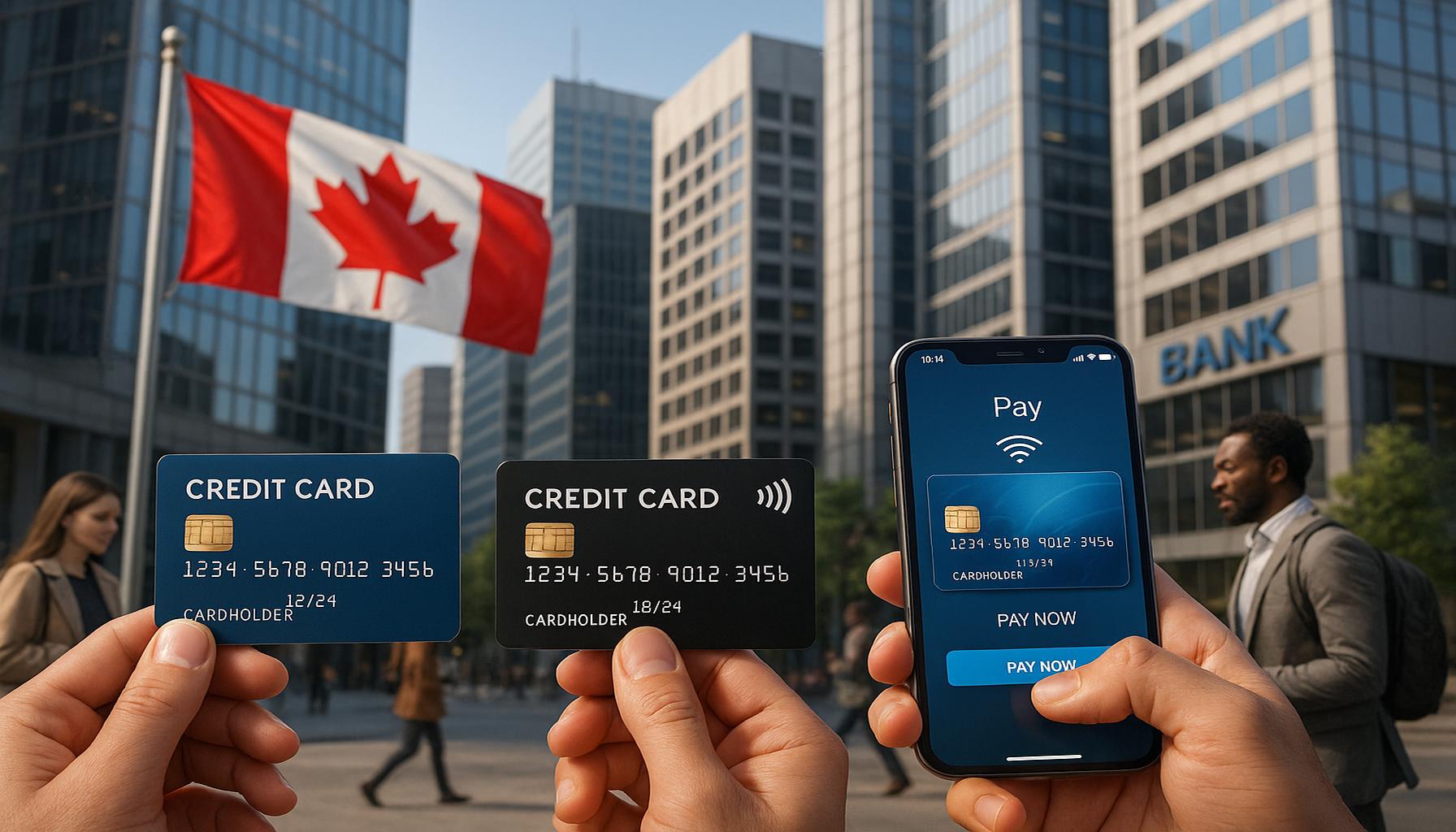
Emergence of Digital Credit Cards
As technology advances, the financial landscape in Canada is experiencing a transformation largely driven by innovative payment solutions. One of the most significant breakthroughs in this field has been the rise of digital credit cards. Unlike traditional plastic cards, these digital versions are not just a convenience; they represent a fundamental shift in how Canadians manage their personal finances.
Contactless Payments: A New Era of Convenience
One of the standout features of digital credit cards is their contactless payment capability. This allows users to make quick and seamless transactions simply by tapping their smartphone or smartwatch at the point of sale. For example, during a busy morning at a Toronto coffee shop, a user can enjoy their favorite brew without fumbling through their wallet for a card, reflecting a lifestyle that is both fast-paced and efficient. The convenience of these transactions cannot be overstated, especially as everyday routines become increasingly hectic.
Enhanced Security Measures
Security is another critical aspect where digital credit cards excel. They utilize advanced encryption technologies that protect consumer data during transactions. If a cardholder suspects fraudulent activity, they can freeze their account instantly through their mobile banking application, providing a powerful sense of control and safety. Moreover, features like biometric authentication—using fingerprint or facial recognition—add an extra layer of protection that traditional cards simply cannot match.
Integrated Budgeting Tools for Financial Empowerment
In addition to transactional features, digital credit cards often come bundled with integrated budgeting tools. These tools display real-time spending analytics, enabling users to track their expenses directly within their banking apps. For instance, a family in Vancouver can categorize their monthly expenditures—groceries, entertainment, and bills—with ease, which empowers them to make informed financial decisions. By visualizing their spending patterns, they can identify areas where they can cut back and save, ultimately fostering healthier financial habits.
The Shift Towards a Digital Future
As Canadians continue to embrace these technological innovations, the adoption of digital credit cards is not just a trend but a significant shift in the personal finance landscape. The integration of these digital solutions facilitates not only ease of use but also encourages responsible financial behavior. For example, the simple act of tracking spending can reduce impulse purchases and lead to smarter financial planning.
In conclusion, as we progress through this digital age, understanding the evolution and impact of digital credit cards is crucial. These tools are revolutionizing how Canadians approach their finances, fostering a culture where convenience, security, and awareness are paramount. Embracing such innovations may very well redefine financial management for generations to come.
DISCOVER MORE: Click here to learn about tax planning’s role in startup success
Transforming the Consumer Experience
The evolution of digital credit cards signifies a tremendous leap in the consumer experience, particularly within the Canadian financial sector. Gone are the days when carrying multiple physical cards was necessary, leading to cluttered wallets and the potential for loss. Digital credit cards allow users to store all their payment information securely in a single app on their smartphones. This consolidation streamlines the payment process, mitigating the frustrations associated with traditional banking methods.
Variety of Features at Your Fingertips
Digital credit cards today come loaded with an array of features designed to enhance their users’ financial experiences. Some of these features include:
- Virtual Card Numbers: Users can generate temporary virtual card numbers for online purchases, offering an additional layer of protection against fraud.
- Custom Spending Alerts: Cardholders can set personalized alerts for certain categories or spending thresholds, ensuring they stay within their budget.
- Rewards Programs: Many digital credit cards incorporate rewards systems that allow customers to earn points or cashback, enhancing the overall value proposition of using these cards.
These numerous features not only make transactions easier but also encourage consumers in Canada to take control of their financial health. This evolution caters to the needs of modern users who demand flexibility, efficiency, and security in their financial tools.
The Role of Fintech in Shaping Digital Solutions
The rise of financial technology (fintech) companies has also played a crucial role in the proliferation of digital credit cards. Startups are leveraging technology to create platforms that offer unique credit products tailored to the diverse needs of consumers. For instance, many fintech companies provide users with AI-driven spending insights and tips on how to increase their credit scores. Such innovations resonate particularly well with younger Canadians who prioritize financial education and empowerment in managing their personal finances.
Integration with Everyday Life
This evolution has fostered an environment where digital credit cards seamlessly integrate into daily life. Whether it’s using a mobile wallet app to pay for groceries at a local supermarket in Calgary or managing subscriptions online, the benefits are undeniable. The rise of e-commerce has significantly propelled this trend forward, as more Canadians are comfortable making purchases online. With this increasing reliance on digital transactions, it’s essential for individuals to adapt to these changes, ensuring not only convenience but also security.
As digital credit cards continue to evolve, one thing stands clear: they are set to redefine how Canadians experience and manage personal finance. By embracing these innovations, individuals can enjoy both the convenience of a digital future and a greater understanding of their financial landscape, paving the way for smarter spending and saving habits.
LEARN MORE: Click here to discover how to apply for the MBNA Smart Cash Platinum Plus
The Financial Education Factor
As digital credit cards become a cornerstone of personal finance in Canada, there is a growing emphasis on financial literacy among consumers. Digital credit card providers are not just offering a means of payment; they are also taking the initiative to educate users about responsible spending and credit management. Many institutions have embraced this dual role by integrating informative resources directly into their apps. Users can access articles, videos, and interactive tools that teach them about credit scores, interest rates, and budgeting techniques.
Rising Popularity of Contactless Payments
The surge in contactless payment options has further propelled the use of digital credit cards among Canadian consumers. The COVID-19 pandemic accelerated this shift, with more individuals opting for contactless transactions to maintain health and safety precautions. Many digital credit cards now offer tap-and-go capabilities, allowing users to make quick and secure payments with just a wave of their smartphones. This ease of use not only enhances the shopping experience but also encourages more people to adopt digital credit solutions.
In fact, a report from Payments Canada indicated that contactless payments surged by over 30% in the last couple of years, with Canadians embracing the convenience offered by their digital wallets. Merchants across the country, from small businesses in Halifax to larger retailers in Toronto, are also adapting to this trend by upgrading their payment systems to support contactless technology. As more Canadians embrace this modern payment method, digital credit cards are cementing their role as a central piece of personal finance management.
Encouraging Financial Responsibility Through Gamification
Innovative companies are finding new ways to engage users with gamification features. Some digital credit cards include tools that make achieving financial goals interactive and fun. For instance, users might earn rewards or badges for paying their bills on time or reaching their savings milestones. By turning financial objectives into games, these platforms encourage healthy financial habits in a manner that resonates particularly well with younger Canadians who grew up with video games and apps. This brings a sense of accomplishment and a feeling of progression in managing their finances.
The Future of Digital Credit Cards in Canada
Looking ahead, it is clear that the future of digital credit cards in Canada holds even more promise. The rapid advancements in technology mean that we can expect continuous innovation. Features like biometric authentication will enhance security, while advances in artificial intelligence will provide users with personalized insights based on their spending habits. It is plausible that digital credit cards will soon integrate more seamlessly with other financial products, offering users a comprehensive view of their financial health, all from a single platform.
The potential for collaboration between traditional banks and fintech companies also presents exciting opportunities to reshape the digital credit landscape further. As these players work together, Canadians can expect to see more competitive rates, improved customer service, and the continuous evolution of features designed to meet the ever-changing financial landscape. Adapting to these advancements after grasping their implications is essential for individuals who seek to optimize their personal finances and prepare for future economic challenges.
DISCOVER MORE: Click here to learn about investing in a sustainable future
Conclusion
In summary, the evolution of digital credit cards in Canada has marked a transformative shift in how consumers manage their personal finances. These cards, which have rapidly gained popularity, not only expedite payment processes but also cultivate an environment that promotes financial literacy and responsibility. With features such as contactless payments, transactions have become quicker and more convenient, alleviating the need for physical cash or cards. This appeals particularly to the younger, tech-savvy generation who are comfortable embracing digital innovations.
Moreover, the collaboration between traditional financial institutions and innovative fintech companies has opened new avenues for delivering enhanced services to customers. This partnership empowers Canadians by providing competitive rates and a more integrated financial experience. For instance, banks like TD and RBC are partnering with tech firms to offer customized digital credit solutions tailored to individual user needs. The anticipated future landscape of digital credit cards is bright, promising the integration of biometric security to safeguard financial transactions. Fingerprint recognition or facial identification will ensure that only the rightful user can access their financial data, adding an extra layer of security.
As these advancements continue to unfold, it is vital for Canadians to remain informed and adaptable. The tools offered by digital credit cards, from educational resources to intuitive management features, empower consumers to take charge of their finances. This may include budgeting tools that visualize spending habits or notifications that alert users to unusual transactions. By leveraging these tools effectively, individuals can enhance their financial understanding, ultimately guiding them toward long-term financial success and resilience in a dynamic economic landscape.
Additionally, understanding the benefits and functionalities of digital credit cards is crucial for Canadians. By staying updated on technological trends, consumers will be better equipped to make informed financial decisions. This not only augments their financial instincts but also positions them to explore opportunities like rewards programs and loyalty benefits that many digital credit cards offer. The digital credit card revolution is more than just a trend; it represents a significant opportunity for Canadians to shape their financial futures.

Linda Carter
Linda Carter is a writer and financial expert specializing in personal finance and financial planning. With extensive experience helping individuals achieve financial stability and make informed decisions, Linda shares her knowledge on our platform. Her goal is to empower readers with practical advice and strategies for financial success.