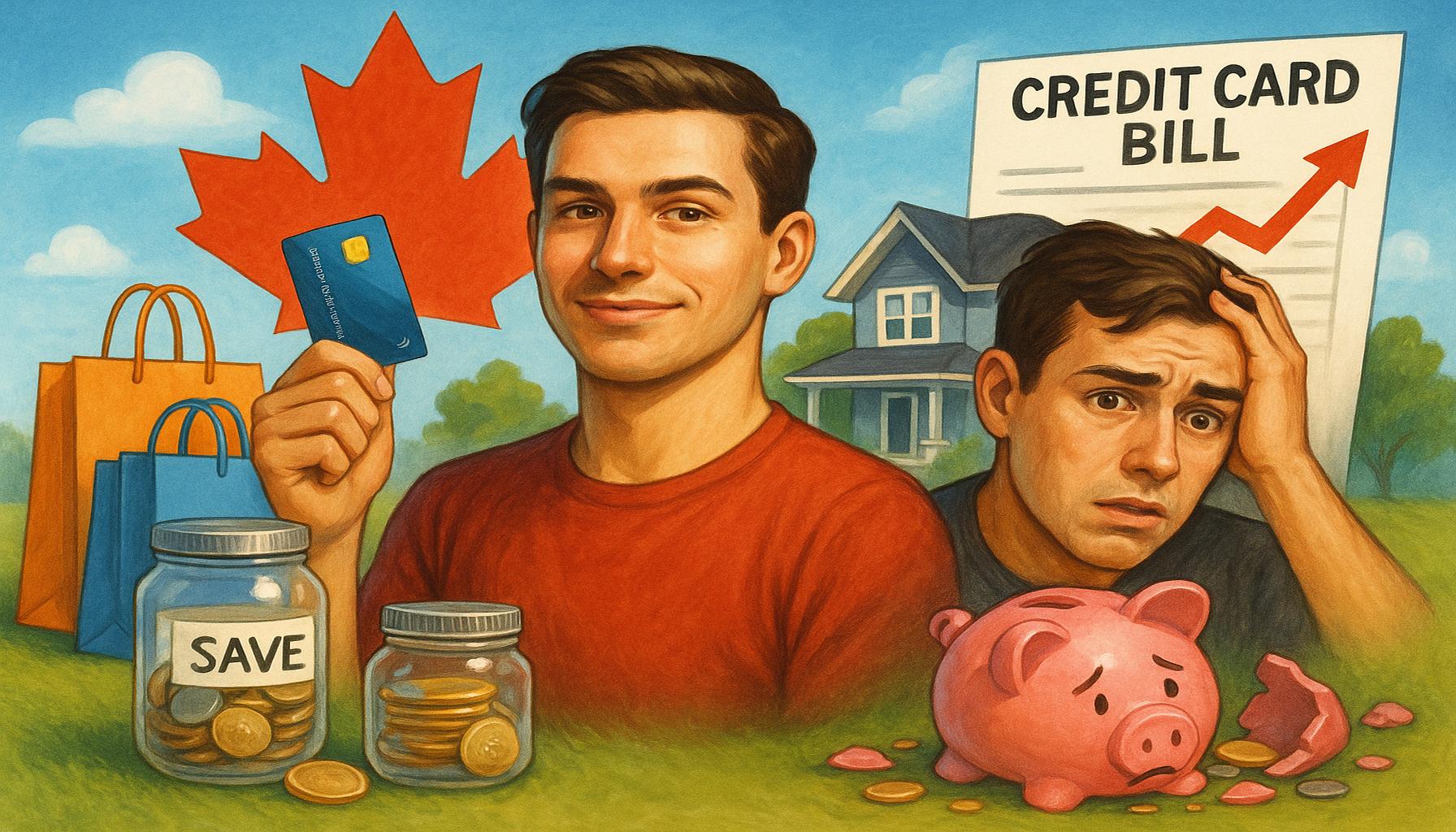
The Impact of Credit Card Interest Rates on the Financial Health of Canadians

The Importance of Recognizing Credit Card Interest Rates
In the landscape of Canadian finances, credit cards are not just a method of payment; they represent a versatile tool for managing expenses and navigating unexpected financial needs. While they offer convenience and the potential for rewards, it is critical for Canadians to consider the way interest rates can shape their overall financial well-being. Understanding these rates, particularly in a fluctuating economic environment, is essential for making informed decisions.
Credit card interest rates in Canada can often reach dizzying heights, with many cards charging annual percentages that soar above 19%. This reality can create a burdensome debt load when consumers do not manage their spending carefully. For instance, if a Canadian uses a credit card with a 20% interest rate to purchase a $1,000 laptop and only pays the minimum amount each month (often around 2% of the balance), they could end up paying more than $1,500 over a span of several years, significantly increasing the cost of that laptop.
Moreover, the practice of making only minimum payments can deepen the cycle of debt. Credit cards are designed to keep customers in debt, as their minimum payment structure often covers only the interest accrued. This means that even if you’re paying your bill regularly, the principal balance may barely budge. As an example, if a cardholder owes $5,000, making merely the minimum payments could result in staying in debt for a decade or longer, all while accumulating more interest, which is essentially wasted money.
Additionally, it is vital to consider the impact on credit scores. A significant portion of a credit score is influenced by credit utilization—the ratio of credit card balances to credit limits. High balances relative to the available credit can lead to lower credit scores. For Canadians looking to secure loans for homes or cars, a strong credit score is crucial, as it determines eligibility and the interest rates associated with those loans.
In light of these challenges, it becomes imperative for consumers to develop strategies to mitigate high-interest debt. One approach might involve transferring balances to credit cards with lower interest rates or even zero-interest promotional offers. Another effective method includes creating and adhering to a rigorous repayment plan that prioritizes paying down higher-balance accounts first. Additionally, actively monitoring one’s credit profile can help consumers keep tabs on their financial health and make informed decisions.
As interest rates trend upward and the cost of borrowing increases, understanding the implications of credit card use becomes increasingly critical. For many Canadians, the journey involves not just managing day-to-day expenses but also striving towards long-term financial health. By recognizing how credit card interest rates affect their financial landscape, individuals can make more informed choices, ultimately leading to more sustainable financial practices.
DISCOVER MORE: Click here to dive deeper
The Heavy Toll of High-Interest Rates
For many Canadians, the allure of credit cards may soon transform into a financial burden due to the impact of high-interest rates. The consequences of carrying a credit card balance can be particularly harsh, especially for consumers who may not fully understand how interest accrues. To illustrate, let’s consider the case of Sarah, a young professional living in Toronto. After using her credit card to finance moving expenses and setting up her new apartment, Sarah found herself with a balance of $2,500. With an average interest rate of 19.99%, the resultant monthly payments quickly escalated beyond her expectations.
As Sarah made her minimum payments each month, she saw little reduction in her overall balance. This is not an isolated incident; it’s a situation many Canadians face. The reality is that, with rates this high, even modest spending can spiral into overwhelming debt, forcing individuals to rethink their spending habits. The following points highlight the critical ways in which high-interest charges affect financial health:
- Increased overall debt: High-interest rates can lead to a compounding effect, where the debt continues to grow, creating a cycle that is hard to escape.
- Budget constraints: When a significant portion of monthly income goes towards high-interest payments, less money is available for essentials like housing, food, and savings.
- Stress and mental health: The burden of debt can cause significant stress and anxiety, affecting individuals’ overall well-being.
As Sarah’s situation illustrates, making only the minimum payments often results in a larger debt pile. For many Canadians, a missed payment or two can lead to a rise in interest rates or additional fees—adding further to the financial strain. Moreover, as financial literacy disparities become evident, it is evident that many consumers are left scrambling to navigate the complex world of credit deals.
For instance, many Canadians are unaware that opting for cash advances carries even higher interest rates than regular transactions. At times, this could mean a rate exceeding 25%. Whether it’s emergency expenditures or unexpected costs that lead one to rely on credit cards, understanding these charges becomes crucial in avoiding a situation that can easily spiral out of control.
In an uncertain economy, where inflation and living costs are on the rise, awareness and proactive management of credit card interest rates emerge as practical elements in fostering financial health. Many do not realize that a simple shift in payment strategy can make a significant difference. Strategies such as paying more than the minimum—perhaps even using a portion of tax refunds or bonuses—can help mitigate the financial repercussions of sweeping interest costs.
Through careful planning and a commitment to financial literacy, Canadians can navigate the tumultuous waters of credit card debt more effectively. By fully engaging with the implications of credit card interest rates, individuals can empower themselves towards making wiser financial decisions that bolster their long-term aspirations.
LEARN MORE: Click here to discover the application process
Strategies for Managing Credit Card Debt
As the financial landscape continues to evolve, understanding how to manage credit card debt effectively is paramount for maintaining healthy finances. The first step for Canadians is to address their understanding of credit utilization. Experts recommend keeping credit utilization below 30% of the credit limit. This means that if you have a credit limit of $10,000, it’s wise to avoid charging more than $3,000 at any time. As Sarah discovered, exceeding this threshold can attract higher interest rates not only from accruing debt but also from lenders perceiving you as a higher-risk borrower.
Another critical element involves leveraging the snowball method or the avalanche method to manage outstanding balances. The snowball method suggests that individuals should focus on paying off their smallest debts first while making minimum payments on larger debts, generating a psychological boost as debts are eliminated. In contrast, the avalanche method prioritizes debts with the highest interest rates, ultimately saving the borrower more money in the long run. Both strategies can help Canadians alleviate the weight of credit card debt while reinforcing positive financial habits.
Moreover, Canadian consumers should consider incorporating balance transfers into their repayment strategy. Many financial institutions offer promotions with lower interest rates, sometimes as low as 1.99% for an introductory period. This can be a lifeline for individuals like Sarah, allowing them to transfer existing high-interest debt to a lower-interest option. However, it is essential to note that balance transfer offers typically come with fees and specific terms, such as the duration of the promotional rate, which need careful consideration to avoid accruing more debt in the long term.
A crucial yet often overlooked part of financial health is emergency savings. Unfortunately, many Canadians find themselves forced to rely on credit cards during financial emergencies due to insufficient savings. The Canadian Payroll Association released data showing that a significant percentage of Canadians live paycheck to paycheck, which leads to higher susceptibility to mounting credit card debt. Building an emergency fund—even a modest one—can provide a safety net that prevents individuals from maxing out their credit cards when unexpected costs arise.
Additionally, understanding the terms and conditions associated with various credit cards is vital for navigating this complex landscape. Many Canadians lack awareness of key features such as grace periods, late fees, or the implications of making payments after the due date. By taking the time to review and comprehend these details, consumers can advocate for themselves and make informed choices that enhance their financial well-being.
Financial literacy programs are increasingly available across Canada. These resources can empower individuals with the knowledge to make sound decisions regarding credit use and debt management. Workshops and online platforms tailored to teaching the intricacies of credit use contribute to breaking the cycle of high-interest debt, enabling Canadians to manage their finances with confidence and foresight.
By harnessing these strategies, Canadians can mitigate the risks associated with high-interest credit card debt and work towards a more stable financial future. The pursuit of financial health in Canada requires a blend of informed decision-making, strategic planning, and an unwavering commitment to managing credit responsibly.
DIVE DEEPER: Click here to learn more
Conclusion
In summary, the impact of credit card interest rates on the financial health of Canadians cannot be overstated. As high-interest rates can lead to overwhelming debt and financial strain, understanding the dynamics of credit is essential for responsible management. Tools such as effective debt repayment strategies, awareness of credit utilization, and the cultivation of emergency savings all play crucial roles in mitigating the risks associated with credit card usage. For Canadians navigating the complexities of credit, embracing both proactive financial planning and informed decision-making can lead to improved credit profiles and overall wellness.
Furthermore, the integration of financial literacy programs into educational systems ensures that individuals are equipped with the knowledge needed to make confident choices regarding credit. As awareness grows around the implications of debt and interest rates, a culturally responsible approach emerges, fostering a more financially educated society. By prioritizing education and strategic financial habits, Canadians can create pathways to sustainable financial health, ultimately reducing reliance on credit cards and navigating towards a debt-free future.
As we continue to witness fluctuations in the financial landscape, Canadians must remain vigilant in their financial journeys. Through persistence and informed engagement with credit, individuals are empowered not only to improve their personal circumstances but also to drive collective change in addressing the challenges posed by credit card interest rates. The road ahead demands a commitment to financial intelligence, ensuring that Canadians can thrive despite the pressures of high-interest debt.

Linda Carter
Linda Carter is a writer and financial expert specializing in personal finance and financial planning. With extensive experience helping individuals achieve financial stability and make informed decisions, Linda shares her knowledge on our platform. Her goal is to empower readers with practical advice and strategies for financial success.