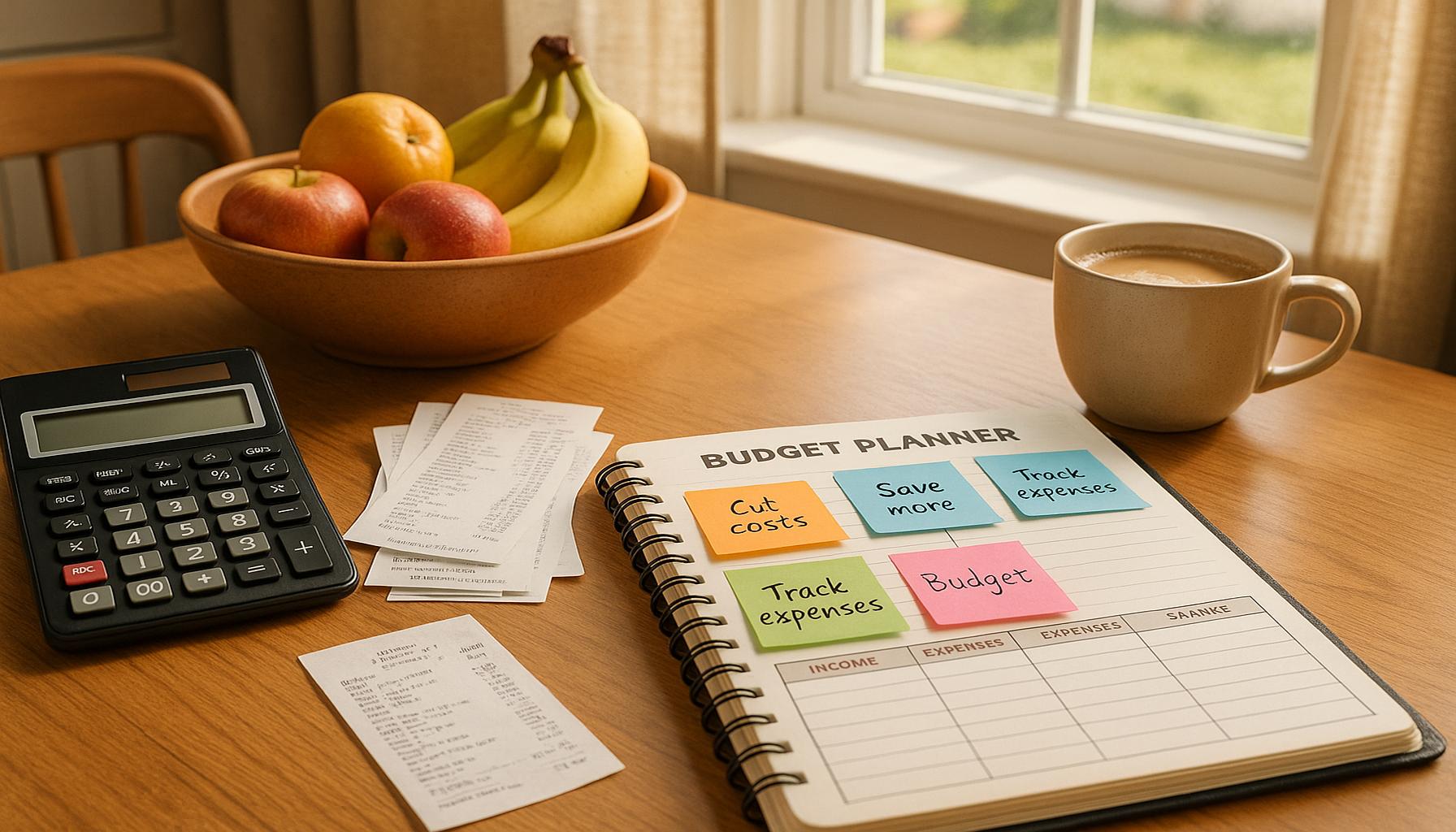
The Importance of an Emergency Fund in Personal Budgeting: How to Build and Maintain It
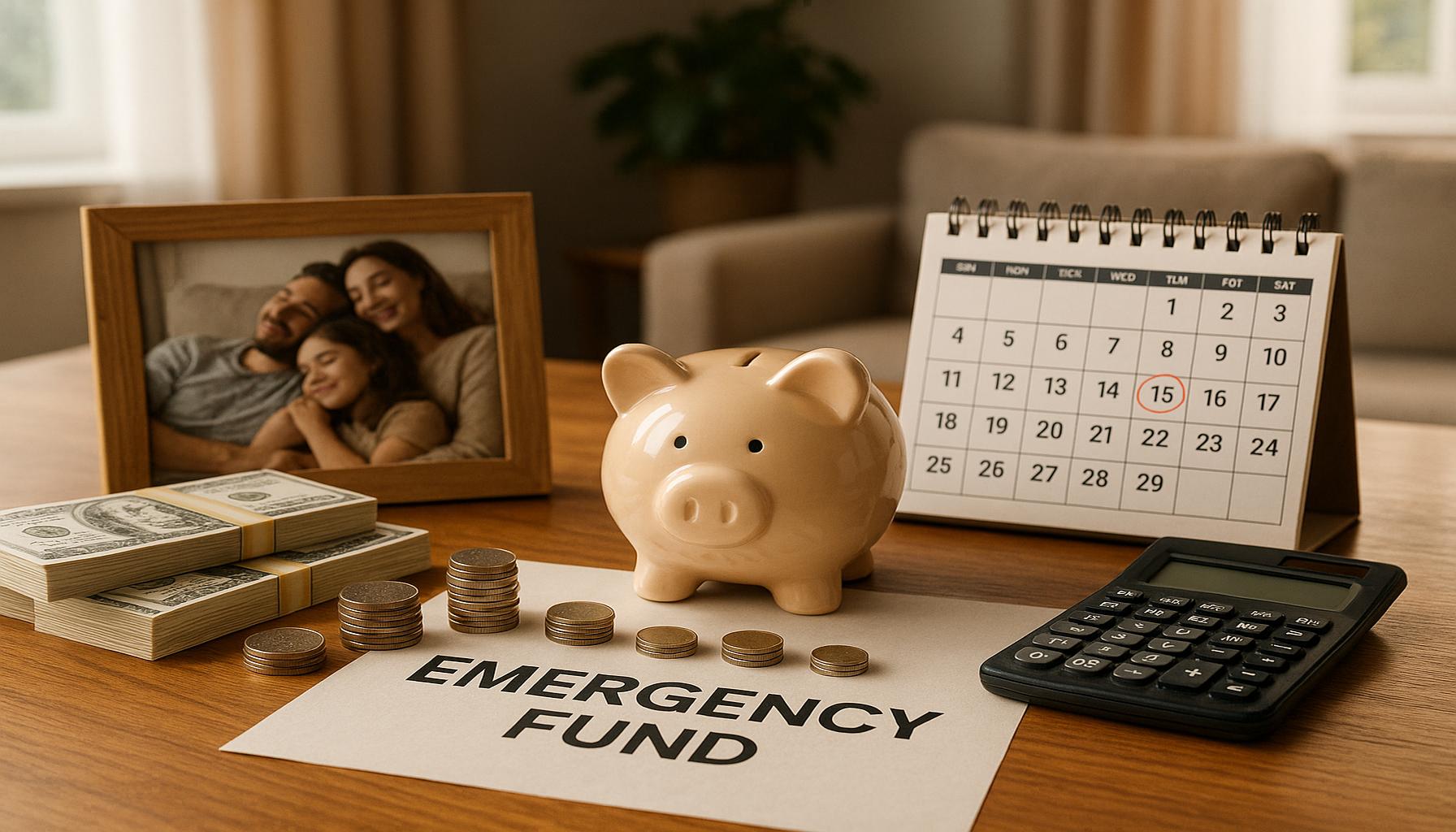
The Importance of an Emergency Fund in Canada
Picture yourself dealing with a sudden job loss, perhaps due to a company downsizing, or needing an urgent car repair after hitting a pothole on a snowy road. These unexpected challenges can swiftly disturb your financial equilibrium, leaving you scrambling for solutions. This is where having an emergency fund becomes more than just a financial strategy; it transforms into a vital safety net designed to catch you when life throws curveballs your way.
An emergency fund is a dedicated savings account intended to help you manage life’s uncertainties without derailing your personal budget. It serves not only as a buffer against unforeseen expenses but also as a source of peace of mind. The security it provides is essential for maintaining overall financial health. Let’s delve deeper into the key benefits of establishing and nurturing an emergency fund:
- Financial Security: An emergency fund acts as a financial shield, protecting you from unplanned expenses that can arise, such as medical bills, home repairs following unexpected damage, or vehicle breakdowns. For instance, if your furnace fails in the middle of a Canadian winter, having a cushion for repairs can significantly lighten the burden.
- Reduced Stress: Financial emergencies can induce significant anxiety. Knowing that you have a reserve to draw upon reduces the stress associated with these situations, allowing you to focus on recovery rather than panic.
- Budget Flexibility: When you have an emergency fund, you are able to maintain your regular financial plan with minimal disruptions. Rather than dipping into long-term savings or accumulating debt during crises, your budget can remain intact, which is especially important for Canadians who may be saving for retirement or higher education.
In Canada, the average household encounters various financial challenges that can stem from diverse factors like inclement weather, accidents, or even health issues. Such unpredictability underscores the necessity of building and sustaining an emergency fund. It is not just a recommendation; it is a fundamental aspect of financial preparation that provides resilience in the face of disruption.
Building Your Emergency Fund
To create a substantial emergency fund, it is crucial to understand how to structure it effectively. Begin by setting clear and realistic savings goals; a common recommendation is to aim for three to six months’ worth of living expenses. Next, select a suitable savings method that aligns with your financial habits. High-interest savings accounts often provide better returns than traditional options, while also ensuring accessibility for emergencies.
By incorporating a routine of disciplined savings into your monthly budgeting, you can cultivate an emergency fund that cultivates resilience. With determination and strategic planning, you may end up not only with a safety cushion but also with a robust understanding of personal finance that will serve you well throughout life’s uncertainties. So start today, because protecting your future means preparing for the unexpected.
LEARN MORE: Click here to find out how to apply
Understanding the Fundamentals of an Emergency Fund
Establishing an emergency fund is not just about putting cash aside; it’s about creating a foundational piece of your financial puzzle. A well-structured emergency fund is tailored to your unique circumstances, ensuring it serves as an effective buffer during turbulent times. The process begins by identifying your financial landscape: what expenses do you incur on a regular basis? Understanding your monthly costs enables you to set a realistic target for your emergency savings.
A general guideline suggests that your emergency fund should cover three to six months’ worth of living expenses. This amount varies for everyone – a single individual might find comfort in three months’ worth of expenses, while a family may require six months or even more, particularly if they are covering multiple mouths and potential childcare costs. To calculate this figure, consider listing your essential expenses, which typically include:
- Housing Costs: Rent or mortgage payments are usually the largest expenses. It’s critical to factor these into your emergency savings goal.
- Utilities: Monthly expenses such as electricity, water, and internet can add up and need to be considered.
- Groceries and Essential Supplies: Food costs can fluctuate, but understanding your average monthly spend can provide a clearer savings target.
- Transportation: Consider public transportation costs or vehicle payments, fuel, insurance, and maintenance costs.
- Insurance Premiums: Health, auto, and home insurance should also be part of your fundamental financial planning.
Once you have a clear picture of your necessary expenses, you can begin to build your emergency fund. This involves setting a defined, actionable savings plan. Start with a monthly contribution that feels manageable, even if it’s a small amount. As you start contributing consistently, your fund will gradually grow, providing a cushion for life’s unpredictabilities.
It’s also advantageous to automate your savings. Setting up a recurring transfer from your checking account to your emergency fund can simplify the process and ensure that you don’t accidentally spend what you intend to save. Additionally, consider utilizing a high-interest savings account. These accounts typically offer better interest rates than traditional savings accounts, maximizing your savings growth without sacrificing accessibility.
By establishing a well-planned emergency fund, you are not just saving money but actively taking charge of your financial well-being. This proactive approach brings a level of security that can empower you to face unexpected challenges head-on. The peace of mind derived from having a safety net allows you to concentrate more on your goals rather than worrying about what might go wrong. Building and maintaining this essential resource will ultimately lead to greater financial freedom.
CHECK IT OUT: Click here for the full guide
Strategies for Building Your Emergency Fund
Building an emergency fund can seem daunting at first, especially if you’re starting from scratch. However, with a strategic approach and a commitment to consistent saving, you can achieve your financial safety net in no time. One effective method is the “50/30/20 rule,” which allocates 50% of your income to necessities, 30% to discretionary spending, and 20% to savings. By adjusting this rule slightly, you might consider funneling a larger portion into your emergency fund until it’s adequately established. This might mean temporarily reining in non-essential expenses or redirecting funds from less critical areas of your budget.
Tracking your spending is another valuable technique. By using budgeting apps or simple spreadsheets, you can gain insights into where your money is going. Identifying areas where you can cut back—like dining out or subscription services—can free up funds for your emergency savings. For instance, if you find you’re spending a significant amount on coffee, consider brewing at home and redirecting those savings into your emergency fund. Every little bit adds up, and small changes can lead to significant savings over time.
Setting Milestones Along Your Journey
To make your savings journey more manageable, set concrete milestones. Instead of fixating on the total amount you wish to save, break it down into achievable milestones. This could mean saving your first $500, then $1,000, and so forth. Celebrating these small victories not only boosts your motivation but also reinforces your commitment to building your safety net.
Consider leveraging seasonal opportunities, too. Tax refunds, bonuses, or gifts can be great windfalls that provide a perfect opportunity to contribute significantly to your emergency fund. For instance, if you receive a tax return one spring, think about directing a substantial portion into your savings. This one-time boost can help you reach one of your milestones much quicker than regular contributions alone.
Maintaining Your Fund: Adaptability and Growth
Once you’ve established your emergency fund, the journey doesn’t end there. It’s essential to maintain and adapt your fund as your life circumstances change. As your income increases or as you attain new responsibilities—like buying a home or starting a family—you may find that your initial savings goal is no longer adequate. Regularly reviewing your expenses and adjusting your goals in response to major life changes can ensure your emergency fund remains aligned with your needs.
Additionally, while tapping into your emergency fund should always be reserved for true emergencies—like unexpected medical bills or job loss—it’s prudent to routinely monitor the account. This becomes especially necessary if you have to dip into the fund. Once you do, prioritize repaying it as swiftly as possible, so you remain prepared for future unexpected events. Life is unpredictable, and having that buffer can prevent cascading financial issues down the line.
In the Canadian context, federal benefits and subsidies can provide additional resources during challenging times, but it’s crucial to remember that these programs might not cover all your needs or be immediately accessible. By ensuring a fully functional emergency fund, you take control of your financial situation, irrespective of external circumstances.
Ultimately, the importance of cultivating and maintaining an emergency fund is tied to your overall financial health. It allows you to not only survive unexpected challenges but thrive in your financial journey. By being proactive and intentional in your budgeting, you create a resilient framework that provides peace of mind in an often-volatile world.
DIVE DEEPER: Click here to discover investment diversification strategies
Conclusion
Establishing an emergency fund is a critical step in securing your financial future and exercising control over your personal budgeting. It serves as a cushion against life’s unexpected turns—whether it’s an unforeseen job loss, medical expenses, or urgent home repairs—ensuring that you can navigate these hurdles without succumbing to financial distress. As highlighted throughout the article, beginning your journey with strategic approaches, such as designated savings rules and conscious spending habits, can effectively position you on the path to financial stability.
Moreover, setting clear milestones and leveraging unique opportunities can transform your savings efforts from daunting tasks into achievable goals. Remember, maintaining your emergency fund is just as essential as building it; adapting your savings strategy to accommodate life’s changes ensures that your financial safety net remains robust and relevant. In a country like Canada, where fluctuations in the economy can impact job security and living costs, having an emergency fund allows for greater peace of mind and resilience.
Ultimately, an emergency fund is not merely a reflection of savings—it’s a testament to your proactive approach to personal finance that empowers you to thrive amidst uncertainty. By prioritizing this crucial aspect of budgeting, you pave the way for a secure future, allowing you to focus not only on mitigating risks but also on achieving your financial aspirations. With determination and mindful planning, your emergency fund will become a cornerstone of financial well-being in your life.

Linda Carter
Linda Carter is a writer and financial expert specializing in personal finance and financial planning. With extensive experience helping individuals achieve financial stability and make informed decisions, Linda shares her knowledge on our platform. Her goal is to empower readers with practical advice and strategies for financial success.