
The Role of AI and Machine Learning in Shein’s Trend Forecasting and Inventory Management
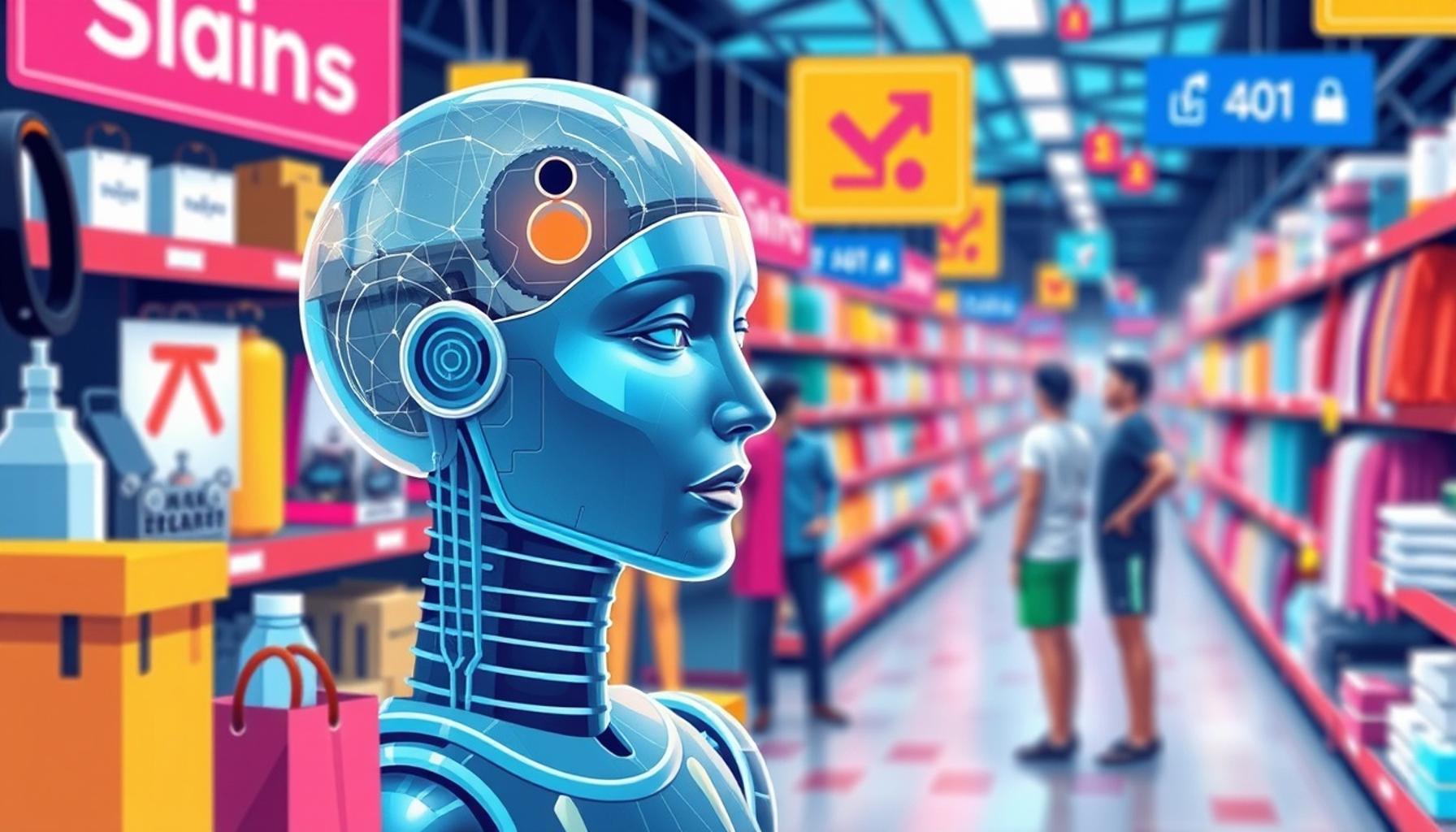
Understanding Shein’s Innovative Use of AI and Machine Learning
The fashion landscape has witnessed a seismic shift in recent years, driven primarily by the increasing demand for speed and efficiency in retail. In this fast-paced environment, brands must not only anticipate trends ahead of the curve but also manage their resources adeptly. Shein, a formidable player in the fast fashion sector, exemplifies this trend by integrating artificial intelligence (AI) and machine learning into its operational framework. This strategic fusion of technology has positioned Shein at the forefront of industry innovation.
How Shein Utilizes AI in Trend Forecasting
Shein leverages a myriad of data sources to engage in trend forecasting. By harnessing the power of social media platforms like Instagram and TikTok, the brand meticulously tracks the influence of fashion disruptors and the preferences of everyday consumers alike. For example, if a specific style suddenly gains traction through a viral post, Shein’s algorithms can quickly analyze a surge in interest, enabling the company to pivot its design focus almost immediately. The rapid feedback loop ensures that Shein is producing items that align with current consumer demands, rather than relying on outdated fashion cycles.
The Role of Data-Driven Insights
Machine learning algorithms provide Shein with a comprehensive understanding of consumer preferences. By sifting through enormous datasets that include purchase histories and browsing behavior, these algorithms unveil patterns that may elude human analysts. For instance, if customers frequently purchase oversized clothing during a certain season, Shein can proactively increase its inventory of those items, thereby optimizing sales while maintaining customer satisfaction.
Optimizing Inventory Management with AI
Effective inventory management is crucial for minimizing waste and maximizing profitability—a challenge that traditional fashion retailers often grapple with. Shein employs AI tools to predict the right stock levels, which significantly reduces the risks associated with overproduction. By assessing real-time sales data and trends, Shein can adjust its inventory in response to changing consumer behaviors. This not only minimizes unsold stock but also lessens the environmental impact associated with excess manufacturing.
This forward-thinking approach facilitates Shein’s ability to respond with agility to the ever-changing market landscape. With profound insights into what customers desire, the brand continually refines its offerings while lowering the financial and environmental risk. As a result, Shein represents a paradigm shift in how technology can redefine operational practices in the fashion industry.
In the coming sections, we will explore further the intricate applications of AI and machine learning at Shein, revealing how these technologies are reshaping the future of fashion retail and potentially influencing broader retail practices across the globe.
DISCOVER MORE: Click here to learn about sustainable innovations in fashion
Transforming Fashion Retail: Shein’s AI-Powered Insights and Strategies
In the ever-evolving world of fashion, where consumer preferences shift with the flick of a social media post, Shein is redefining the landscape through the integration of AI and machine learning. The strategic application of these technologies enables Shein to not only predict trends with astounding accuracy but also to streamline inventory management processes, creating a model that many traditional retailers now aspire to emulate.
Harnessing Real-Time Data for Trend Forecasting
At the heart of Shein’s trend forecasting capabilities lies an intricate system that taps into a plethora of real-time data. This data encompasses consumer behavior across various platforms, including social media, e-commerce interactions, and even search trends. By leveraging AI, Shein can analyze this vast array of information to identify emerging styles and assess the potential longevity of these trends. The brand’s in-house technology can analyze:
- Social Media Trends: By monitoring hashtags and influencer posts, Shein can gauge which styles are gaining popularity.
- User Engagement: Metrics such as likes, shares, and comments provide insights into customer sentiment towards specific trends.
- Data-Driven Predictions: Utilizing machine learning algorithms, Shein predicts the sustainable lifespan of fashion trends, allowing for timely production.
AI-Driven Inventory Management
Inventory management is a critical challenge in the fast fashion industry, where the balance between supply and demand is delicate. Shein’s AI framework enhances its ability to manage inventory levels efficiently. The role of machine learning in this sphere is transformative, allowing Shein to:
- Predict Stock Levels: By analyzing sales data and customer feedback, Shein can forecast demand for various items, resulting in more accurate stock levels.
- Reduce Waste: Effective inventory management translates into fewer unsold goods, minimizing the environmental impact often associated with overproduction.
- Optimize Supply Chains: Real-time data allows Shein to make informed decisions about production schedules and inventory replenishment, ensuring that popular items are always available to consumers.
The direct implications of these tech-driven strategies are far-reaching. Not only does Shein maintain a competitive edge in the fast-paced retail environment, but it also sets a precedent for sustainable practices within the industry. As the company continues to innovate, it offers compelling evidence that integrating AI and machine learning is no longer optional but essential for brands aspiring to thrive in modern fashion retail.
As we delve deeper into the workings of AI and machine learning at Shein, we will uncover the layers that make this approach so effective and explore how such strategies can inspire transformation across the retail globe.
| Advantage | Description |
|---|---|
| Enhanced Predictive Accuracy | AI algorithms analyze vast consumer data, trends, and behavior to enhance forecasting accuracy, effectively predicting popular styles and patterns. |
| Optimized Inventory Management | Machine learning systems minimize overstock and stockouts by analyzing sales data, thereby streamlining inventory processes and reducing excess costs. |
The infusion of AI in Shein’s operations exemplifies the dynamic cityscape of e-commerce, particularly the delicate balance of meeting consumer demand while managing resources efficiently. By harnessing the power of technology, Shein leverages consumer data analytics to refine its product offerings, ensuring the right styles reach the market at the right time. This strategic use of machine learning not only enhances the shopping experience for consumers but also positions Shein as a leader in adapting to fast-paced fashion trends. With continual advancements in these technologies, businesses can expect a paradigm shift in how consumer preferences shape production decisions, steering the entire fashion ecosystem towards more intelligent, data-driven methodologies.
DISCOVER MORE: Click here to learn about sustainability in fashion
Increasing Operational Efficiency through AI Innovations
As Shein continues to harness AI and machine learning technologies, the impact extends beyond trend forecasting and inventory management; it permeates multiple aspects of operational efficiency. Innovations in these fields are crucial not only for maintaining the brand’s rapid production capabilities but also for enriching the overall customer experience—a necessity in today’s demanding fashion market.
Enhancing Customer Personalization
Another cornerstone of Shein’s strategy is the commitment to personalizing customer experiences. Through the application of AI, the company analyzes individual shopping patterns, weaving an intricate web of preferences that allows for tailored marketing efforts. For example, when a shopper frequently searches for bohemian-style clothing, Shein’s algorithms dynamically adjust the recommended products on their homepage, showcasing similar items that meet their specific tastes.
The use of machine learning in analyzing user data not only aids in crafting personalized shopping experiences but also assists in curating marketing campaigns. By sending targeted promotions based on users’ browsing and purchasing history, Shein maximizes the potential for conversion rates, thus increasing sales volume. This targeted approach to communication fosters customer loyalty, which is essential for a retention-driven market.
Speeding Up Design and Sampling Processes
Traditionally, the fashion design and sampling process can take several months or even years before a product reaches the consumer. However, Shein’s integration of AI-driven design tools has significantly expedited this timeline. By employing generative design algorithms, the company can rapidly generate design options based on real-time data analytics, embodying the latest trends and customer desires. This rapid prototyping means that Shein can take products from concept to shelf in a fraction of the time compared to conventional retailers, giving it an unmatched time-to-market advantage.
- Virtual Sampling: Utilizing AI, Shein can create realistic visualizations of apparel without the need for physical samples, curtailing both time and resources.
- Efficient Feedback Loops: The AI system facilitates speedy feedback collection on designs, allowing adjustments to be made almost instantaneously based on consumer preferences.
Driving Operational Decisions with Predictive Analytics
With the help of advanced predictive analytics, Shein can assess not only current market tendencies but also anticipate future market shifts. By analyzing historical data alongside ongoing trends, AI enables Shein to make informed operational decisions. For instance, if the data indicates a surge in demand for sustainable fashion options, the company can quickly pivot its production strategies to accommodate this rising interest.
This agile approach ensures that Shein remains not just responsive but also proactive in its market engagement. Factors such as seasonal variations and regional preferences can be modeled to ensure inventory is aligned with consumer demands across the various markets it operates in, particularly in dynamic environments like the U.S., where fashion trends can differ significantly from one locale to another.
The multifaceted applications of AI and machine learning in Shein’s operational framework exemplify how cutting-edge technologies can redefine traditional retail practices. By embedding analytics deeply into its core functions—from design to marketing to inventory management—Shein exemplifies a new era of fashion retail where informed decision-making leads to efficient execution and customer satisfaction.
DIVE DEEPER: Click here to discover more about sustainability in fashion
Conclusion: Embracing the Future of Fashion Retail
In conclusion, the integration of AI and machine learning within Shein’s operational model not only illustrates a significant evolution in trend forecasting and inventory management, but it also positions the brand at the forefront of the rapidly changing fashion industry. By leveraging sophisticated algorithms and data analytics, Shein can swiftly adapt to shifting consumer preferences and market dynamics, ensuring both relevance and responsiveness in a competitive landscape.
The deployment of AI technologies facilitates a superior customer experience through personalized recommendations and efficient communication, fostering a sense of loyalty that is vital in today’s digital marketplace. Moreover, the acceleration of design and sampling processes exemplifies how technology can dismantle barriers, enabling quicker time-to-market for new styles and trends.
As Shein continues to innovate and refine its use of predictive analytics, the company not only responds to existing demands but also anticipates future trends, allowing it to stay ahead of the curve. This strategic approach ensures that inventory aligns closely with customer desires across diverse markets, especially within regions like the U.S., where fashion sensibilities can vary widely.
The ongoing evolution in Shein’s use of AI and machine learning heralds a new era of fashion retail, emphasizing the importance of data-driven decision-making. As consumers seek brands that resonate with their values and preferences, Shein’s commitment to these technologies sets a benchmark for others in the industry to follow. For those looking to delve deeper into the transformational potential of AI in retail, Shein serves as a compelling case study and a beacon for the future.

Linda Carter
Linda Carter is a writer and expert known for producing clear, engaging, and easy-to-understand content. With solid experience guiding people in achieving their goals, she shares valuable insights and practical guidance. Her mission is to support readers in making informed choices and achieving significant progress.