
The Influence of Social Media on Purchase Decisions of Shein Consumers
The Power of Social Media in Modern Retail
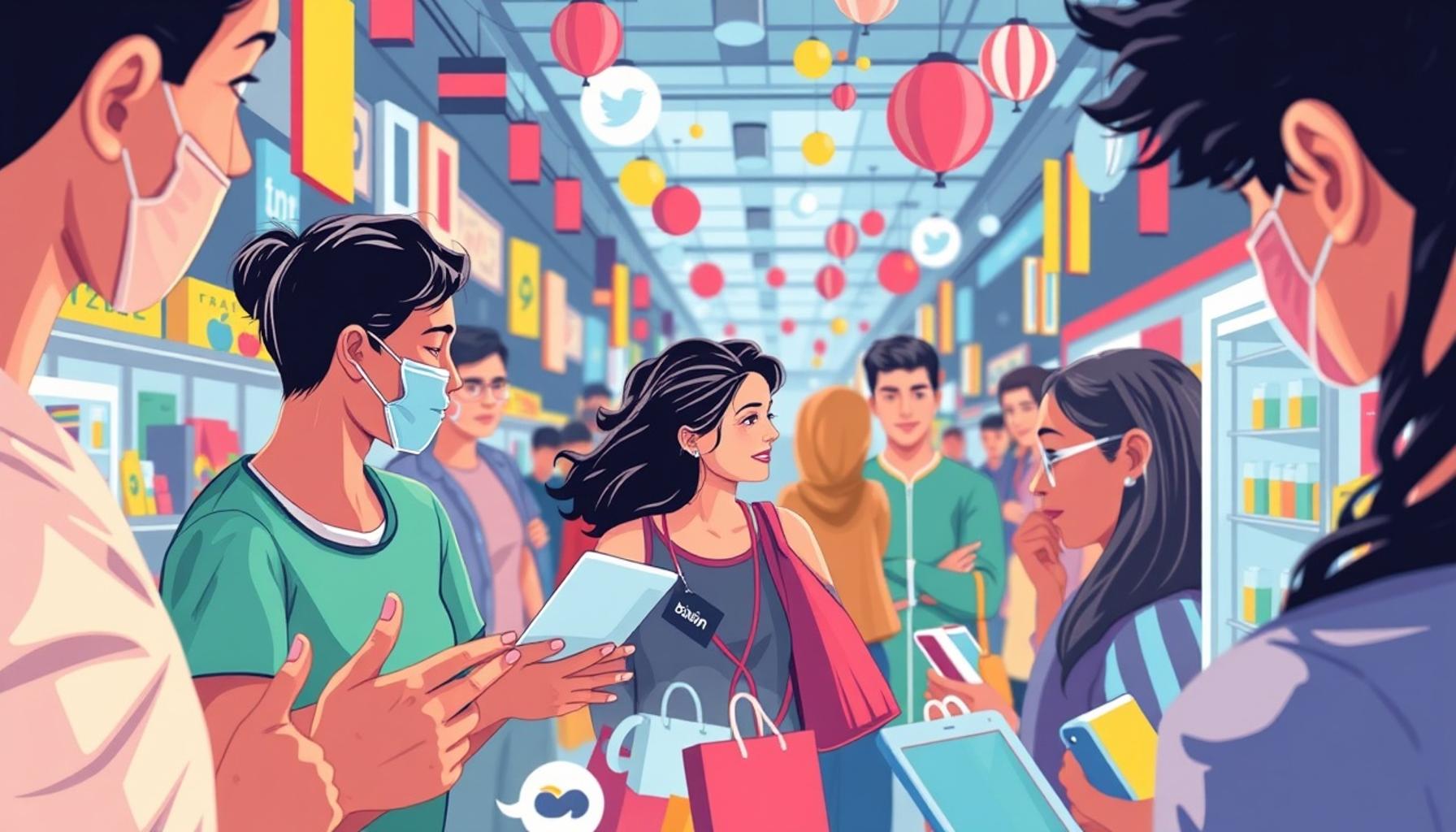
In recent years, social media has transformed from a mere communication tool into a powerful engine driving consumer behavior, especially in the realm of retail. This shift is particularly evident in fast-fashion brands like Shein, which strategically harnesses platforms like Instagram, TikTok, and Pinterest to capture the attention of a tech-savvy audience. Recognizing this influence is key for anyone looking to understand contemporary shopping trends.
Consider the first significant element that influences buying decisions through social media: Visual Appeal. Retailers like Shein have perfected the art of showcasing fashion items through striking visuals. High-quality images, vibrant colors, and meticulously curated social media feeds create an enticing digital storefront that captivates consumers. For instance, an Instagram post featuring an eye-catching outfit displayed against a picturesque backdrop can evoke aspiration and a desire to emulate that lifestyle, driving users to click ‘Shop Now’. Such visuals aren’t just appealing; they play a pivotal role in persuading consumers to buy on impulse.
Another critical aspect is Influencer Marketing. In a landscape where celebrity endorsements hold significant weight, popular influencers on social media platforms can sway their followers to embrace the latest trends. For instance, when a fashion influencer showcases their Shein haul in a TikTok video, they not only highlight individual pieces but create an ‘in-group’ appeal that encourages their followers to partake in the latest trends. Research indicates that over 49% of consumers rely on influencer recommendations when making purchasing decisions, making their role indispensable in modern marketing strategies.
Additionally, User-Generated Content further bridges the gap between brands and consumers. Potential buyers frequently seek authenticity in their purchasing journeys, looking for reviews, testimonials, and photos shared by real customers. Shein encourages this practice by creating community-driven hashtag challenges, where buyers post pictures of themselves in their outfits. This not only builds trust but also motivates others to purchase, knowing they are part of a larger community. The influence of seeing peers wearing the same clothing fosters a sense of belonging and enhances brand loyalty.
The rapidly evolving landscape of social media engenders a continuous flow of information that significantly shapes consumer perceptions and behaviors. By leveraging these platforms, Shein cultivates a sense of urgency and aspiration among its audience, capitalizing on limited-time offers and trendy drops to drive immediate sales. The interaction on these platforms is not merely transactional; it redefines consumer engagement, prompting a dynamic shopping experience that keeps shoppers returning for more.
In conclusion, the interplay of aesthetics, influencer endorsements, and community-driven content illustrates how brands like Shein adeptly navigate social media to augment their reach and foster brand loyalty. This exploration into the mechanisms through which social media influences purchase behavior opens up discussions about the future of retail, encouraging us to consider the implications of these trends on shopping habits across the United States and beyond.
DIVE DEEPER: Click here to discover more about Shein’s sustainable innovations</a
Understanding the Mechanics Behind Social Media Influence
The dynamics of consumer behavior in the age of digital communication hinge largely on how brands like Shein present themselves in the social media marketplace. The targeted outreach and engagement strategies employed are tailored to resonate deeply with their audience, particularly among younger demographics who are more susceptible to social media influences. To unpack this phenomenon, several elements come into play that showcase the psychological and behavioral impact of social media on purchase decisions.
The Role of Trend Cycles
In the fast-paced world of fashion, trend cycles have become rapid, and social media platforms are at the forefront of this shift. Brands like Shein capitalize on trending styles and viral challenges to create a sense of urgency among consumers. For instance, trending hashtags related to specific clothing items often spur rush purchases, as shoppers want to align themselves with the latest fashions. The immediacy provided by social platforms can make the difference between a consumer contemplating a purchase and one who is driven to buy quickly, influenced by the fear of missing out (FOMO).
- FOMO and Scarcity: The perception that a fashionable item may sell out quickly pushes consumers toward impulsive buying behavior.
- Trend Adaptation: Shein’s ability to introduce new styles that reflect contemporary aesthetics resonates particularly well on visual platforms, fostering a cycle where users frequently check for the latest items.
- Seasonal Influences: As seasons change, so too do styles. Social media helps communicate this shift promptly, ensuring consumers are always in tune with what’s current.
The Science of Social Proof
Another significant aspect is the concept of social proof, where consumers look toward the behavior of others to guide their purchasing decisions. Shein effectively utilizes this principle by encouraging customers to share their purchases on social media. This not only empowers brand advocacy but also showcases diversity in body types and styles, fostering a relatable environment for potential buyers. Consumers are more likely to trust the judgment of their peers over conventional advertising, making user-generated content a crucial asset in Shein’s marketing arsenal.
Statistics reveal that approximately 79% of consumers are influenced by user-generated content when making decisions about whether to purchase a product. Furthermore, the visibility of positive experiences shared by other customers creates an atmosphere of assurance and confidence for prospective buyers. When shoppers see their peers flaunting stylish outfits from Shein, it cultivates a sense of belonging and validation, enhancing brand loyalty.
As social media feeds continuously evolve, Shein is adept at maintaining relevance by using algorithms to promote products that align with users’ interests, thus personalizing the shopping experience. This practice leads to greater engagement and, ultimately, higher conversion rates, solidifying social media’s critical role in shaping the purchasing decisions of Shein consumers.
The Role of Influencers and User-Generated Content
Social media platforms have become vital in shaping the purchasing decisions of consumers, particularly in the context of fast-fashion brands like Shein. One major factor is the influence of social media influencers. These individuals often showcase Shein products in highly curated posts, creating an aspirational lifestyle that resonates with their followers. As a result, consumers may feel compelled to purchase these items to emulate the lifestyle depicted by these influencers.User-generated content (UGC) also plays a significant role in this dynamic. Many Shein consumers share their own outfits and reviews on platforms such as Instagram and TikTok, providing authentic insights into the shopping experience. This peer-to-peer interaction fosters a sense of community and trust, further encouraging potential buyers to engage with the brand. The visibility of UGC can significantly accelerate purchase decisions, as consumers seek validation from others before making a purchase.
Social Media Advertising and Targeting
Targeted advertising is another compelling aspect of social media’s influence on Shein consumers. Through sophisticated algorithms, platforms like Facebook and Instagram can serve tailored ads based on user behavior, preferences, and interests. This level of personalization maximizes engagement, as potential customers are presented with Shein products that align with their tastes. Moreover, eye-catching promotions such as flash sales and limited-time offers create a sense of urgency. The fear of missing out (FOMO) can drive impulsive buying behaviors, making social media ads a key driver of Shein’s sales. Studies have shown that consumers are more likely to act swiftly when prompted by persuasive ads, further illustrating the impact of social media on shopping behaviors.
Overall Brand Perception and Image
Finally, the cumulative effect of social media content shapes the overall brand perception of Shein among consumers. Positive engagement, aggregates of influencer endorsements, and user testimonials contribute to a strengthened image in the fast-fashion market. Consumers are influenced not only by the availability of products but also by the perceived social acceptance of purchasing from Shein. As consumers often rely on social proof, a strong online presence that projects style, affordability, and trendiness can profoundly affect their buying choices.As a result, understanding the multifaceted influence of social media on Shein consumers’ purchase decisions is critical for both marketers and consumers alike. With the rapid evolution of digital platforms, staying informed about these trends becomes essential for anyone looking to navigate the fast-fashion landscape.
DIVE DEEPER: Click here to discover more about sustainable innovations in fashion</
The Power of Influencer Collaborations
In recent years, the collaboration between brands and social media influencers has transformed the landscape of marketing strategies. Shein has adeptly navigated this space by partnering with influential figures across various platforms, particularly Instagram and TikTok. These influencers, often recognized for their fashion sense and authenticity, serve as conduits for Shein’s latest collections, driving traffic to the brand’s offerings while swaying their followers’ purchasing decisions.
Authenticity and Relatability
One of the primary reasons for the effectiveness of influencer collaborations lies in the authenticity of the endorsements. Unlike traditional advertisements, which can often feel impersonal and scripted, influencer promotions tend to convey a more relatable and genuine voice. This perception of real-life usage fosters trust among followers. For instance, a popular fashion influencer showcasing a Shein haul through engaging storytelling and real-life application can make followers more inclined to consider the brand seriously.
The emergence of micro-influencers has further emphasized this trend. With smaller but highly engaged audiences, micro-influencers often provide a more personal touch to their promotions. Brands like Shein benefit by reaching niche markets that align closely with their aesthetic and product lines. Statistics indicate that marketing campaigns involving micro-influencers can yield a 60% higher engagement rate compared to their macro counterparts, making them a strategic asset for driving purchases.
Creating a Sense of Community
Social media is not just a marketplace; it’s also a community hub. Shein taps into this concept by fostering online communities where consumers can share their thoughts, outfits, and reviews. This feedback loop creates a unique ecosystem where potential buyers can see how their peers integrate Shein products into their daily lives. Platforms like TikTok have given rise to trends such as “Shein try-on hauls” or “outfit of the day” (OOTD) posts, which showcase product versatility and build a sense of community among Shein enthusiasts.
The impact of these communities is significant; it bolsters brand loyalty and encourages consumers to interact with Shein on multiple levels, whether it’s through comments, shares, or participation in challenges. As a direct result, the likelihood of making a purchase increases when users are engaged in discussions about products within their social circles. Shein has skillfully used social media to create a culture where consumers not only shop but also share experiences, forming a bond that fuels repeat purchases.
Targeted Advertising and Algorithmic Precision
Algorithm-driven content on platforms such as Instagram and Facebook also plays a crucial role in influencing Shein consumers’ purchasing decisions. By analyzing user behavior, interests, and preferences, these platforms serve tailored advertisements that showcase Shein products, often at opportune moments. For instance, when a user interacts with fashion-related content, the algorithms will prioritize Shein ads in their feed, thereby increasing the likelihood of purchase.
This precision in advertising can be seen in campaigns where Shein utilizes data analytics to identify trending styles and items. By aligning their inventory with consumer interests, they can present popular items just when the consumers are most likely to be persuaded to buy. Expert analysis suggests targeted advertising can improve conversion rates by as much as 30%, underscoring the significant advantage that data-driven strategies offer to brands like Shein.
As these trends continue to develop, the symbiotic relationship between Shein and social media will likely become even more entrenched, ultimately shaping the future of fashion retail.
DISCOVER MORE: Click here to learn about Shein’s innovative approach to sustainability</a
Conclusion
The intricate web of social media influence on the purchase decisions of Shein consumers is a fascinating phenomenon that reflects broader trends in retail and consumer behavior. As explored throughout this article, Shein has successfully leveraged the rise of influencers and community engagement to create a dynamic marketing environment that resonates deeply with potential buyers. The power of influencer partnerships lies in their ability to convey authenticity and relatability, pulling consumers closer to the brand and reinforcing a sense of trust.
Additionally, the sense of community fostered through social media platforms plays a pivotal role in shaping purchasing decisions. Shein’s cultivation of customer interactions, feedback, and shared experiences turns everyday shoppers into brand advocates, resulting in increased loyalty and repeat purchases. Moreover, the application of data-driven targeted advertising has enabled Shein to reach its audience with precision, presenting products at precisely the right moment, thus maximizing conversion rates.
As we move forward, it is essential to recognize that the influence of social media on consumer purchase behavior is likely to evolve further. Brands like Shein will need to adapt to ongoing changes in digital landscapes, audience preferences, and emerging technologies. For consumers, this landscape presents a double-edged sword—while it offers myriad choices and styles, it also necessitates a discerning approach to purchasing in an age defined by mediated experiences.
Understanding the nuances behind social media’s impact on Shein consumers not only highlights the brand’s strategic prowess but also underscores the broader shifts occurring in the retail sector. As Millennial and Gen Z consumers continue to prioritize authenticity and community in their shopping habits, the implications for future marketing strategies remain vast and ripe for exploration.

Linda Carter
Linda Carter is a writer and expert known for producing clear, engaging, and easy-to-understand content. With solid experience guiding people in achieving their goals, she shares valuable insights and practical guidance. Her mission is to support readers in making informed choices and achieving significant progress.