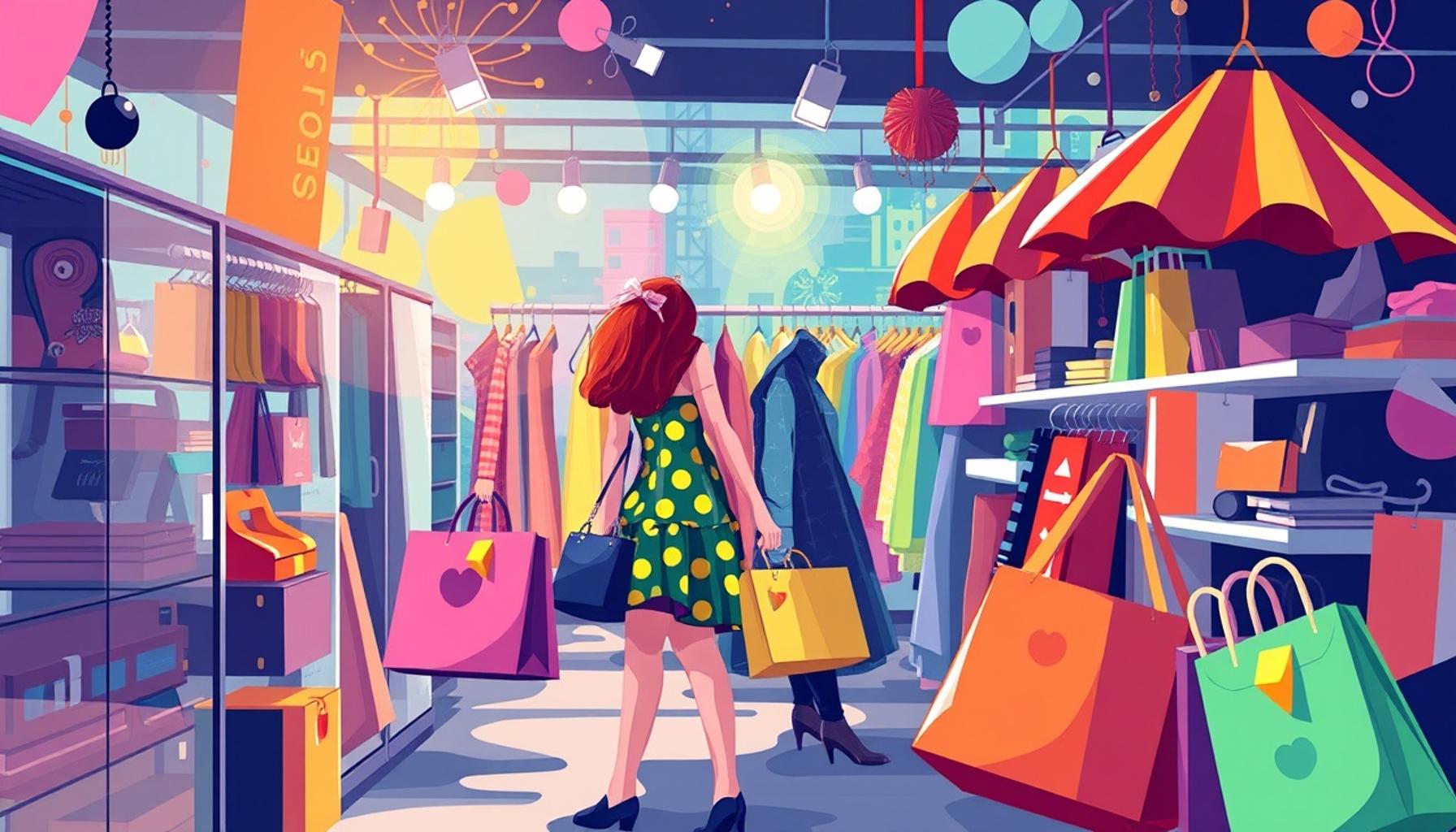
Fast Fashion Trends: The Impact of Shein on Young Adults’ Style Preferences

Understanding Shein’s Role in Fashion for Young Adults
In recent years, Shein has rapidly emerged as a predominant force in the fashion choices of young adults across the United States. This fast fashion giant’s ability to provide trendy clothing at prices that often feel like a steal has not only captured the attention of the youth but has also significantly influenced their style preferences and consumption habits. The brand’s impressive production speed, paired with a robust online presence, has revolutionized the fabric of contemporary fashion.
Several key factors contribute to Shein’s profound impact on the fashion landscape:
- Affordability: With prices often as low as $5 for a trendy top or $20 for a stylish dress, Shein has made fashion incredibly accessible to young consumers, particularly college students and early career professionals. This level of affordability means that individuals can frequently update their wardrobes without the financial strain associated with traditional retail shopping.
- Trendy Designs: Shein’s commitment to staying on the cutting edge of fashion is evident in its constantly refreshed inventory. This allows young adults to explore their individual style and engage with a plethora of designs that reflect current trends. From oversized graphic tees to chic athleisure, Shein’s offerings cater to diverse tastes and preferences.
- Social Media Influence: Platforms like TikTok and Instagram play an integral role in amplifying Shein’s market presence. Influencers and everyday users alike showcase their Shein hauls, creating viral trends that resonate within youth culture. This social media momentum not only fosters a sense of community and shared experience among young consumers but also encourages impulsive buying through targeted marketing.
This phenomenon raises crucial questions surrounding sustainability and ethical consumption. While the allure of fast fashion makes it easier to indulge in new styles, it also brings to light the environmental consequences associated with mass production and waste. A growing number of young adults find themselves grappling with the tension between their desire for the latest trends and the pressing need for responsible consumer behavior. Additionally, how does the ever-changing landscape of fashion influence personal identity and self-expression? As young adults navigate their fashion choices, they inadvertently shape societal trends and cultural narratives.
This article will delve deeper into Shein’s extensive impact on young adults’ fashion choices, illuminating the complex relationship between fast fashion trends and personal expression. By examining these dynamics, we can gain valuable insights into the implications for both consumers and the environment. In a world where fashion is more than just clothing but rather a reflection of individuality, understanding Shein’s role becomes imperative.
DIVE DEEPER: Click here to learn more
The Allure of Shein: How a Digital Marketplace is Shaping Style
As young adults increasingly turn to digital marketplaces for their fashion needs, Shein stands out not just for its affordability, but also for its incredibly responsive approach to trends. The brand’s ability to analyze social media chatter, consumer behavior, and fashion week highlights allows it to produce styles at an unprecedented speed. In fact, it is estimated that Shein introduces over 6,000 new items daily, ensuring that there is always something fresh to entice fashion-savvy youths.
This rapid turnover of inventory provides a unique shopping experience that aligns perfectly with today’s fast-paced lifestyle. Young adults are not just buying clothes; they are buying into a lifestyle that promotes constant change and reinvention. Consequently, Shein has capitalized on the idea that fashion is no longer about investing in a few high-quality pieces but embracing a model where you can own countless items at a low cost. Below are critical elements that underline Shein’s impact:
- Impulse Purchases: The simplicity of online shopping combined with enticing sales often leads to unconsidered purchases. A study has indicated that over 70% of young shoppers make impulse buys while browsing e-commerce sites, particularly when they see items styled by influencers they trust. This behavior is sharply seen on Shein’s platform, where discounts and promotional offers create a sense of urgency to buy now rather than later.
- Variety and Personalization: Shein’s vast selection enables users to explore not only what’s trendy but also what resonates with their personal style. The platform employs algorithms that recommend items based on past purchasing behaviors, mirroring the personalized shopping experiences found in physical boutiques but on a colossal scale.
- Culture of Sharing: As young adults curate their fashion choices, platforms like TikTok increasingly serve as stages for showcasing unique looks. Shein’s association with the #SheinHaul trend epitomizes how young consumers showcase the diversity of their style using Sha-in’s vast offerings. This sharing culture leads to a digital wardrobe revolution, where fashion choices are publicly celebrated and dissected.
While Shein makes fashion accessible, the social implications of this accessibility raise questions about quality and ethical consumption. Critics argue that such low prices come at the expense of sustainable practices, presenting a paradox for a generation that is more environmentally conscious than ever. As young shoppers engage with Shein’s offerings, they are faced with a dilemma: the temptation of fast fashion versus the ethical responsibilities that accompany conscious consumption.
In this context, it’s crucial to understand that Shein is not just a brand; it symbolizes a broader shift in consumer behavior. The shift prompts young adults to define style on their terms—simultaneously embracing trends while navigating the complexities of individuality vs. conformity. Understanding this landscape is critical as we explore how Shein continues to mold young adults’ style preferences in the fast fashion era.
Examining Shein’s Role in Shaping Style Preferences
The phenomenon of fast fashion has markedly altered the landscape of personal style, particularly among young adults. One of the most notable players in this arena is Shein, a brand that has not only expanded its reach but has also reshaped fashion consumption patterns. Shein’s business model revolves around rapidly producing trendy clothing at remarkably low prices. This strategy resonates with young consumers who frequently seek new styles to express themselves. The ease of access to a wide variety of options allows young adults to experiment with their style without the fear of overspending. The incorporation of social media platforms further amplifies this trend, as influencers often showcase Shein’s latest offerings, creating a continuous cycle of demand and instant gratification. Moreover, Shein’s marketing strategies, which include extensive collaborations with influencers and the adoption of social media challenges, have developed a community of young fashionistas eager to share their latest finds. This creates not just customers, but a loyal following that feels a sense of belonging to a larger fashion movement.However, alongside the benefits lies significant concern regarding sustainability. As the trend of constant consumption grows, so do the environmental consequences. The fast-paced nature of Shein’s production implies a heavy reliance on natural resources and labor practices that could be detrimental. Discussions surrounding ethical fashion have gained momentum, urging a reevaluation of style preferences influenced by brands like Shein.In summary, while Shein caters to young adults’ desire for affordability and novelty in fashion, it also poses challenges related to sustainability and ethical considerations in the fast fashion sector. As consumers become more aware of these issues, the dynamic between accessibility and responsibility becomes a critical conversation in shaping future style preferences.
| Advantages of Shein | Key Features |
|---|---|
| Affordability | Offers trendy clothing at low prices, making fashion accessible. |
| Variety | Provides a vast selection of styles, encouraging personal expression. |
| Influencer Engagement | Collaborates with popular figures, enhancing brand visibility and fostering community. |
This section intertwines the advantages and the broader societal implications of Shein’s influence on the young adult demographic, encouraging readers to delve deeper into the intersection of fashion, affordability, and ethical considerations.
DISCOVER MORE: Click here to learn how Shein distinguishes itself
The Psychological Factors Driving Shein’s Popularity Among Young Adults
Examining the phenomena surrounding Shein goes beyond its marketing strategies and impressive collections; it also delves into the psychological factors that resonate deeply with young adults. In a world increasingly driven by social media, the need for immediate gratification plays a pivotal role in the appeal of Shein and, more broadly, the fast fashion industry.
- Instant Gratification: The thrill of receiving a package filled with trendy clothing just a few days after purchase offers a dopamine rush that is hard to resist. For young adults navigating busy lifestyles filled with stressors like schooling and entry-level jobs, the ability to obtain affordable, trendy styles quickly fulfills their desire for instant satisfaction. Studies have shown that immediate rewards can enhance feelings of happiness, reinforcing the shopping habit.
- Fear of Missing Out (FOMO): The social dynamic plays a significant role in Shein’s success. With influencers and peers flaunting their latest Shein hauls across platforms like Instagram and TikTok, young adults may feel compelled to keep up. This creates a culture of FOMO, where the thought of missing out on the latest trend can drive impulsive buying decisions. A report indicated that around 60% of young shoppers often purchase items out of a fear of not following trends.
- Identity Exploration: Young adults often view their clothing choices as extensions of their identities. Shein allows for experimentation, helping consumers navigate various styles without the financial burden of traditional retail. The vast array of choices empowers them to explore different aesthetics, from bohemian to streetwear, paving the way for self-expression. Research shows that as individuals transition into adulthood, fashion serves as a key vehicle for identity exploration.
This identity formation is compounded by the community aspect of fashion on social media. Shein has effectively navigated the delicate balance between individuality and community, allowing young adults to fit in while simultaneously standing out. Styles are not just clothing but narratives that individuals construct and showcase, making each purchase a contribution to their personal story.
However, it’s essential to address the hidden costs of this polyvocal fashion dialogue. With so many options available, young adults often encounter paralysis by analysis, a phenomenon where the sheer volume of choices can lead to indecision and anxiety. Instead of feeling empowered, some users report feeling overwhelmed and frustrated by the constant influx of new styles driving them to spend more time browsing than actually committing to any single purchase.
Data indicates that more than 50% of young shoppers engage in returning items, with Shein’s return policy making it easy to send back unwanted pieces. This issue addresses a potent paradox within the Shein ecosystem: while the appeal of unlimited choices is intoxicating, the experience can often lead to a cycle of overconsumption and waste.
As the landscape of fashion preferences shifts alongside the rise of digital marketplaces like Shein, it is vital to understand the implications of these changing dynamics. Young adults are not just consumers; they are active participants in a reiterative cycle of consumption, identity formation, and social engagement that continues to redefine what fashion means in the fast-paced digital age.
DISCOVER MORE: Click here to learn how digital technologies are reshaping logistics
Conclusion
In conclusion, the rise of Shein as a dominant force in the fast fashion landscape has dramatically reshaped the style preferences of young adults in today’s digital age. As we have explored, key psychological factors—such as the desire for instant gratification, the prevalence of FOMO, and the journey of identity exploration—contribute to its allure and transformative effect on fashion consumption patterns. The immediacy of trendy styles and affordable pricing creates a compelling shopping experience, particularly for a generation that thrives on the convenience offered by online platforms.
However, this whirlwind of fashion choices brings with it critical considerations. The phenomenon of overconsumption connected to the thrill of new arrivals, coupled with the emotional toll of constant comparison in social media spaces, underscores the paradox of choice within the Shein universe. Young adults are not merely consumers but engrained participants in a cycle that questions the sustainability of such consumption patterns. They face a conundrum of feeling liberated by their fashion but also constrained by the overwhelming pressure to keep up.
As we look forward, it becomes vital to address not only the economic implications of fast fashion but also its broader societal impact. Research and dialogues surrounding conscious consumption and sustainable fashion movements can equip young adults with the tools they need to navigate these changes while fostering their unique styles. Understanding the fine balance between self-expression and overconsumption may lead to more informed choices, ultimately reshaping their identity through fashion in responsible and thoughtful ways. The journey of style preferences among young adults is far from static; it is an evolving narrative that challenges the definition of fashion in a world saturated with options.

Linda Carter
Linda Carter is a writer and expert known for producing clear, engaging, and easy-to-understand content. With solid experience guiding people in achieving their goals, she shares valuable insights and practical guidance. Her mission is to support readers in making informed choices and achieving significant progress.