
The Future of Education: How Technology Is Changing Learning in Virtual Environments
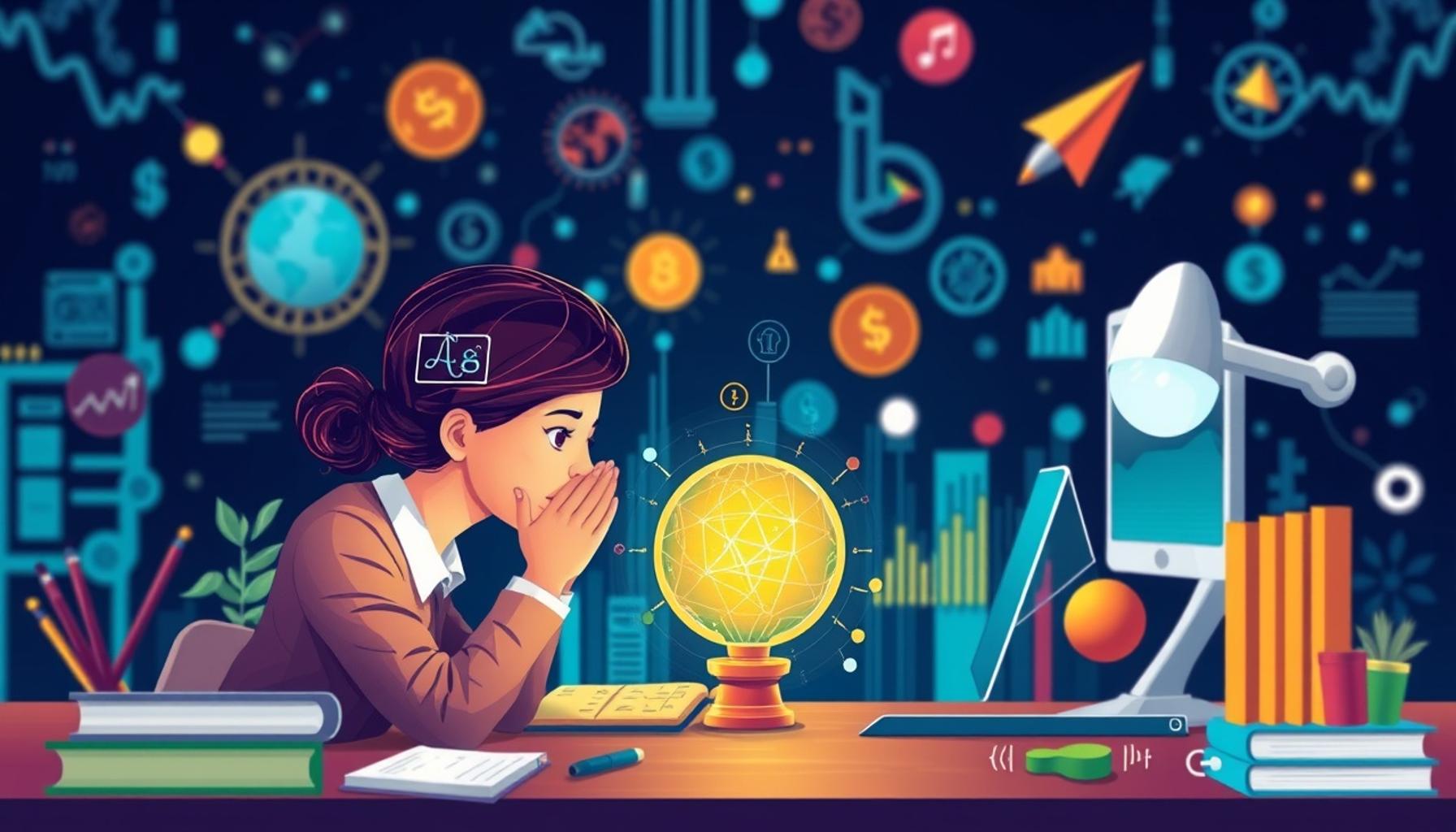
Transforming Education Through Technology
Advancements in technology are reshaping the educational landscape, leading to a revolution in how learning is approached. As educators and students leverage innovative tools, the traditional classroom experience is evolving into more dynamic and interactive settings. This ongoing transformation is equipping learners with essential skills and knowledge required to thrive in a rapidly changing world.
Accessibility
One of the most significant benefits of technological advancements in education is enhanced accessibility. Online platforms and resources, such as Khan Academy or Coursera, provide educational materials to students regardless of their geographical location. For instance, a student living in a remote area can access the same quality of education as someone in a major city, allowing for equitable learning opportunities. This inclusivity not only bridges the educational gap for underprivileged learners but also caters to students with disabilities through specialized tools that assist their learning journey.
Interactive Learning
The introduction of technologies like virtual reality (VR) and augmented reality (AR) is redefining how students engage with content. Imagine a biology class where students can explore the human body in 3D using VR headsets, giving them a firsthand experience of anatomy and physiology. Similarly, AR applications can enhance history lessons by allowing students to visualize ancient civilizations in their classroom. These immersive experiences promote deeper understanding and retention of information, making learning more engaging.
Personalization
Technological tools also enhance the personalization of education. Adaptive learning software, such as DreamBox or IXL, tracks individual student performance and adjusts content accordingly, ensuring that each learner progresses at their own pace. For example, if a student struggles with multiplication, the software will provide additional practice and tailored resources until they master the concept. Additionally, personalized learning plans foster student motivation by allowing them to take ownership of their education.
Collaboration
Collaboration is another key aspect altered by technology. Digital tools, including Google Classroom and Microsoft Teams, enable students to connect and work together on projects regardless of their physical location. Group assignments can now be executed seamlessly, with students contributing ideas and resources in real time, fostering vital teamwork and communication skills. For example, students from different schools can collaborate on a science project, bringing together diverse perspectives and enhancing their learning experience.
As we embrace these technological innovations, educators are tasked with creating engaging and effective learning experiences. It is essential for students, parents, and teachers to stay informed about these changes, as understanding them is crucial in preparing for a future that increasingly relies on digital competencies. Navigating this new normal in education opens doors to enhanced opportunities, ensuring that the next generation is well-equipped for the challenges of tomorrow’s workforce.
DISCOVER MORE: Click here to learn about AI’s influence in the creative realm
Redefining Learning Opportunities
As technology continues to evolve, its integration into the educational system creates a plethora of learning opportunities that were previously unimaginable. With the rise of online education and virtual classrooms, students are not just passive recipients of information; they are becoming active participants in their own learning journey. This shift encourages a more autonomous approach to education, where students are empowered to explore subjects that interest them.
Flipped Classrooms
One innovative model that has gained traction in recent years is the flipped classroom model. In this setup, traditional in-class learning and homework assignments are reversed. Students watch instructional videos or engage with online materials at home, allowing them to arrive at class prepared for in-depth discussions and collaborative activities. For instance, a high school math teacher might assign students to watch a tutorial on quadratic equations before class. During the classroom session, students can work on complex problem-solving in groups, receiving guidance as they apply the knowledge they’ve gained. This model not only makes the best use of classroom time but also promotes deeper comprehension through interactive exploration.
Gamification of Learning
The gamification of education is another exciting trend that leverages technology to engage students. By incorporating game elements such as points, badges, and leaderboards into educational activities, teachers can motivate learners to participate actively. For instance, platforms like Kahoot! allow educators to create interactive quizzes that transform assessments into fun competitive games. This creates an exciting atmosphere for learning, particularly for younger students who may otherwise struggle with traditional instructional methods.
Online Communities and Networking
The creation of online learning communities also plays a crucial role in the educational experience. Social media platforms and dedicated forums enable students to share ideas, resources, and feedback in a collaborative environment. For example, platforms like Edmodo function similarly to Facebook but are tailored for educational purposes, connecting students and teachers in dynamic discussions. These communities foster a sense of belonging and support, especially important for learners who may feel isolated in traditional education systems.
- Enhanced access to a wider range of resources
- Real-time feedback and personalized support
- Opportunities to engage with experts and peers beyond local boundaries
As technology continues to reshape educational methodologies, it is essential for individuals—whether students, educators, or parents—to adapt to these changes. Embracing new learning modalities is essential in preparing young minds for a digital and interconnected future. As educators skillfully incorporate these tools, they are not just teaching subjects; they are equipping students with crucial life skills that will serve them well in an increasingly complex world.
DIVE DEEPER: Click here to learn more
Personalized Learning Experiences
One of the most significant advantages of technology in education is its capacity to facilitate personalized learning experiences. Unlike traditional classrooms, where one-size-fits-all instruction may overlook individual learning needs, technology allows for tailored educational experiences that cater to each student’s unique strengths and weaknesses.
Adaptive Learning Systems
Adaptive learning systems utilize algorithms to assess a student’s understanding and skills, adjusting the curriculum in real-time. For example, platforms like DreamBox Learning in mathematics adapt lesson paths based on student performance. If a student struggles with a particular concept, the program presents additional practice questions and alternate explanations until comprehension is achieved, ensuring that they master the material at their own pace. This ongoing assessment not only fosters a sense of achievement in students but also helps teachers identify areas needing further support.
Virtual Reality (VR) in Education
The incorporation of virtual reality (VR) technology into the classroom represents an inspiring frontier in education. VR provides immersive learning environments that can transport students to different times and places, enriching their understanding of complex subjects. For instance, a history class can leverage Google Expeditions to take students on a virtual field trip to ancient Rome, allowing them to experience historical sites as if they were actually there. Such experiences deepen engagement and retention, as students can visualize and interact with the material rather than merely reading about it.
Accessible Education for All
Technology serves as a powerful equalizer in education, ensuring that accessible education is available to all students, regardless of their geographical location or socio-economic background. Online courses and resources enable learners in remote areas to access quality education that may not be available locally. For instance, platforms like Khan Academy offer a vast array of free resources, ranging from basic arithmetic to advanced calculus, which students can utilize at any time. This democratization of knowledge empowers learners from diverse backgrounds to pursue their educational goals without the financial burden of traditional educational institutions.
- Inclusive learning materials tailored for special needs
- Language translation tools to bridge communication gaps
- Economic opportunities through scholarships and grants for online programs
As we leverage these technological advancements, it is vital to remember that while technology can enhance the educational experience, it should complement traditional teaching methods rather than replace them. Educators play a crucial role in guiding students through these changes and ensuring they can harness the benefits of technology while developing critical thinking, creativity, and interpersonal skills necessary for future success. With these tools at their disposal, teachers can foster a more inclusive and effective learning environment that prepares students for the demands of the digital age.
DIVE DEEPER: Click here to discover more about sustainability in fashion</p
Looking Ahead: Embracing the Future of Education
As we delve into the remarkable transformation of education through technology, it becomes abundantly clear that we are standing at the cusp of a new era in learning. The incorporation of tools such as adaptive learning systems and virtual reality is not merely enhancing the educational landscape but redefining it by creating personalized and immersive experiences that engage students in unprecedented ways. By allowing individuals to learn at their own pace and catering to their unique needs, technology fosters a sense of agency and ownership over one’s education.
Moreover, the movement towards accessible education ensures that quality learning opportunities are bridging gaps across socio-economic and geographical barriers, empowering all students to achieve their potential. As resources become increasingly democratized, learners from all walks of life can access invaluable knowledge and skills, fundamentally reshaping the societal fabric.
Looking forward, it is crucial to remember that while technology serves as a powerful ally, the essence of education remains in the human connection. Educators must embrace these innovations, leveraging them to complement traditional teaching methods and to enrich the learning experience. By balancing technology with personal guidance and mentorship, we can equip students with essential skills—critical thinking, creativity, and collaboration—that are vital for thriving in the digital age.
In conclusion, as we continue to explore and integrate technology in educational settings, we must remain committed to fostering environments that inspire curiosity, inclusivity, and lifelong learning. The future of education is indeed bright, and by embracing these advancements, we are paving the way for a generation of learners who are well-prepared to navigate an ever-evolving world.

Linda Carter
Linda Carter is a writer and expert known for producing clear, engaging, and easy-to-understand content. With solid experience guiding people in achieving their goals, she shares valuable insights and practical guidance. Her mission is to support readers in making informed choices and achieving significant progress.