The Influence of 5G Networks on User Experience and Connectivity
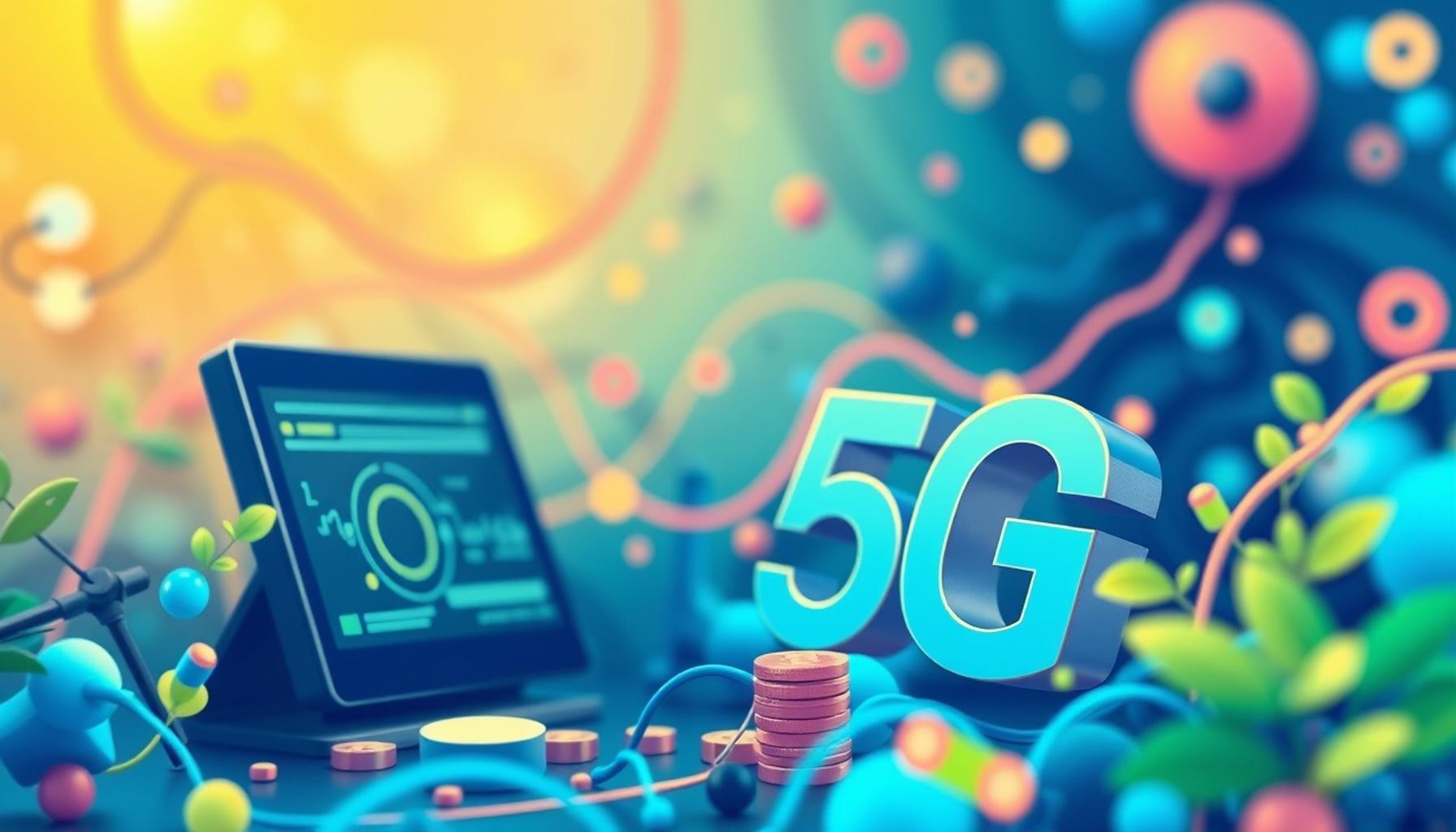
Understanding the Impact of 5G Networks
As we delve into the transformative potential of 5G networks, it’s essential to appreciate the profound implications this technology holds for telecommunications and overall user experience. Unlike its predecessor, 4G, which significantly improved mobile connectivity, 5G is poised to usher in a new era by combining speed, capacity, and low latency to enhance how we interact with digital environments.
One of the standout features of 5G is its faster download speeds. With capabilities soaring up to 100 times faster than 4G, users can expect to download a full-length HD movie in just seconds instead of minutes. This elevated speed isn’t merely for content consumption—it opens the door to new possibilities in areas such as medicine, where large files like MRI scans can be shared instantly between specialists across the globe, ultimately improving patient care.
Moreover, low latency is another critical advantage of 5G networks. With response times dramatically reduced to as low as one millisecond, the potential for real-time interactions expands exponentially. Consider the realm of online gaming, where split-second decisions can mean the difference between winning and losing. Gamers can experience seamless gameplay without lag, which could also enhance the burgeoning field of eSports, turning it into an even more competitive and exhilarating experience.
The increased network capacity that 5G offers is particularly beneficial for urban environments, where numerous devices compete for connectivity. In a bustling metropolitan area, a single cell tower can support thousands of devices simultaneously without a dip in quality. This aspect of 5G becomes critical as smart wearables, smart homes, and Internet of Things (IoT) devices proliferate. For instance, imagine an urban landscape where traffic lights, public transportation, and emergency services communicate in real-time to enhance traffic management, reduce congestion, and improve public safety.
Enhanced User Experiences and Applications
As these advanced features develop, the typical user experience is set to improve dramatically. For example, streaming high-definition videos without any buffering will quickly become the standard. This capability will allow users to watch their favorite shows or videos anywhere, whether on a crowded subway train or in a park, with seamless quality.
Additionally, the evolution of augmented reality (AR) and virtual reality (VR) applications will become immensely more immersive. Retail stores, for instance, may utilize AR to allow customers to visualize products in their own homes before making a purchase, creating a more informed and enjoyable buying experience.
Furthermore, as cities adopt smart technologies, 5G will enable an ecosystem where IoT devices communicate effortlessly. From smart thermostats that adjust heating based on weather forecasts to sensor-equipped garbage bins that notify sanitation services when they are full, daily life will be enhanced through this seamless connectivity.
In summary, the rollout of 5G networks signifies a monumental shift in telecommunications. Its high speeds, low latency, and increased capacity not only promise improved user experiences but also foster new innovations across various sectors, ultimately reshaping how we live and work. Through exploring real-world applications and user feedback, we can better understand the outstanding impact of this revolutionary technology.
DISCOVER MORE: Click here to uncover the evolution of Shein’s business model
Transforming Connectivity Through 5G
With the advent of 5G networks, the landscape of connectivity is entering a realm previously deemed the stuff of science fiction. One of the most significant transformations lies in the realm of smart cities. As urban environments leverage 5G technology, the integration of various services becomes more streamlined and efficient. For instance, in a smart city, traffic management systems can analyze real-time data from vehicles and pedestrians, enabling quicker responses to accidents or congestion. This not only enhances the flow of traffic but also improves safety and environmental sustainability.
5G technology also has profound implications for remote work and telecommuting. As many companies have transitioned to hybrid or fully remote models, having a reliable and high-speed internet connection is more crucial than ever. With 5G, employees can seamlessly attend virtual meetings, share large documents, and collaborate on projects without the frustrating lag that often accompanies slower networks. This will ultimately foster a better work-life balance, allowing individuals to work efficiently from various locations, whether at home or in a coffee shop.
Revolutionizing Industries with 5G
The influence of 5G extends beyond individual user experiences to entire industries. Specific sectors that stand to benefit tremendously include:
- Healthcare: Telemedicine will see a significant boost, allowing doctors to conduct remote examinations and share patient data instantly. This mode of operation can expand medical access in rural areas.
- Automotive: Connected vehicles will harness 5G to facilitate vehicle-to-vehicle (V2V) and vehicle-to-infrastructure (V2I) communications, enhancing safety features and navigation.
- Entertainment: Streaming services will be revolutionized, as users can access 4K and VR content with minimal buffering. This advancement will enable more immersive experiences, especially in gaming.
Moreover, the incorporation of artificial intelligence (AI) and machine learning paired with 5G can lead to smarter analytics and predictive systems. For example, retail businesses can analyze consumer behavior in real-time, tailoring their offerings based on immediate data trends. This not only enhances user experience but also drives sales and customer satisfaction.
As we continue to explore these advancements, it is crucial to recognize that the full potential of 5G technologies may not be realized immediately. Various factors, including infrastructure development and consumer adaptation, will play significant roles in determining how quickly these benefits materialize. However, the outlook remains optimistic, with a future that promises not only enhanced user experiences but also a redefined connectivity landscape that can meet the demands of an increasingly digital world.
DISCOVER MORE: Click here to dive deeper
Enhancing User Experience through 5G Innovations
As we delve deeper into the capabilities of 5G technology, it becomes clear that the impact on user experience is substantial and multifaceted. The evolution of Internet of Things (IoT) devices stands as a significant illustration of this transformation. With 5G’s low latency and greater bandwidth, millions of connected devices can communicate efficiently, forming intelligent ecosystems in both home and industrial settings. Imagine a smart home where appliances, security systems, and energy management tools work together seamlessly—adjusting the thermostat automatically based on your preferences, securing entryways, and optimizing energy usage in real-time. Such advancements not only make life more convenient but also empower users to manage their environments more sustainably.
Furthermore, 5G has the potential to enhance augmented reality (AR) and virtual reality (VR) experiences significantly. Industries such as real estate and education can utilize these technologies to provide rich interactive content. Picture a real estate agent showcasing properties through virtual tours, where potential buyers can explore homes from the comfort of their couches, experiencing every corner without stepping foot inside. Similarly, educators can immerse students in historical events or complex scientific concepts through interactive simulations, fostering deeper understanding and engagement.
Community and Collaboration in a 5G World
The social implications of 5G technology are profound as well. The increased connectivity opens new avenues for community engagement and collaboration. Events such as community town halls, local fundraisers, or art exhibitions can be streamed live, reaching wider audiences without geographical barriers. With 5G, social media platforms can improve live broadcasting quality, offering an enriched experience for users who participate in real-time discussions. This fosters a sense of belonging and community, bridging the gap between different demographics.
Additionally, the role of 5G in education cannot be overstated, especially as learning modalities have shifted to include more digital resources. Students can access high-resolution educational materials, participate in online group projects, and engage with teachers in real-time from any location. For instance, remote learning programs can leverage 5G to ensure that all students, regardless of their physical location, receive an equitable educational experience. This accessibility is particularly crucial in rural areas where high-speed internet has traditionally been limited.
- Retail: The shopping experience will also benefit from 5G technology. Retailers can employ AR to allow customers to visualize how products fit into their homes or lives before making a purchase, enhancing decision-making and satisfaction.
- Gaming: The gaming industry is poised for a revolution with 5G. Gamers can expect smoother graphics, reduced loading times, and the ability to play high-definition multiplayer modes without latency, resulting in a more enjoyable gaming experience.
As the adoption of 5G networks continues to expand, exploring the possibilities surrounding user experience and connectivity will be a fundamental task. This technological leap offers a glimpse into a future where connectivity is faster, more reliable, and incredibly intelligent, fundamentally changing not only how we interact with technology but also how we engage with each other in our daily lives.
DISCOVER MORE: Click here for free item tips
Conclusion: The Transformative Potential of 5G Networks
In summary, the arrival of 5G networks marks a significant milestone in technology, profoundly reshaping user experience and connectivity across various facets of life. From the profound enhancement of Internet of Things (IoT) devices to the elevation of AR and VR applications, 5G is not just about faster internet; it embodies a revolution in how we interact with technology and each other. The implications of this innovation extend to every sector, including education, healthcare, retail, and entertainment, allowing for seamless and meaningful interactions.
Furthermore, as 5G democratizes access to high-speed internet, it nurtures community dynamics by facilitating engagement and collaboration in ways previously unimaginable. Live streaming of local events or interactive online classrooms becomes the norm, allowing diverse populations to connect regardless of their physical locations. Such advancements create inclusivity and foster relationships in increasingly digital environments.
As we look toward the future, embracing the transformative potential of 5G technology is essential. Users will not only benefit from enhanced connectivity but also gain access to a plethora of smarter, more integrated experiences. However, it is crucial to remain mindful of the challenges that come with this shift, such as privacy concerns and ensuring equitable access for all. Ultimately, the full realization of 5G’s promise depends on our ability to harness its capabilities responsibly and innovatively. The journey has just begun, and its impact on society will be profound and long-lasting.

Linda Carter
Linda Carter is a writer and expert known for producing clear, engaging, and easy-to-understand content. With solid experience guiding people in achieving their goals, she shares valuable insights and practical guidance. Her mission is to support readers in making informed choices and achieving significant progress.