The Role of Artificial Intelligence in Shein’s Market Decisions
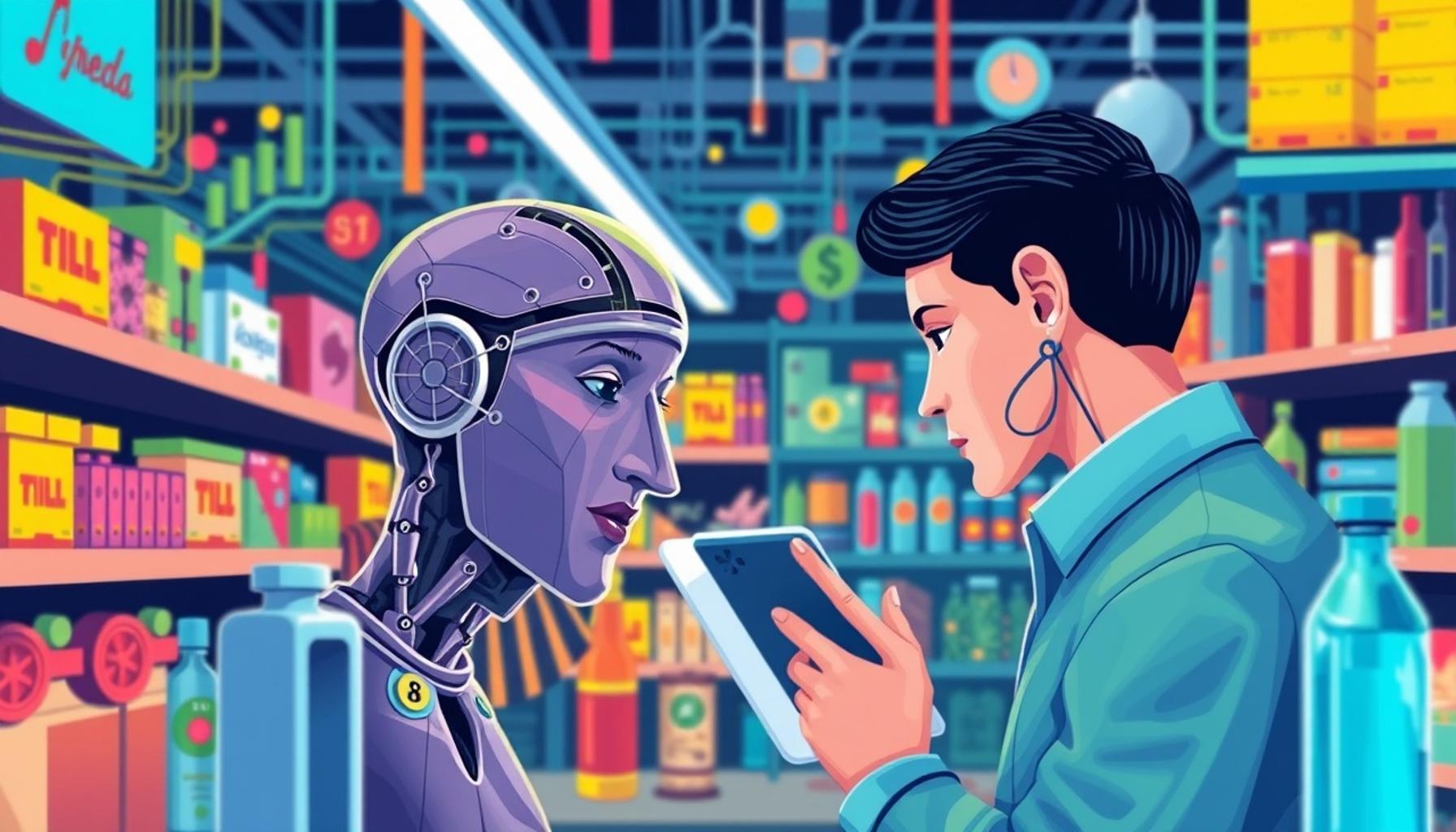
The Role of Advanced Technology in Fashion Retail
In the dynamic landscape of fashion retail, few companies have made such a significant impact as Shein. Their innovative approach, underpinned by the use of advanced technology, has established them as a formidable player in the market. Central to their strategy is the integration of artificial intelligence (AI), which serves as a pivotal element not only for operational efficiency but also in shaping critical business decisions.
Key Technologies Driving Shein’s Success
AI plays several vital roles in Shein’s operations, each contributing to their remarkable ability to pivot in a fast-changing market. Here are some ways in which AI shapes their business:
- Data Analysis: Shein leverages AI systems that analyze enormous amounts of consumer data, allowing them to accurately forecast fashion trends and consumer preferences. By utilizing algorithms that process information from social media interactions, website visits, and sales data, Shein can anticipate what styles will become popular before they genuinely reach the mainstream.
- Inventory Management: Machine learning algorithms enhance Shein’s stock management by precisely predicting demand for specific items. For instance, if data indicates a surge in searches for oversized jackets during autumn, the system adjusts inventory levels to meet this anticipated demand, effectively reducing excess stock and minimizing waste. This agile inventory approach helps in maintaining sustainability—a growing concern among environmentally conscious consumers.
- Personalization: Shein’s AI technologies create tailored shopping experiences for users through personalized recommendations. With each customer interaction, the algorithms learn and adapt, suggesting items based on past purchases, browsing history, and even preferences exhibited by similar consumers. This not only enhances the shopping experience but also increases conversion rates and customer loyalty.
Adapting to Market Changes
This sophisticated approach to utilizing AI allows Shein to remain extraordinarily agile in an intensely competitive market. Their ability to quickly adapt to changing consumer trends—whether it’s embracing sustainable materials or quickly responding to viral fashion challenges—sets them apart from traditional retailers who may take longer to implement changes. By staying ahead of trends, Shein not only meets the expectations of today’s tech-savvy consumers but also sets new industry standards that others are compelled to follow.
The Broader Implications of AI in Retail
Understanding Shein’s strategic application of AI offers valuable insights into the broader future of retail. As artificial intelligence continues to evolve, its implications for consumers and businesses are profound. Enhanced efficiency, personalized shopping experiences, and smarter inventory management illustrate a compelling intersection where technology meets fashion. As AI technologies advance, we can expect further innovations that will redefine how consumers interact with brands—an intriguing future for an already captivating industry.
DISCOVER MORE: Click here to learn about Shein’s innovations for sustainability</
Harnessing AI for Strategic Insights
At the heart of Shein’s meteoric rise in the fashion industry is their astute use of artificial intelligence to drive market decisions. As one of the fastest-growing online clothing retailers, Shein has capitalized on the power of AI to gain crucial insights into consumer behavior, improving not only their product offerings but also their overall market strategies. This intersection of technology and fashion exemplifies how businesses can leverage data-driven insights to inform key decisions and stay ahead in the competitive retail arena.
Consumer Behavior Insights
AI’s ability to gather and analyze consumer data is a game changer for Shein. Through the deployment of sophisticated algorithms, Shein examines customer behavior across multiple platforms, including social media, websites, and in-app interactions. This data collection allows them to create a comprehensive profile of their target audience, yielding insights into:
- Trending Styles: By tracking consumers’ online behavior, Shein can identify which styles are rapidly gaining popularity. For example, a sudden spike in hashtags related to a particular clothing item on platforms like TikTok can prompt Shein to fast-track production and advertising efforts.
- Market Demographics: Analyzing purchasing patterns helps Shein understand the demographic segments driving sales. By identifying age groups, geographic locations, and purchasing power, Shein can tailor its marketing strategies and product lines to better align with the preferences of specific consumer segments.
- Feedback Loop: Social listening tools powered by AI provide valuable insights into customer sentiments around products and brand perception. This enables Shein to engage consumers directly and adjust offerings based on real-time feedback.
A Proactive Approach to Design and Production
In addition to insights on consumer behavior, AI empowers Shein to undertake a more proactive approach to design and production. Traditional fashion retail cycles often suffer from long lead times, leading to inventory surpluses and markdown pressures. Conversely, Shein’s integration of AI allows the company to streamline production schedules based on up-to-the-minute data analysis. This leads to:
- Rapid Turnaround: With AI, Shein can swiftly respond to emerging fashion trends, updating their inventory every few weeks instead of the conventional seasonal model. This rapid turnover encourages consumers to visit the site often, anticipating new arrivals.
- Cost Efficiency: By closely matching production with predicted demand, Shein reduces costs associated with unsold inventory. This responsiveness to demand patterns also translates into higher profit margins.
- Reduced Environmental Impact: Shein’s refined approach to inventory management not only caters to consumer needs but also minimizes waste associated with overproduction, addressing growing concerns about sustainability in the fashion industry.
This strategic use of AI enables Shein to remain at the forefront of fashion retail in the United States and beyond. With technology continuously evolving, companies that are quick to adopt these innovations will likely shape the future of retail, and Shein is leading the charge.
The Influence of AI on Consumer Insights
Artificial Intelligence plays a pivotal role in understanding consumer behavior, allowing Shein to tailor its offerings to meet specific demands. By analyzing vast amounts of data gathered from customer interactions, transactions, and browsing patterns, AI algorithms can identify trends in real-time. This results in the rapid adaptation of inventory and marketing strategies to align with consumer preferences, ultimately enhancing the shopping experience.
| Category | Insights on AI Advantages |
|---|---|
| Enhanced Personalization | AI personalizes shopping experiences by recommending products based on previous behaviors. |
| Trend Forecasting | AI predicts future trends by analyzing real-time data, enabling proactive inventory management. |
The ability of AI to forecast trends can significantly reduce overproduction and stock shortages, essential for a fast-fashion brand like Shein. This not only improves operational efficiency but also contributes to sustainability efforts by minimizing waste. With AI, Shein can discern shifting consumer tastes, ensuring its designs resonate with an ever-evolving fashion landscape.
AI in Supply Chain Optimization
Beyond consumer insights, AI also greatly enhances Shein’s supply chain management. Utilizing predictive analytics, Shein can streamline logistics and reduce lead times by accurately anticipating demand. This results in quicker turnaround for new styles and reduces the risk of unsold inventory.
| Category | AI Supply Chain Advantages |
|---|---|
| Inventory Management | AI optimizes stock levels, reducing excess and improving turnover rates. |
| Logistics Efficiency | AI streamlines logistics, ensuring faster delivery and reduced costs. |
This sophisticated use of technology empowers Shein to maintain competitive pricing while ensuring that fashion enthusiasts have access to the latest trends. By integrating AI into its operational framework, Shein is not just staying ahead of the curve but also transforming the fashion industry’s landscape.
DISCOVER MORE: Click here for insights on sustainability in fashion
Enhancing Customer Experience through Personalization
As the fashion landscape continues to evolve, personalization has emerged as a critical driver for customer loyalty and satisfaction. Shein’s application of artificial intelligence takes the shopping experience to the next level by utilizing consumer insights to create tailored interactions. By considering individual shopping patterns and preferences, Shein crafts a more engaging online environment that resonates with each customer. This level of customization not only increases conversion rates but deepens the emotional connection between the brand and its consumers.
Adaptive Marketing Strategies
With AI-driven analytics, Shein can effectively implement adaptive marketing strategies that dynamically respond to consumer behavior. This means creating targeted campaigns based on specific user data, resulting in content that feels relevant and timely. For instance:
- Dynamic Advertisement: AI algorithms analyze browsing history and purchase behaviors to serve personalized advertisements. If a customer frequently views activewear, Shein can adjust its ad focus to showcase new sportswear collections, increasing the likelihood of conversion.
- Email Marketing Automation: AI enhances Shein’s email marketing strategies by predicting the best times to send promotions and the types of products likely to interest recipients. This strategic timing can significantly boost open rates and engagement.
- Retargeting Campaigns: AI can identify when potential customers abandon carts, prompting Shein to implement retargeting efforts that remind shoppers of their selected items, often paired with discounts or notifications about low stock.
AI in Supply Chain Management
The role of artificial intelligence in Shein extends beyond marketing and consumer engagement; it also plays a pivotal role in optimizing supply chain management. Leveraging AI analytics, Shein can enhance inventory management and logistics systems, ensuring that products are delivered efficiently and cost-effectively. Key components of this strategy include:
- Demand Forecasting: Advanced AI algorithms analyze historical data and current market trends to predict future demand. This foresight allows Shein to stock inventory strategically, reducing the risk of shortages or surpluses.
- Supplier Coordination: By assessing data in real time, Shein can communicate effectively with suppliers, making necessary adjustments to production schedules as consumer preferences shift.
- Warehouse Automation: AI-driven robotics are employed in Shein’s fulfillment centers to enhance picking and packing efficiency, significantly reducing processing times and operational costs.
By integrating artificial intelligence into every aspect of their supply chain, Shein not only boosts operational efficiency but also ensures their commitment to customer satisfaction is met consistently.
Social Media Influence and Trend Forecasting
Shein’s use of AI also extends to social media analysis, where they effectively monitor and predict fashion trends. Social media platforms have become an essential barometer for gauging public preferences, and Shein harnesses this wealth of data to stay ahead of the curve. AI tools track real-time trends using hashtags and influencer endorsements to choreograph their marketing and product development strategies. For example:
- Influencer Partnerships: By analyzing the performance of collaborations with particular influencers, Shein can identify which partnerships yield positive engagement and conversions, refining their influencer strategy accordingly.
- Content Trends: AI can assess which content types perform best among target demographics, enabling Shein to create engaging campaigns that harness the most popular formats or styles.
This proactive trend forecasting facilitates Shein’s ability to not only meet consumer demands but anticipate them, ensuring they remain a dominant player in the fast-fashion industry.
LEARN MORE: Click here to discover Shein’s commitment to sustainability</p
Conclusion
In an era where the digital landscape is as vibrant as the fashion trends it houses, artificial intelligence has emerged as a vital catalyst for Shein’s market decisions. From enhancing customer interactions through bespoke shopping experiences to revolutionizing supply chain management and marketing strategies, AI technology empowers Shein to remain agile and responsive in a competitive industry. The application of AI-driven analytics ensures that Shein not only meets consumer demands but has the capacity to anticipate them, fostering a significant edge over traditional competitors.
The integration of AI tools into social media analysis and trend forecasting further exemplifies Shein’s commitment to leveraging technology to understand and engage with its audience. By dynamically adjusting marketing campaigns based on real-time consumer behavior, Shein cultivates a relevant and engaging shopping environment that resonates deeply with modern consumers, particularly in the fast-paced world of fashion. This continual evolution of strategy backed by AI not only contributes to improved customer satisfaction and loyalty but also helps Shein maintain its status as a leader in the fast-fashion segment.
As digital retail continues to grow and evolve, the role of artificial intelligence in shaping market decisions will likely expand. For brands navigating this increasingly intricate landscape, Shein serves as a compelling case study in harnessing the power of technology to foster innovation. The ongoing developments in AI invite both consumers and industry stakeholders to explore this dynamic relationship, ensuring that the future of fashion will not only be trend-driven but also technology-enabled.
Related posts:
The Evolution of Shein's Business Model in Response to Global Market Fluctuations
The Influence of Social Media on Shein's Pricing and Promotion Strategies
The Adaptation of Shein to Cultural and Social Changes: An Analysis of Market Dynamics
Dynamic Pricing Analysis: How Shein Adapts Its Offer in Response to the Market
The Influence of Social Media on Shein's Market Dynamics
The Influence of Market Dynamics on Shein's Pricing Strategies

Linda Carter is a digital business trends writer and strategist specializing in emerging technologies and online revenue models. With extensive experience helping entrepreneurs and professionals adapt to the digital economy, she shares actionable insights on our platform about monetization strategies, consumer behavior shifts, and next-wave innovations. Her goal is to empower readers with practical frameworks to future-proof their businesses and capitalize on digital opportunities.