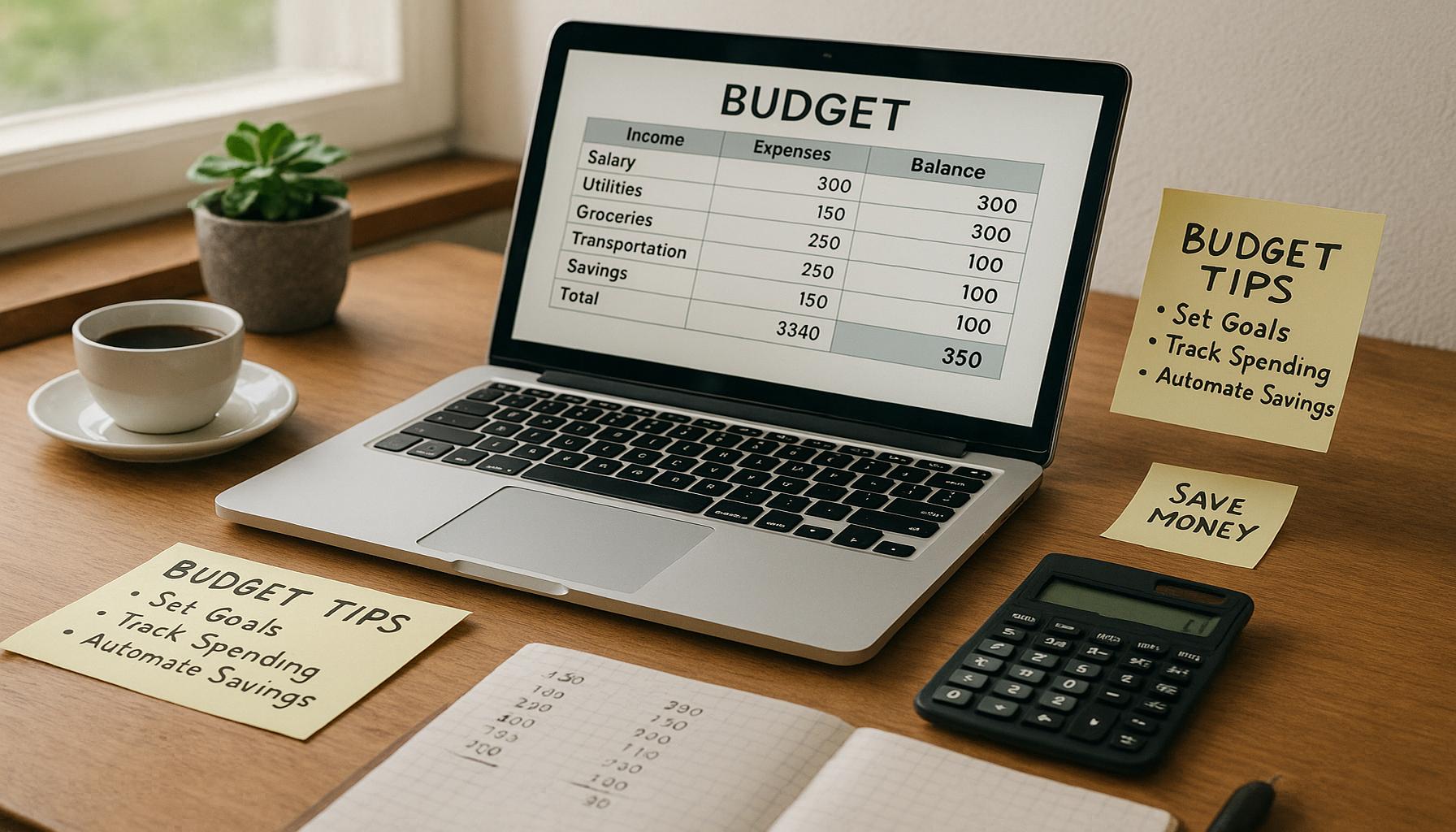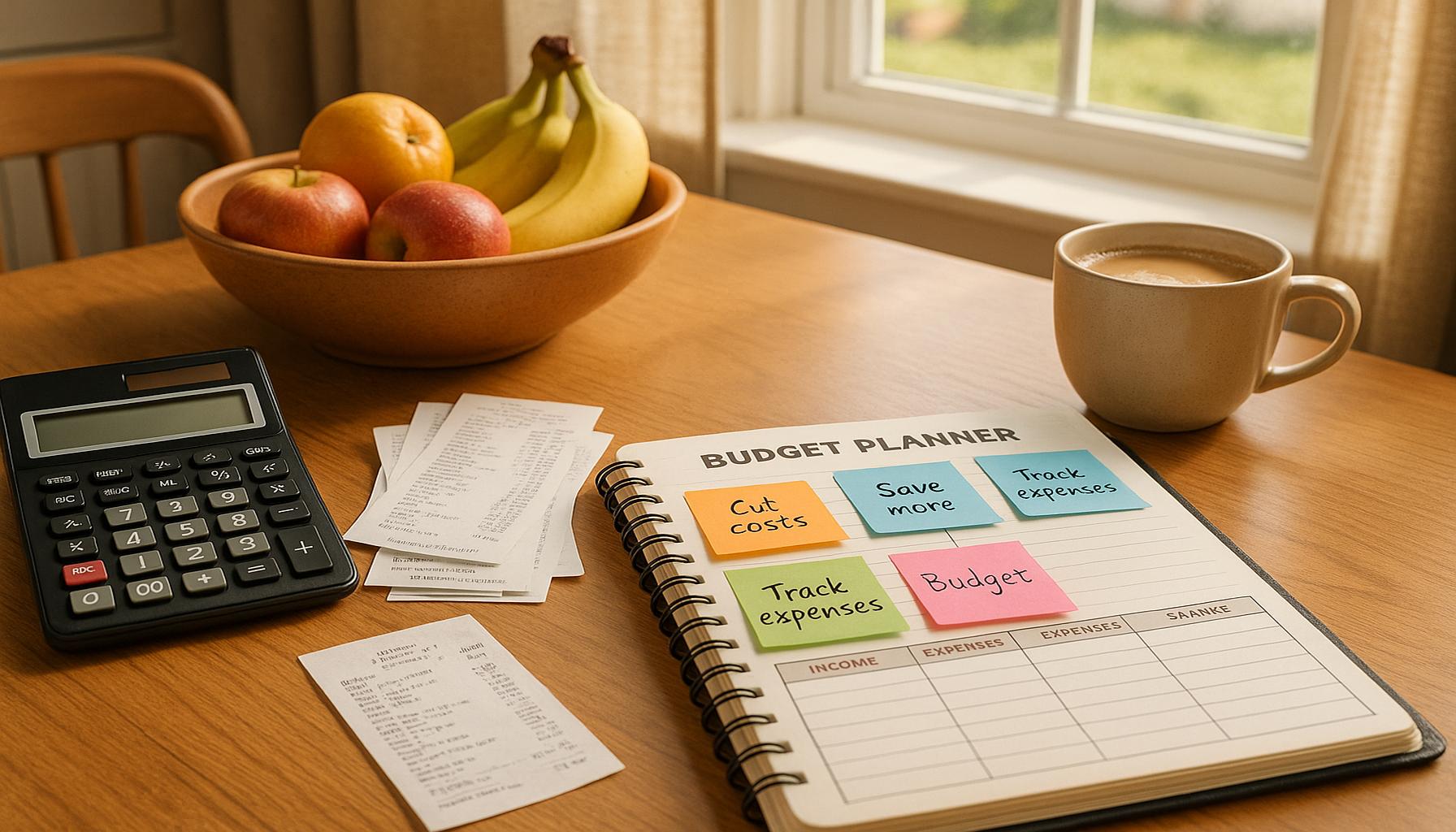
How to Use Personal Finance Apps to Monitor Your Budget
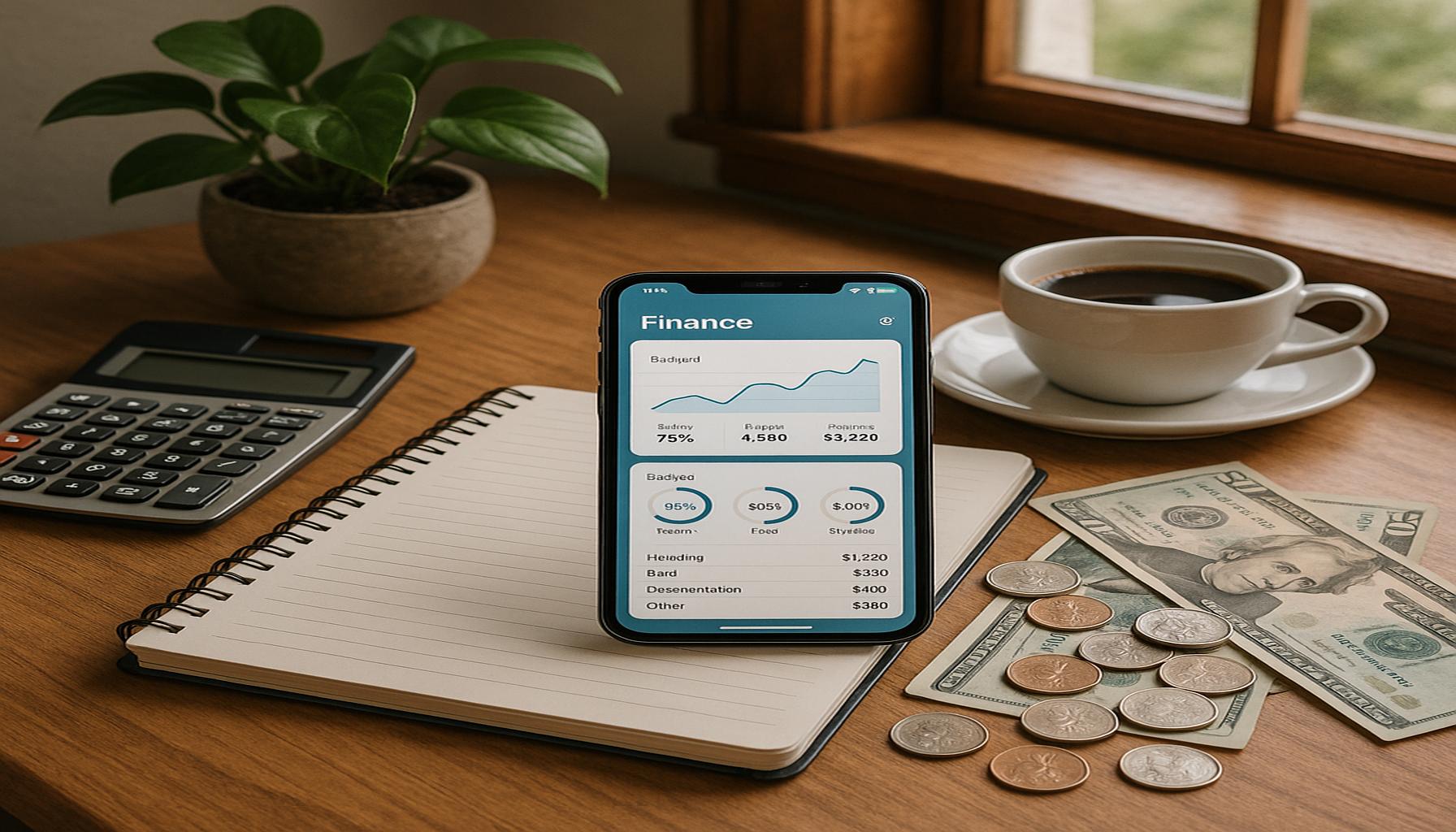
Mastering Financial Management in a Tech-Savvy World
Managing your finances today can sometimes feel like navigating a complex maze. As the costs of living rise and economic uncertainties loom, staying on top of your financial responsibilities is crucial. Thankfully, the digital age has provided innovative solutions to this age-old challenge. Personal finance apps have transformed the way individuals manage their money, making it easier than ever to understand and control their financial situation.
One of the standout features of these finance apps is real-time expense tracking. Gone are the days of scribbling down every purchase in a notebook or fumbling with receipts. With just a few taps on your smartphone, you can instantly log and categorize your purchases. For instance, if you grab a coffee at Tim Hortons or buy groceries at Loblaws, you can quickly log these expenses under “Food” or “Dining.” This feature not only saves time but also provides clear insights into your spending habits.
Another essential aspect is the bills reminder function. Nobody enjoys receiving unexpected bills or incurring late fees due to missed payments. Personal finance apps can send you alerts for upcoming bills, ensuring that you never overlook an important due date. For Canadians, this could mean receiving reminders for hydro bills, credit card payments, or even your monthly internet subscription with providers like Bell or Rogers. By staying on top of your obligations, you can maintain a healthier credit score and avoid unnecessary charges.
Furthermore, tracking your income has never been simpler. Many apps allow you to compile all your income sources, from your salary to freelance gigs, in one unified dashboard. This capability helps create a comprehensive overview of your financial landscape, allowing you to better plan for savings and investments.
The Benefits of Financial Empowerment
Utilizing these powerful features leads to more than just convenience. With a clearer understanding of your finances, you can set practical budget goals. For example, you might decide to limit your monthly dining expenses to $300, leaving more flexibility to save for that exciting summer trip to Banff. The app not only enables you to outline these spending limits but also visually represents your progress, which can be incredibly motivating.
Moreover, personal finance apps help you identify spending patterns. By analyzing your spending habits month by month, you gain insight into where your money is primarily being allocated. Are you spending more than expected on takeout or entertainment? Recognizing these patterns can prompt you to make adjustments, potentially leading to significant savings over time.
Lastly, these apps are invaluable tools for saving for future needs. Whether it’s building an emergency fund or setting aside money for a long-awaited vacation, you can easily set savings goals within the app. For Canadians looking to save for a down payment on a home or for their children’s education, apps can help track progress and keep your objectives in focus.
In conclusion, embracing technology through personal finance apps is not just about convenience; it’s about taking control of your financial future. By leveraging these tools, you can make informed decisions, cultivate healthy spending habits, and ultimately achieve your financial objectives. So why wait? Jump into the digital realm and empower your financial journey today!
DIVE DEEPER: Click here for detailed application tips
Maximizing Your Budget with Personal Finance Apps
In the pursuit of financial stability, personal finance apps can serve as your trusted ally. If you’re tired of guessing where your money goes each month, these digital tools provide a straightforward, visual representation of your financial life. Getting started is simple, and once you unlock their full potential, you’ll wonder how you ever managed without them.
First and foremost, to effectively monitor your budget using a personal finance app, you’ll need to set up your account. This involves linking your bank accounts and credit cards securely to the app. By establishing these connections, the app can automatically import your transactions, saving you the hassle of manual entry. As a Canadian user, you’ll appreciate the integration options available from major financial institutions, making this process seamless.
Next, categorizing your expenses is crucial for gaining insight into your spending habits. Most apps come pre-loaded with standard categories like “Groceries,” “Transportation,” and “Entertainment,” but they also offer the flexibility to create custom categories to fit your unique lifestyle. Whether you prefer to track your spending on home renovation projects or occasional indulgences, ensuring that your categories reflect your financial priorities will allow for targeted analysis. Establishing these categories is a proactive step towards being aware of your financial behavior.
- Groceries: Keep tabs on your monthly spending at local supermarkets like No Frills or Save-On-Foods.
- Utilities: Track expenditures for essential services like electricity and water, ensuring they remain within budget.
- Transportation: Whether it’s gas or public transit, monitor how much you’re spending on getting from one place to another.
- Dining Out: Log your restaurant visits and takeout orders to keep a handle on entertainment expenses.
Once your expenses are categorized, it’s time to set a budget that aligns with your financial goals. Personal finance apps often allow users to define spending limits for each category. Setting realistic thresholds is essential; if you’re an avid diner, placing an impractical limit might only lead to frustration. Instead, analyze historical data within the app and reflect on your past spending to devise an achievable budget. You can gradually adjust your limits based on progress and changing circumstances, providing a flexible approach to budgeting.
Critically, it’s important to routinely review your financial progress. Personal finance apps typically feature a dashboard summing up your monthly, quarterly, or even annual spending in each category. By reviewing this data regularly, you can identify trends—understanding whether your grocery spending is creeping up or if your entertainment budget is consistently being exceeded can affect how you adjust your budget moving forward. Additionally, look for opportunities to reward yourself for sticking to your budget. Small incentives, like treating yourself to a movie night or a new book when you hit savings milestones, can maintain motivation and make financial management more rewarding.
In summary, mastering personal finance apps begins with setting up categories, defining budgets, and consistently reviewing your financial progress. These steps not only lay the groundwork for better spending habits but also empower you to take charge of your financial future. By leveraging these tools intelligently, you can set yourself on a path toward lasting financial health.
DISCOVER MORE: Click here to learn how to apply
Leveraging Features for Enhanced Financial Awareness
In addition to the basic functions of tracking expenses and setting budgets, personal finance apps offer a wealth of features designed to enhance your financial awareness and management. Utilizing these tools effectively can help you make informed decisions that align with your financial goals.
One notable feature is the goal-setting function. Many apps allow you to set short-term and long-term financial goals, such as saving for a vacation, paying off debt, or building an emergency fund. For instance, if you’re looking to save for a winter getaway to Banff, you can determine the total amount needed and set an achievable monthly savings goal. By visualizing your progress through goal completion bars or percentage indicators, you can stay motivated and focused. The satisfaction of seeing your savings grow can provide a much-needed encouragement to maintain your budget discipline.
Another valuable feature to consider is the bill tracking and reminders function. Late payments can lead to unnecessary financial strain due to penalty fees or interest increase on credit cards. With the ability to input recurring bills—such as your cell phone bill from Bell or energy bill from Hydro One—these apps can notify you of upcoming payments, ensuring nothing slips through the cracks. This proactive approach not only helps to maintain a good credit score but also avoids the stress associated with last-minute payments.
Many personal finance apps also incorporate spending analytics tools that provide insights into your financial behavior. With an overview of where you are spending your money, you may identify patterns that could be negatively impacting your budget. For example, if you notice a significant monthly drain on your account from coffee shops, it might be time to reassess those indulgences. Such insights encourage you to reconsider temptations and adjust priorities, leading to smarter spending habits.
To further enhance your budgeting skills, consider utilizing the collaborative features available in some personal finance apps. If you share financial responsibilities with a partner, these tools allow both of you to view and manage joint accounts collectively. Having transparent communication about shared spending can promote accountability and facilitate discussions on financial priorities. This collaborative approach can strengthen your partnership while tackling financial challenges together.
The customizable notifications feature can also play a pivotal role in developing your financial discipline. Many apps allow you to set alerts for spending limits, balance thresholds, or upcoming due dates. Imagine receiving an alert when you’ve reached 75% of your monthly dining out budget; this immediate feedback empowers you to make conscious spending decisions and avoid going overboard.
Finally, some personal finance apps are integrated with educational resources, such as articles and tips on financial literacy. By accessing these tools, you can deepen your understanding of sound financial practices, credit scores, investment strategies, and long-term wealth building. For Canadians, this information could be tailored to reflect regional considerations, such as retirement accounts like RRSPs or tax implications unique to your province.
By exploring these advanced features within personal finance apps, you can elevate your budgeting experience from simple tracking to comprehensive financial management. Make the most out of your chosen app’s capabilities to ensure you remain on a continuous path toward financial growth and responsibility.
DON’T MISS: Click here to learn more about budgeting effectively
Conclusion
In today’s fast-paced world, effectively managing your finances is more crucial than ever, and personal finance apps offer a robust solution for those looking to keep their budgets in check. By adopting these digital tools, you empower yourself to stay on top of your spending habits, identify opportunities for savings, and align your financial actions with your larger goals. Beyond basic tracking, these apps are equipped with features that can transform your financial outlook.
Your budgeting journey can be significantly enhanced through features like goal-setting, which helps you visualize financial milestones, and bill tracking that reduces the risk of late payments. Moreover, the spending analytics tools provide insights into your habits—insights that are crucial for making necessary adjustments to achieve better financial health. If you are managing finances with a partner, the collaborative features promote open communication and shared responsibility, fostering stronger financial conversations.
As you navigate through the functionalities of your chosen app, remember to leverage customizable notifications that serve as gentle reminders to maintain discipline in your spending. Coupling this with access to educational resources available within some platforms creates a comprehensive environment for financial growth. By utilizing personal finance apps not as a mere tracking device but as a dynamic financial companion, you empower yourself to take charge and build a secure financial future.
In conclusion, the way you approach budgeting and personal finance can change dramatically by embracing technology. Make a commitment to regularly engage with your app, adjust your strategies as necessary, and watch as you take significant strides toward financial well-being.

Linda Carter
Linda Carter is a writer and financial expert specializing in personal finance and financial planning. With extensive experience helping individuals achieve financial stability and make informed decisions, Linda shares her knowledge on our platform. Her goal is to empower readers with practical advice and strategies for financial success.