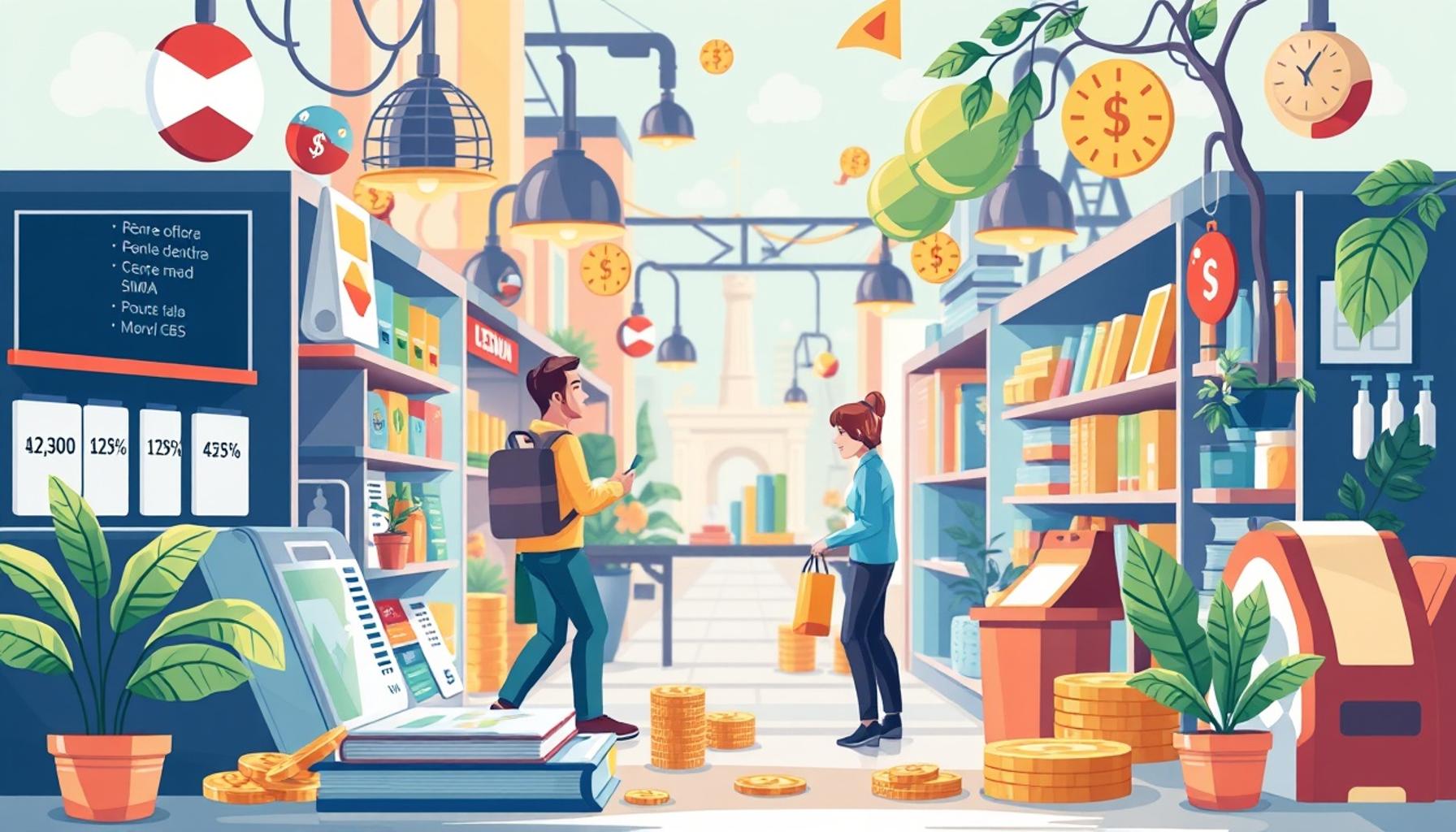
The Influence of Digital Personalization on Consumer Purchase Preferences

Understanding Digital Personalization
In our increasingly interconnected world, businesses are leveraging technology to enhance the shopping experience. This practice, known as digital personalization, is transformative, as it tailors the customer journey to individual preferences and behaviors. Companies are recognizing that consumer expectations are no longer static; they are continually evolving, primarily due to the seamless interactions that consumers have with digital platforms.
Key Elements of Digital Personalization
Digital personalization utilizes a variety of strategies to create a customized shopping experience for each customer. Here are some of the most impactful techniques:
- Personalized recommendations: Algorithms analyze a shopper’s past purchases, browsing habits, and even abandoned carts. For instance, if a consumer often purchases fitness apparel, they may see recommended products like running shoes or workout gear prominently displayed on their homepage.
- Targeted marketing: Advertisements are no longer generic. They are finely tuned to resonate with specific audiences. For example, if a user frequently searches for eco-friendly products, they are more likely to encounter ads for sustainable brands or products on social media platforms, aligning with their interests and values.
- User-friendly interfaces: Websites adjust their layout and content based on user data. An e-commerce site might prominently feature a “Favorites” section or “Recently Viewed” items tailored to individual users, simplifying the navigation process and enhancing overall satisfaction.
The Impact of Personalization on Consumer Behavior
The influence of digital personalization on consumer behavior is profound and multifaceted. Research indicates several crucial effects:
- Unique offers: Consumers are more likely to respond positively to personalized discounts or promotions. For example, a brand might send targeted email offers that reflect a user’s past purchases, increasing the likelihood of engagement and conversion.
- Increased loyalty: When brands invest in customized experiences, they strengthen customer relationships. Shoppers tend to feel recognized and appreciated, leading to repeat purchases and brand loyalty. For instance, loyalty programs that reward users based on their shopping behavior often yield higher retention rates.
- Higher conversion rates: Personalized experiences significantly boost sales. When consumers encounter products and services that directly align with their interests, they are not only more inclined to purchase but often make quicker buying decisions. This level of engagement can lead businesses to enjoy improved overall sales performance.
Conclusion
As we explore the intricacies of digital personalization, it’s clear that these strategies not only enhance customer satisfaction but also drive business success. For consumers, this shift means that they can enjoy a shopping experience that feels tailored to their unique needs and desires. For marketers and businesses, understanding and implementing these personalized approaches is crucial in staying competitive in today’s market. Embracing digital personalization could very well be the key to unlocking new avenues for growth and customer engagement.
DISCOVER MORE: Click here to learn about AI in trend forecasting
The Mechanics Behind Digital Personalization
Understanding the mechanics of digital personalization is essential to grasp its profound effect on consumer purchase preferences. As technology continues to evolve, businesses are harnessing data to tailor shopping experiences in ways that resonate deeply with consumers. To comprehend this influence, it is critical to look at how different digital personalization strategies interact with consumer behavior.
The Role of Data in Personalization
The backbone of digital personalization is data—specifically, customer data that is collected through various channels. Businesses utilize this data in several ways:
- Behavioral Tracking: Companies track online behavior, such as pages visited, time spent on specific items, and interactions with ads. For example, if a user frequently browses travel websites, they might receive personalized travel deals based on their search interests.
- Purchase History Analysis: Past purchases provide invaluable insights into consumer preferences. A customer who regularly buys organic products might receive personalized emails suggesting similar items or exclusive discounts on natural goods, enhancing their shopping experience.
- Demographic Insights: Understanding consumer demographics, including age, location, and gender, allows businesses to tailor their communications and offerings. A local boutique might promote seasonal apparel relevant to the climate in a user’s area, making the advertising more appealing and practical.
Enhanced Customer Segmentation
Customer segmentation has become increasingly sophisticated due to digital personalization. Businesses are moving beyond generic groupings and instead are creating more nuanced segments based on detailed behavioral profiles. This shift enables companies to engage with their customers more effectively:
- Micro-segmentation: Marketers can target small, specific groups of consumers with tailored messaging. For instance, a fitness brand might segment users into groups based on activity levels, ensuring that promotions for casual fitness wear are directed to beginners while high-performance gear is marketed to serious athletes.
- Dynamic User Profiles: These profiles evolve over time as users interact with a brand. An e-commerce platform could adjust its marketing strategies in real-time, showcasing new releases or discounts that align with a user’s latest interests, keeping the shopping experience fresh and engaging.
This level of detailed targeting facilitates a more personalized relationship between consumers and brands, leading to increased satisfaction and preference shifts. When consumers feel that their individual needs are acknowledged and catered to, they are far more likely to engage positively with the brand, which ultimately influences their purchasing decisions.
Conclusion
In essence, digital personalization is reshaping consumer purchase preferences through the utilization of data and enhanced customer segmentation strategies. As we continue to explore this dynamic further, it will be vital to observe how these personalized methods not only improve customer experiences but also drive businesses toward greater effectiveness and conversion rates.
DISCOVER MORE: Click here to dive deeper
Driving Consumer Engagement Through Personalized Experiences
As businesses continue to leverage digital personalization, the influence on consumer purchase preferences becomes more evident. Creating an engaging and personalized experience is crucial for fostering loyalty and encouraging repeat purchases. Let’s explore how personalized experiences impact consumer engagement and loyalty.
Personalized Recommendations
One of the most effective strategies in digital personalization is the implementation of personalized product recommendations. Companies like Amazon and Netflix have perfected this approach by using algorithms that consider user behavior and purchase history to suggest items tailored to individual preferences. For example, a consumer who regularly buys mystery novels is likely to see recommendations for new releases in that genre, enticing them to make a purchase.
The key to these recommendations is their relevance. When customers encounter products that align with their interests, they are far more likely to engage and ultimately complete a purchase. Studies show that personalized recommendations can lead to a 10-15% increase in conversion rates, demonstrating their effectiveness in shaping buying decisions.
Experiential Marketing
Digital personalization extends beyond product suggestions to include experiential marketing strategies tailored to individual preferences. Brands increasingly create interactive and memorable experiences that resonate with their target audience. For instance, a beauty brand may offer a virtual try-on tool that allows users to see how specific makeup shades would look on their skin tone. This kind of tailored experience not only creates a deeper connection with the consumer but also enhances the likelihood of a purchase.
Moreover, experiential marketing can be seen in the way certain retailers host personalized events or workshops. For example, a local kitchenware store might organize a cooking class based on popular cuisines observed in their customer data. By engaging customers directly and providing individualized experiences, brands can boost their loyalty and turn first-time buyers into lifelong customers.
Impact of Social Media Personalization
Social media platforms play an essential role in digital personalization, acting as a bridge between brands and consumers. Businesses utilize user data to deliver personalized content and advertisements effectively. A user who frequently engages with travel-related posts will likely see targeted ads for vacation packages or travel gear in their social media feed.
This targeted approach not only increases engagement rates but also creates a sense of familiarity for the consumer, making them feel understood. According to research, consumers are more inclined to make purchases from brands that align with their interests on social media. This personalized interaction fosters a deeper emotional connection that can significantly influence consumer preferences and drive sales.
Building Trust Through Transparency
While digital personalization has its advantages, it is crucial for businesses to maintain transparency with consumers regarding data usage. Consumers are becoming increasingly aware of data privacy concerns, and a lack of transparency regarding how their information is collected and used can lead to distrust.
Brands can build trust by being upfront about their data practices while emphasizing the benefits of personalization. For instance, a retailer might explain that by analyzing purchase data, it can better curate offers that genuinely interest the shopper. Brands that communicate openly about personalization are more likely to cultivate positive relationships with consumers, ultimately influencing their purchase preferences.
Hence, the interplay of personalized experiences, relevant recommendations, and transparent practices significantly shapes consumer engagement and can lead to higher purchase rates. By understanding these dynamics, brands can better position themselves to cater to evolving consumer preferences in a competitive marketplace.
DISCOVER MORE: Click here to learn about the future of wearables</p
Conclusion
In summary, the impact of digital personalization on consumer purchase preferences is profound and multifaceted. As we have explored, tailored experiences such as personalized recommendations, experiential marketing, and the strategic use of social media not only enhance consumer engagement but also foster loyalty. By providing relevant product suggestions, brands can effectively lead consumers to make informed buying decisions, directly influencing conversion rates.
Moreover, creating memorable experiences that resonate with individual preferences allows businesses to build stronger emotional connections with their customers. For instance, interactive tools or personalized events can transform a simple transaction into a meaningful experience, encouraging repeat purchases and brand loyalty.
However, as personalization becomes ever more prevalent, brands must prioritize transparency regarding data usage. With growing concerns over data privacy, consumers appreciate businesses that are open about how their data is collected and used. By establishing trust through clear communication, brands can enhance consumer relationships and ensure that personalization efforts are welcomed rather than viewed with skepticism.
Ultimately, the successful application of digital personalization strategies can lead to significant competitive advantages in today’s marketplace. Companies that adapt to these evolving consumer preferences stand to gain a loyal customer base, ultimately driving sales and ensuring long-term success. As the digital landscape continues to evolve, businesses must embrace these personalized approaches to stay relevant and meet the ever-changing demands of their consumers.

Linda Carter
Linda Carter is a writer and expert known for producing clear, engaging, and easy-to-understand content. With solid experience guiding people in achieving their goals, she shares valuable insights and practical guidance. Her mission is to support readers in making informed choices and achieving significant progress.